English
한국어
English
Español
中文
हिंदी
Home
News
Community
Dictionary
English
한국어
English
Español
中文
हिंदी
View list
Borage
Borago officinalis
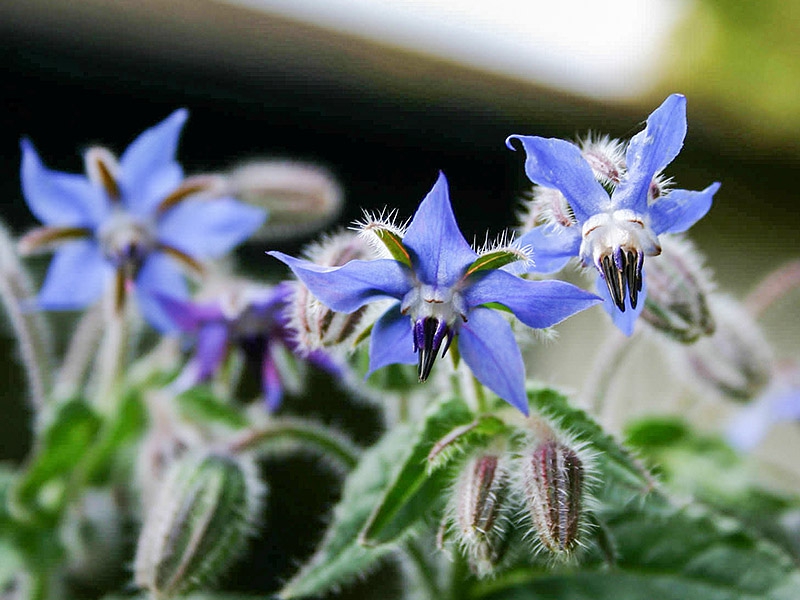
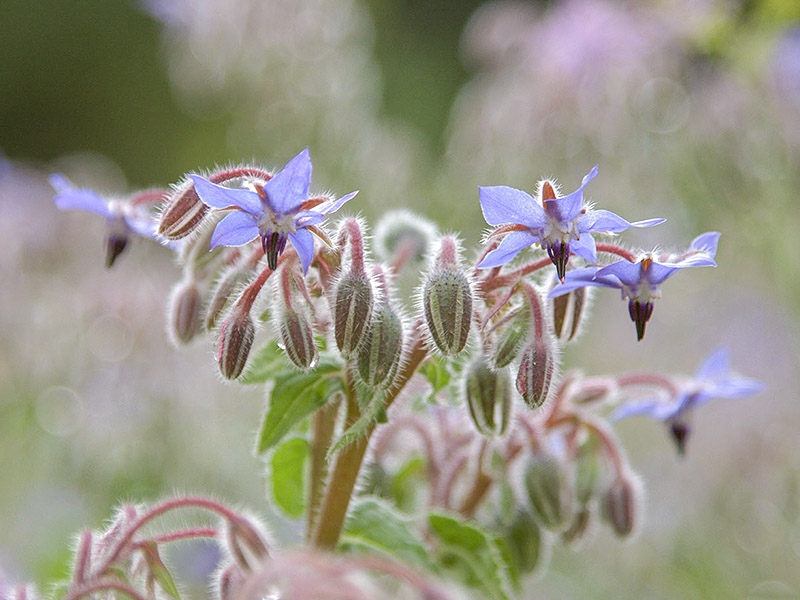
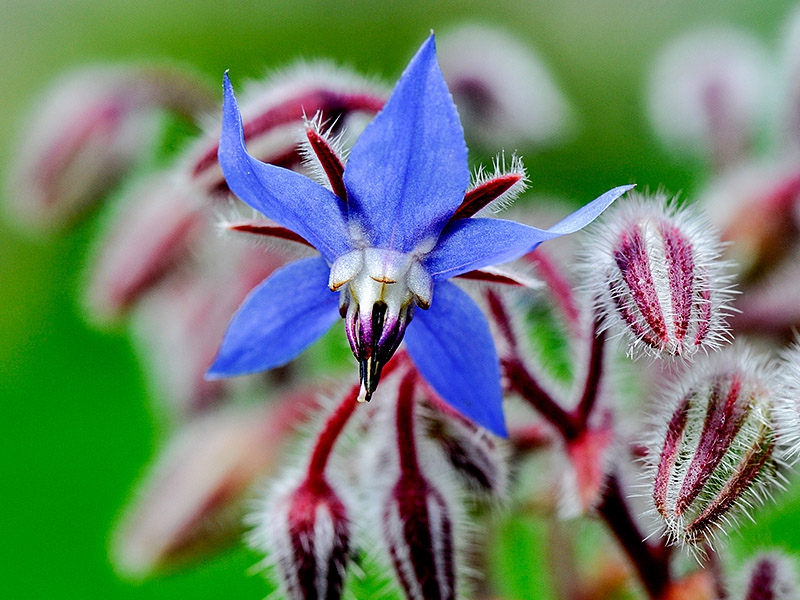
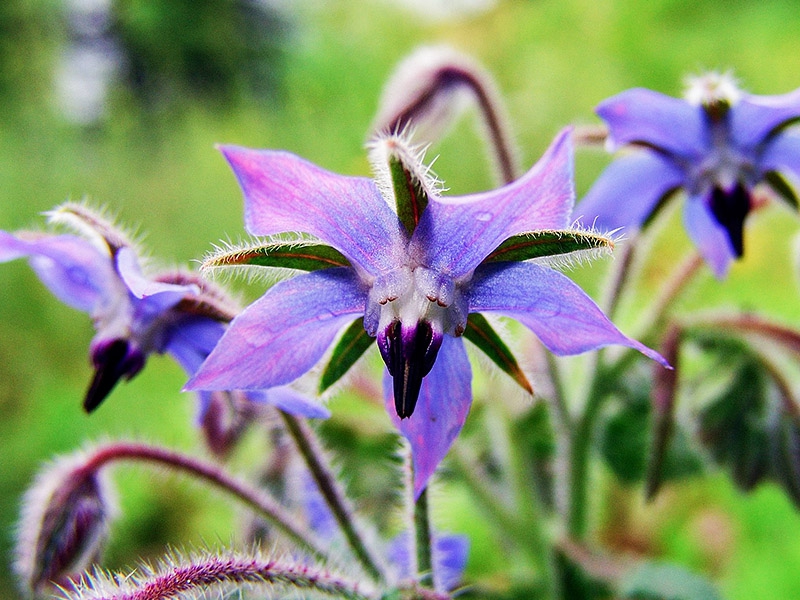
Borage officinalis is characterized by the following growth characteristics, propagation methods, cultivation methods, garden uses, and information on major pests and diseases and control methods. Growth Characteristics Borage generally grows as an annual plant, reaching a height of approximately 60 to 100 cm. The leaves are oval-shaped and rough, and the stems are covered in many stiff hairs, giving them a rough texture. It produces blue, star-shaped flowers with a slightly sweet fragrance. Propagation Methods Borage is primarily propagated by seeds. Seeds can be sown directly in the open ground in the spring or grown indoors and then transplanted. It self-sows well, so once planted, it often reproduces on its own without requiring special care. Cultivation Methods Borage thrives in sunny locations and prefers well-drained soil. A neutral to slightly acidic soil pH is suitable. While special fertilizers are not required, a small amount of compost can be added when transplanting to promote growth. Avoid watering too frequently; water only when the soil is dry. Uses in the GardenBorage is excellent as an ornamental plant in itself, and its blue flowers add a refreshing touch to the garden. The flowers are edible and can be used to decorate salads or beverages. Additionally, it contributes to the garden ecosystem by attracting insects such as bees and butterflies. Important Pests and Control Methods Borage is relatively resistant to pests and diseases, but it can be susceptible to damage from powdery mildew or aphids if the environment is too humid. To prevent this, it is important to maintain a well-ventilated environment and control plant density to avoid excessive moisture. If pests or diseases occur, manage them using appropriate eco-friendly pesticides. For example, spraying diluted soapy water is one method to control aphids.
Plant Type
Plant Family
Dental clinic
Height
40∼100cm
Spread
Colors
blue, purple
Bloom Period
July~August
Water Needs
commonly
Exposure
Sunny
Freezing Resistance
-5°C
Buffon Distica
Boophane disticha
Boronia heterophylla