English
한국어
English
Español
中文
हिंदी
Home
News
Community
Dictionary
English
한국어
English
Español
中文
हिंदी
View list
turnip
Brassica rapa
subsp.
rapa
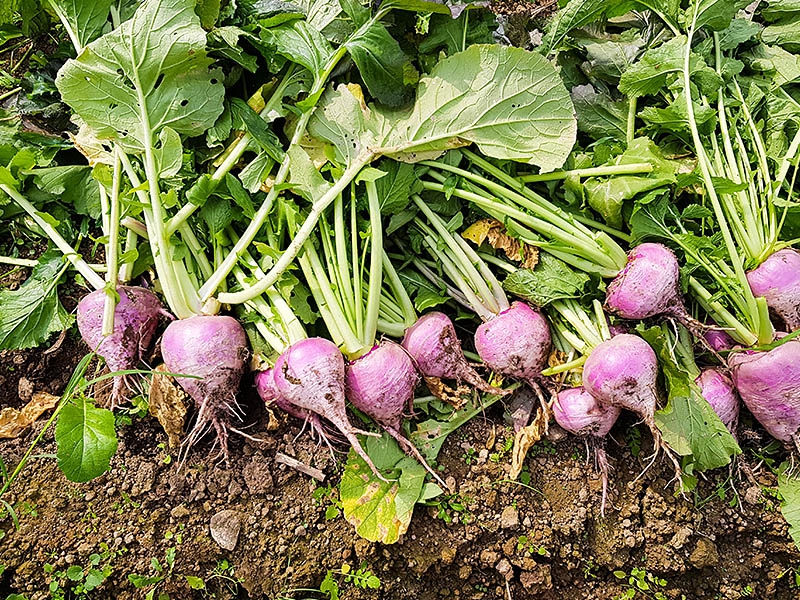
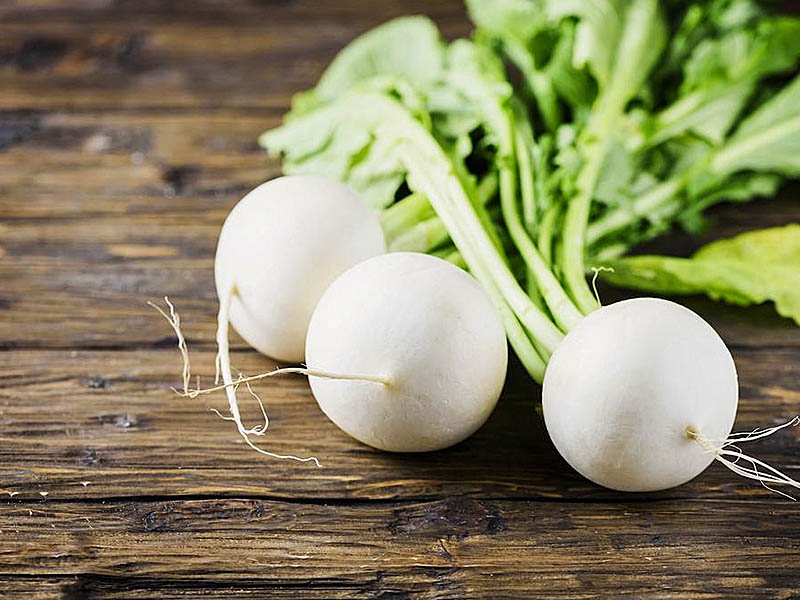
The turnip (Brassica rapa subsp. rapa) is a plant belonging to the Brassicaceae family, and its roots and leaves are edible. The following is information regarding the growth characteristics, propagation methods, cultivation methods, garden uses, and major pests and diseases, as well as control methods. Growth Characteristics - Growing Environment: Turnips prefer a cool climate, with temperatures of 10–20°C being suitable. They thrive in sunny locations and require well-drained soil. - Roots: Propagation rhizomes come in various shapes and sizes, generally measuring about 5–10 cm in diameter. - Leaves: The leaves are green, soft, and slightly hairy. Propagation Methods - Seeds: Turnips are propagated by seeds. Sow seeds to a depth of about 1–2 cm and lightly cover with soil. - Germination: The optimal germination temperature is 15–20°C, and germination usually takes 7–10 days. Cultivation Method - Sowing Time: Generally, sow in spring and autumn. - Spacing: Space seeds about 10–15 cm apart, and a spacing of about 30 cm between rows is appropriate. - Watering: Water regularly to prevent the soil from drying out. Avoid overwatering. - Fertilizer: It is recommended to use organic fertilizer as a base fertilizer. Apply additional nitrogen fertilizer during the growing season as needed. Garden Uses - Edible: Both the roots and leaves are edible and can be used in various ways, such as in salads, soups, and stews. - Ornamental: Due to its lush foliage, it can also be used as a decorative plant in the garden. Important Pests and Diseases & Control Methods - Diseases: Damping-off and gray mold may occur. Remove diseased plants immediately and maintain appropriate spacing preventively. - Pests: Cabbage white butterflies and tumbleweed can cause problems. Upon early detection, remove butterfly larvae by hand or use non-toxic insecticides. - Control Methods: To prevent diseases and pests, maintain an appropriate drainage system and frequently plant rotational crops to reduce the occurrence of pathogens and pests. Turnip is a beneficial crop that is relatively easy to cultivate and highly nutritious, making it versatile for use on the dinner table.
Plant Type
Plant Family
Cruciferae
Height
30~150cm
Spread
Colors
yellow
Bloom Period
March to May
Water Needs
commonly
Exposure
Sunny
Freezing Resistance
-10°C
Chinese choy (Lapa subsp. chinensis)
Brassica rapa subsp. chinensis
napa cabbage
Brassica rapa subsp. pekinensis