English
한국어
English
Español
中文
हिंदी
Home
News
Community
Dictionary
English
한국어
English
Español
中文
हिंदी
View list
cabbage
Brassica oleracea
var.
capitata
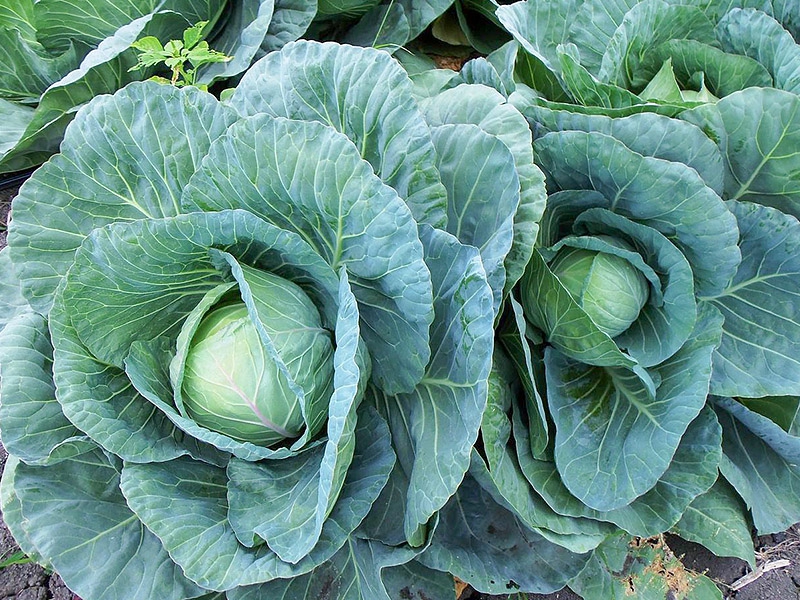
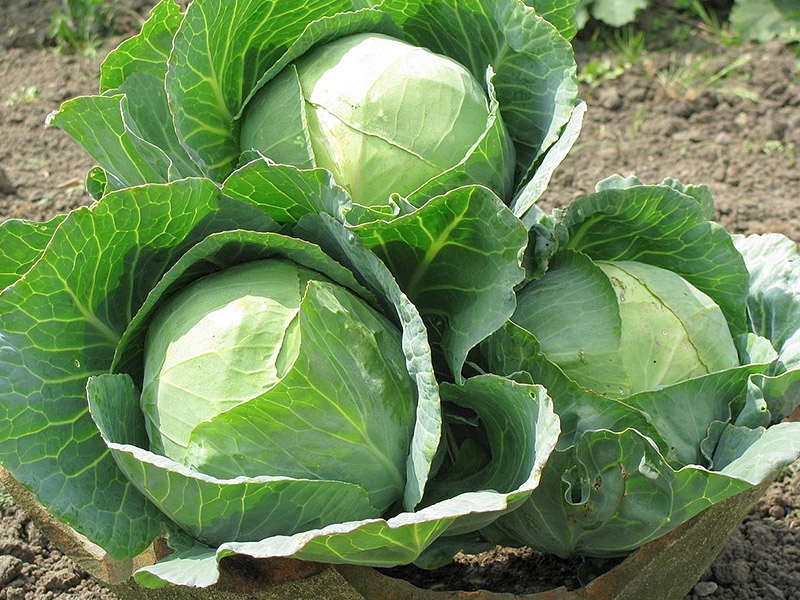
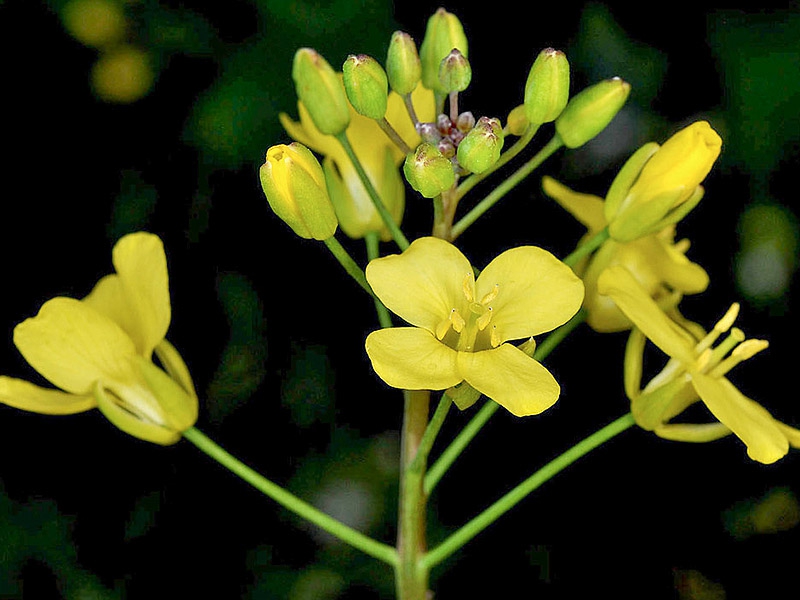
Cabbage (Brassica oleracea var. capitata) is a plant belonging to the Cruciferae family, characterized by the formation of round, spherical buds. The following describes the growth characteristics, propagation methods, cultivation methods, garden uses, major pests and diseases, and control methods of cabbage. Growth Characteristics - Growing Environment: Cabbage prefers a temperate climate, with an optimal growing temperature of 15–20°C. It thrives in fertile soil with good drainage. - Sunlight: While more sunlight is better, it grows properly in areas with a certain amount of shade rather than excessive direct sunlight. - Water Management: Cabbage likes the soil to remain slightly moist at all times. However, excessive moisture can cause damage. Propagation Methods - Seed Propagation: It is primarily propagated by seeds, and it is best to sow them in spring or autumn. It is appropriate to plant seeds at a depth of about 0.5 cm. - Germination Period: Germination usually takes 5 to 10 days. Cultivation Method - Soil Preparation: Select fertile, well-drained soil and mix in plenty of compost or organic matter before planting. - Planting: Plant with a row spacing of 40–50 cm and a plant spacing of 30–40 cm. - Care: Regular watering and weed removal are required during the growing season. Additional fertilizer may be applied during cultivation as needed. Uses in the Garden - Cabbage is suitable for planting in vegetable gardens or vegetable patches, and can be planted alongside other vegetables to create a diverse garden. It is also suitable for ornamental purposes, and planting it with cabbages of different colors can enhance the visual effect. Important Pests and Diseases & Control Methods - Diseases: Sclerotinia rot and black spot are common. Remove diseased parts immediately and use fungicides if necessary. - Pests: Cabbage white butterfly larvae and aphids are common; therefore, be sure to remove them upon early detection or use eco-friendly insecticides. - Prevention: Periodically inspect the condition of the plants and remove fallen leaves or debris from the ground to minimize the occurrence of pests and diseases. Consistent care and inspection are necessary to grow healthy cabbage. Responding promptly when problems arise allows you to maintain the plants more efficiently.
Plant Type
Plant Family
Cruciferae
Height
60cm
Spread
Colors
yellow
Bloom Period
May~June
Water Needs
commonly
Exposure
Sunny
Freezing Resistance
-10°C
gat
Brassica juncea
Cauliflower Oleracea var. Archephala
Brassica oleracea var. acephala