English
한국어
English
Español
中文
हिंदी
Home
News
Community
Dictionary
English
한국어
English
Español
中文
हिंदी
View list
Browncia Apiculata
Braunsia apiculata
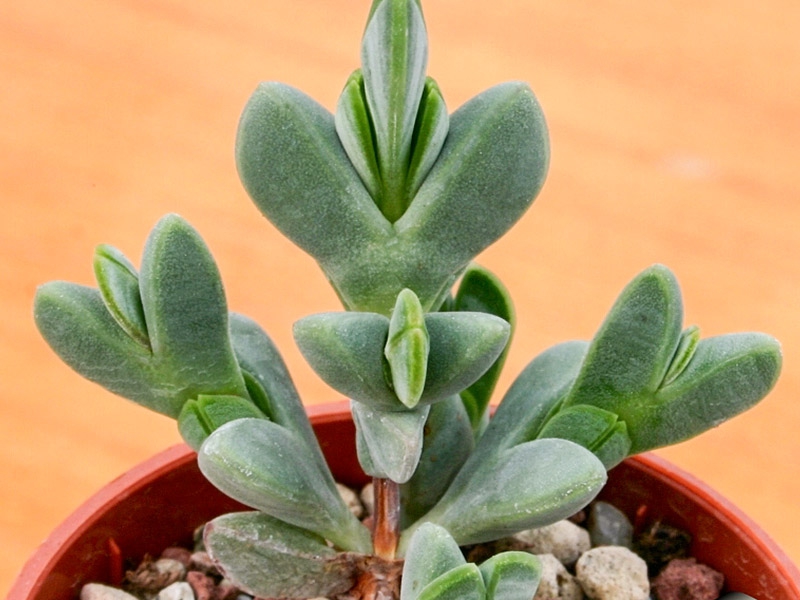
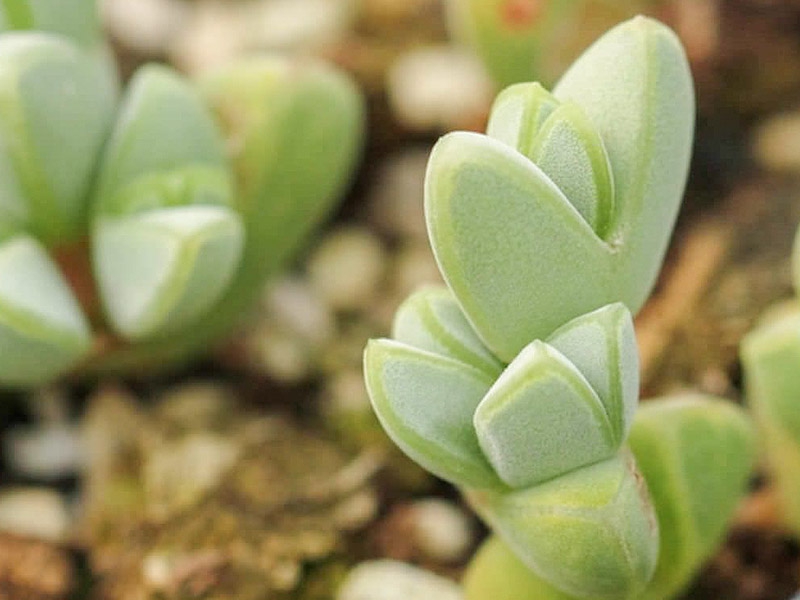
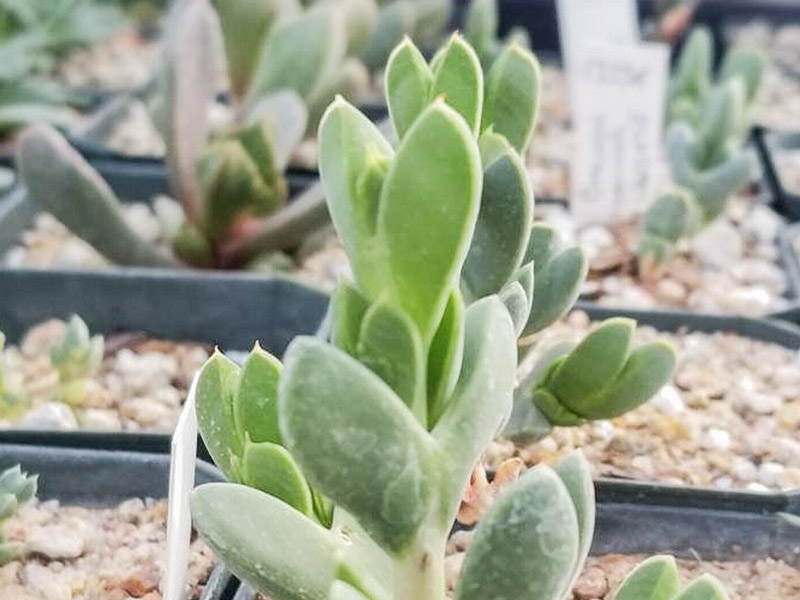
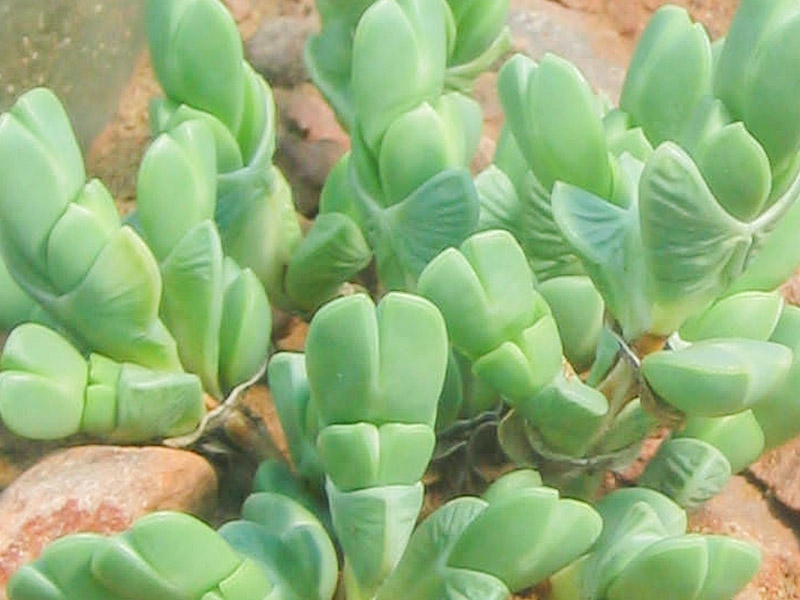
Braunsia apiculata is a succulent plant primarily found in South Africa. General information about this plant can be summarized as follows: - Growth Characteristics: - Environment: It prefers warm, sunny locations. It grows well in dry environments and requires well-draining soil. - Growth Habits: It is a relatively small succulent with fleshy leaves. It tends to grow in colonies. - Propagation Methods: - Seeds: Propagation is possible via seeds, but germination takes time. - Cuttings: It can be propagated by cutting off leaves or stems, drying them, and planting them in well-draining soil such as sand. - Cultivation Methods: - Watering: Avoid overwatering; it is best to water only after the soil has completely dried. - Soil: Use potting mix specifically designed for succulents or well-draining soil. - Temperature: It prefers a warm climate, except during cool winters. It is recommended to bring it indoors during the winter. - Use in the Garden: - It can be planted in pots or between stones in the garden to add a focal point. It is relatively easy to care for and is popular as a decorative plant due to its unique appearance. - Important Pests and Control Methods: - Diseases: Root rot can occur due to excessive moisture, so you must pay attention to drainage. - Pests: Pests such as spider mites or scale insects may occur. To prevent this, inspect the plant regularly, and if pests are found, you can use eco-friendly insecticides for control. Browncia apiculata is an easy-to-care-for plant that is excellent for adding a unique look to gardens or indoors. It can grow healthily if properly cared for in the right environment.
Plant Type
Plant Family
Pomegranate family
Height
5~10cm
Spread
Colors
pink
Bloom Period
March to April
Water Needs
Bad
Exposure
Sunny
Freezing Resistance
-10°C
Mustard Hirta
Brassica hirta
Purple-flowered Glabella ssp. Purpurascens
Braya glabella ssp. Purpurascens