English
한국어
English
Español
中文
हिंदी
Home
News
Community
Dictionary
English
한국어
English
Español
中文
हिंदी
View list
tail bird
Bromus remotiflorus
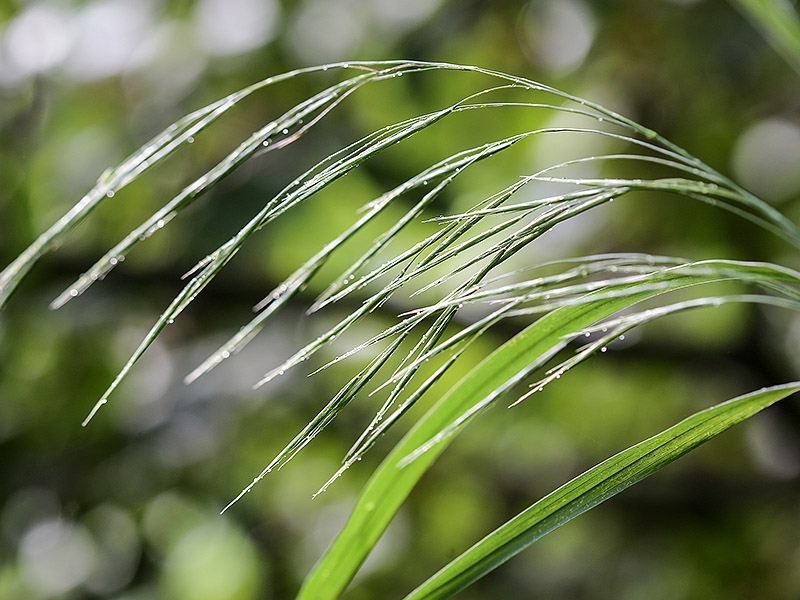
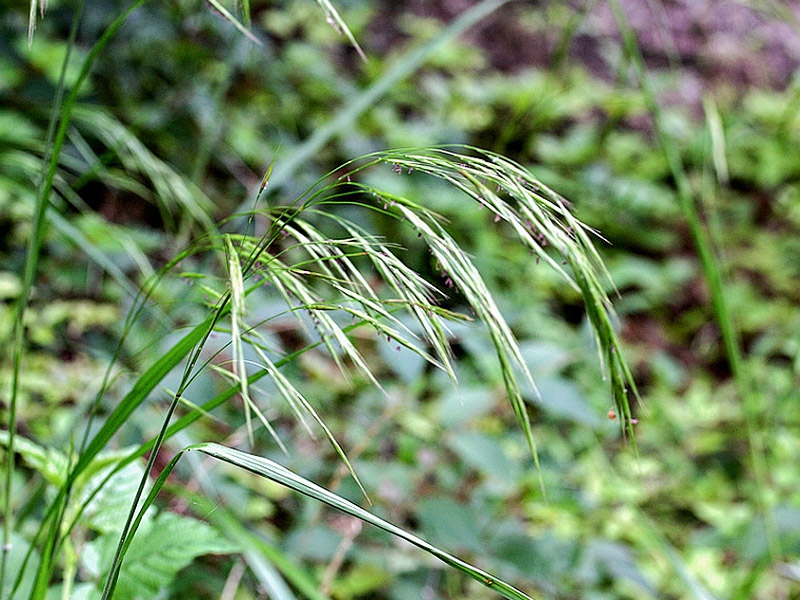
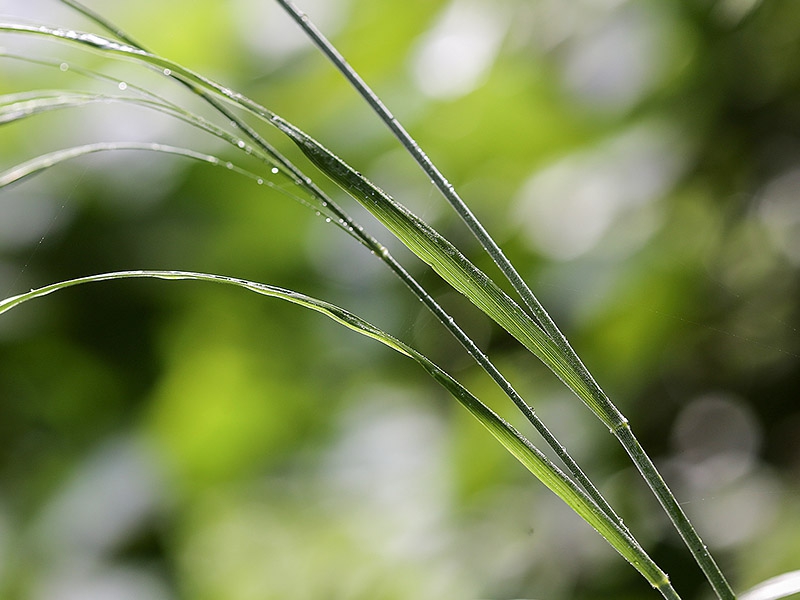
The following information can be provided regarding Bromus remotiflorus: Growth Characteristics Bromus remotiflorus is a grass that thrives primarily in temperate climates and prefers sunny conditions. It grows well in well-drained soil and is relatively tolerant of dry environments. The stems grow long and slender, and the leaves are long and narrow. Propagation Methods This plant is primarily propagated by seeds. It is suitable for sowing in spring or early autumn, and maintaining appropriate temperature and moisture is important to increase germination rates. Root propagation is also possible. It can be propagated by root division, which is mainly done in spring or autumn. Cultivation Methods - Soil Preparation: Select well-drained soil. If necessary, sand or gravel can be mixed in to improve drainage. - Watering: Avoid overwatering; it is best to water when the soil is dry. - Fertilizer: Generally, it does not require much fertilizer, but it is recommended to use a small amount of slow-release fertilizer during the growing season. Use in Gardens Lemon Remotiflorus is a plant excellent for creating a natural atmosphere and is widely used in wildflower gardens and ecological parks. When grown in clusters, it sways beautifully in the wind, and it can also be combined with various other grasses. Important Pests and Control Methods - Diseases: Root rot can occur primarily due to excessive moisture. Proper drainage management is crucial. - Pests: Leaf-eating insects may occur; organic insecticides can be used if necessary. - Control Methods: To prevent infestations, it is important to ensure proper watering and ventilation. If pests or diseases occur, it is recommended to remove affected parts or use appropriate pesticides. By following these steps, you can cultivate and manage Lemon Remotiflorus healthily.
Plant Type
Plant Family
Poaceae
Height
50~150cm
Spread
Colors
green
Bloom Period
June~July
Water Needs
commonly
Exposure
semi-shaded area
Freezing Resistance
-15°C
long-horned oat
Bromus rigidus
Bald sparrow oats
Bromus racemosus