English
한국어
English
Español
中文
हिंदी
Home
News
Community
Dictionary
English
한국어
English
Español
中文
हिंदी
View list
Bride's fern
Macrothelypteris torresiana
var.
calvata
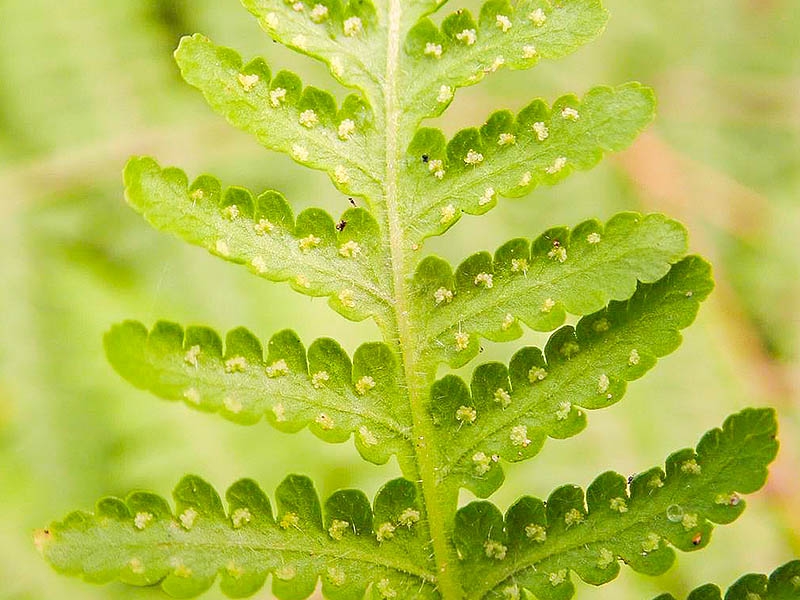
Thelypteris torresiana var. calvata is a type of fern that thrives in shady environments. This plant prefers moist soil, and maintaining adequate moisture is important. - Growth Characteristics: This plant grows well in partial shade, and ideal soil conditions require good drainage while maintaining slight moisture. Its natural habitat is primarily forests or areas around wetlands. - Propagation Method: Thelypteris torresiana reproduces by spores. After harvesting mature spores, sow them on a moist growing medium to germinate. It is important to maintain constant humidity until the spores germinate and the plants develop. - Cultivation Method: Since Thelypteris torresiana prefers shady and humid environments, plant it in a location that meets these conditions. Select well-draining soil and improve soil quality by mixing in organic matter as needed. 4. Use in Gardens: In gardens, it is used to decorate shady areas. It thrives particularly well in shaded spots under trees or on the north side of buildings and blends harmoniously with other shade plants. It can be utilized when you wish to add a natural touch to your garden. - Major Pests and Control Methods: While generally resistant to pests, fungal diseases can occur due to excessive moisture or lack of ventilation. To prevent this, ensure regular ventilation and maintain proper drainage. If mold develops, it can be controlled using fungicides. Additionally, since aphids and scale insects may appear, periodic inspections are necessary to detect and control them early. Natural pesticides can be used, or chemical pesticides can be applied if necessary.
Plant Type
Plant Family
Polypodiaceae
Height
30∼80cm
Spread
20∼50cm
Colors
sporophyte
Bloom Period
June to September (spore period)
Water Needs
commonly
Exposure
semi-shaded area
Freezing Resistance
-10°C
rare fern
Thelypteris laxa
large maiden fern
Thelypteris quelpaertensis