English
한국어
English
Español
中文
हिंदी
Home
News
Community
Dictionary
English
한국어
English
Español
中文
हिंदी
View list
Aquarium water lily
Cabomba caroliniana
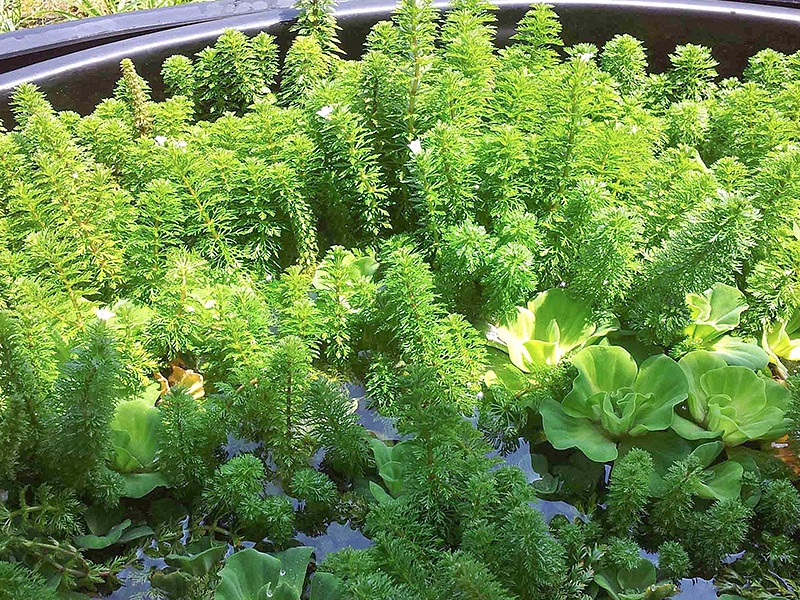
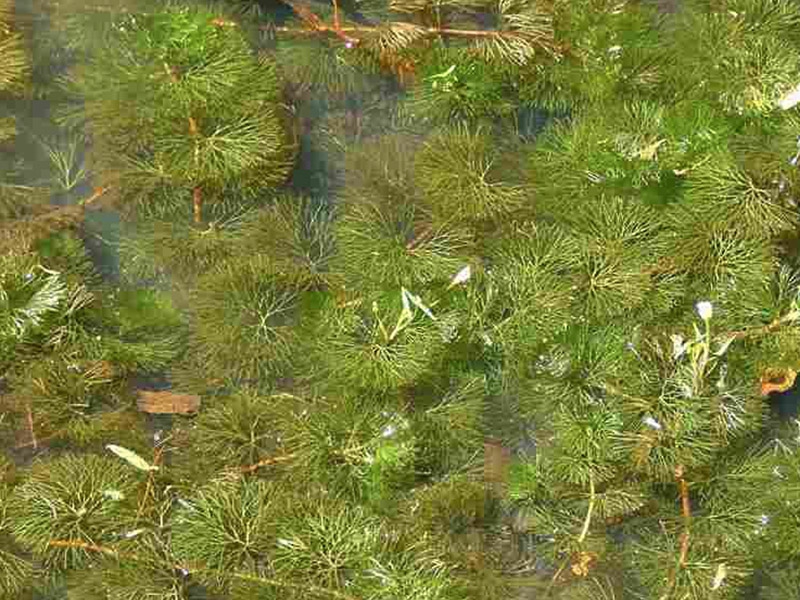
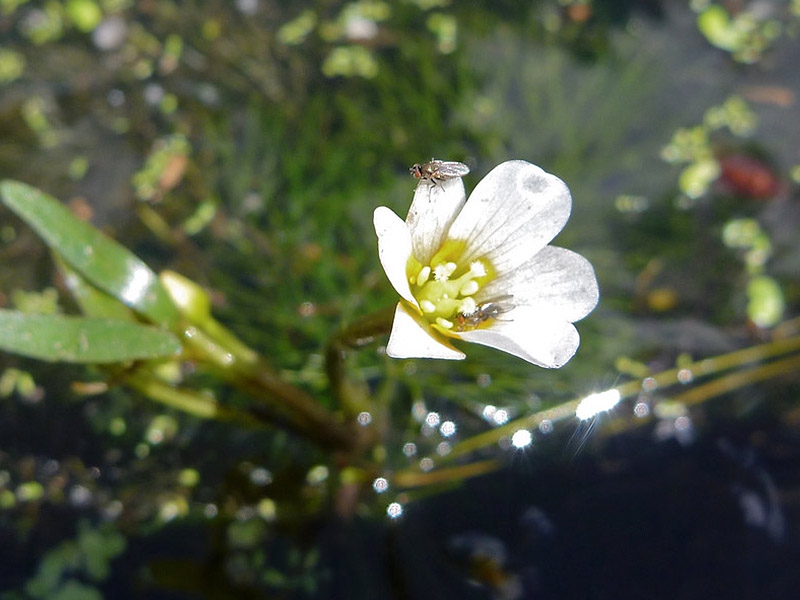
Cabomba caroliniana is an aquatic plant that grows primarily in freshwater. It is characterized by its delicate, linear leaves and flowers that emerge above the water surface. Growth Characteristics: Cabomba caroliniana prefers relatively mild water temperatures and thrives in water with a pH range of 6.5 to 7.5. While it prefers bright light, it can survive in some shade. It grows healthier when supplied with CO2 and flourishes in nutrient-rich environments. Propagation Methods: Cabomba caroliniana is primarily propagated vegetatively. Cuttings can easily grow into new plants when planted. Since it propagates rapidly in suitable conditions, regular care is required to regulate the propagation process. Cultivation Methods: When cultivating Cabomba caroliniana, provide bright light and use nutrient-rich water. Supplying CO2 helps the plant's health and growth. Cuttings and transplanting them to a new location can also aid in propagation. In addition, it is advisable to ensure that the water flow is not too strong. Uses in the Garden: It can be used as a beautiful aquatic plant in garden ponds or aquatic gardens. Its fine leaves and flowers add visual appeal. When placed alongside other aquatic plants, it can create a more natural and beautiful landscape. Important Pests and Control Methods: While Aquarium Waterweed (Calicolinea var. carolienia) is relatively resistant to pests and diseases, algae growth may occasionally occur. To prevent algae growth, it is important to regulate the amount of light and nutrient supply. Algae removers can be used if necessary. Maintaining water quality and balance is the most effective control method.
Plant Type
Plant Family
Crucian carp family
Height
30~180cm
Spread
Colors
White, pink, purple
Bloom Period
April to August
Water Needs
well
Exposure
Sunny
Freezing Resistance
-5°C
Cattleya aurantiaca
Cattleya aurantiaca
Minbakjinamul
Parasenecio hastata subsp. orientalis