English
한국어
English
Español
中文
हिंदी
Home
News
Community
Dictionary
English
한국어
English
Español
中文
हिंदी
View list
Bat-winged plant
Parasenecio auriculata
var.
matsumurana
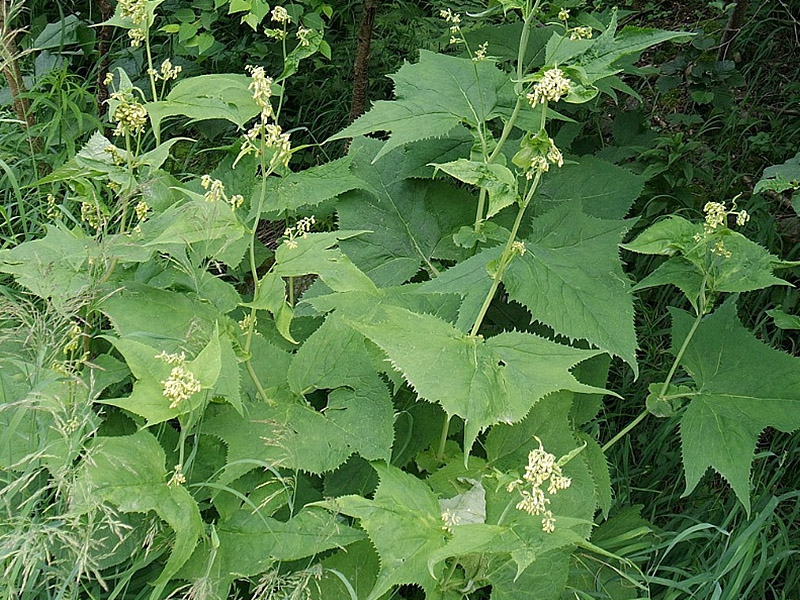
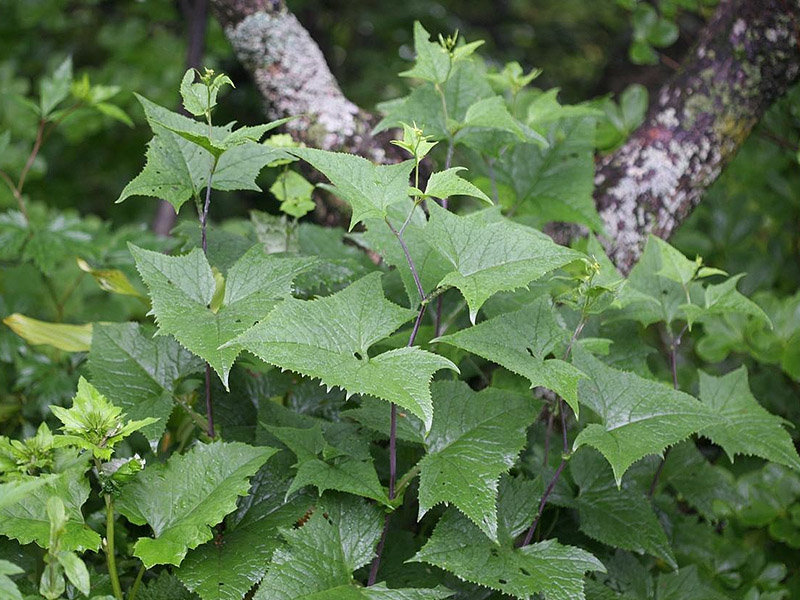
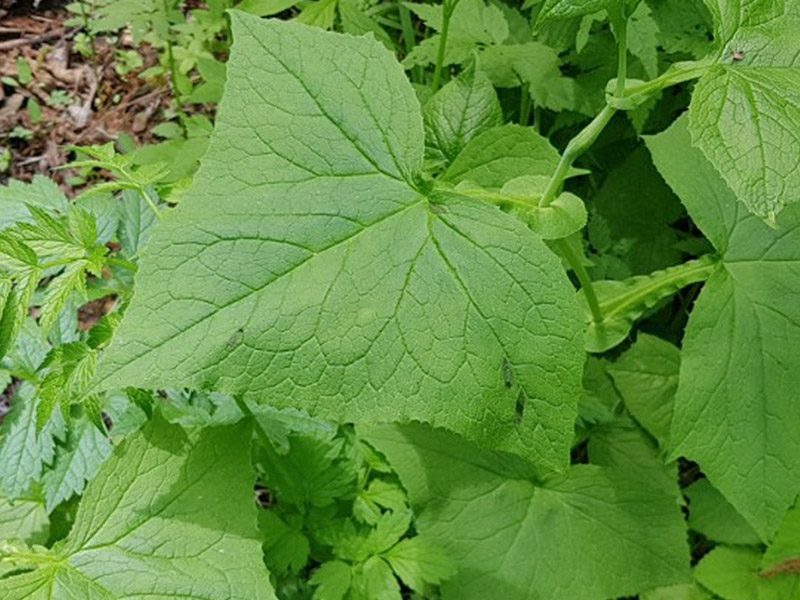
Cacalia auriculata var. matsumurana is a unique and attractive tree that is valuable as an ornamental plant in the garden. The following is a guide to this plant's main growth characteristics, propagation methods, cultivation methods, garden uses, and major pests and diseases and control methods. - Growth Characteristics - It grows to a height of approximately 30–60 cm. - It prefers sunlight but grows well in partial shade. - It blooms with white or light purple flowers in the summer. - It prefers relatively well-drained soil. - Propagation Methods - Seed propagation: It can be propagated by sowing seeds in the spring. It may take about 2–4 weeks for germination. - Division: It can also be propagated by dividing the roots in the spring or autumn. - Cultivation Methods - Plant in well-drained soil and water regularly. - Since growth is slow, use fertilizer in moderation. It is recommended to apply slow-release fertilizer once in the spring. - Since flowers may bloom less in too much shade, ensure it receives moderate sunlight. - Use in the Garden - It is highly suitable for ornamental purposes and is ideal for perennial flowerbeds. - It can create a beautiful landscape by harmonizing with other plants. - Major Pests and Diseases and Control Methods - Common pests include aphids, snails, and slugs. - Aphids can be controlled by spraying soapy water, while snails and slugs can be physically removed or captured using bait. - Avoid overwatering to prevent root rot, and if disease occurs, it is recommended to cut off the affected parts. Based on this information, we hope you can successfully cultivate and manage Auricularata var. Matsumurana.
Plant Type
Plant Family
Asteraceae
Height
1~2m
Spread
Colors
amethyst
Bloom Period
July to September
Water Needs
commonly
Exposure
semi-shaded area
Freezing Resistance
-10°C
Folding screen wrap
Parasenecio firmus
Ear-spotted mantis
Parasenecio auriculatus