English
한국어
English
Español
中文
हिंदी
Home
News
Community
Dictionary
English
한국어
English
Español
中文
हिंदी
View list
Fern noveborachensis
Thelypteris noveboracensis
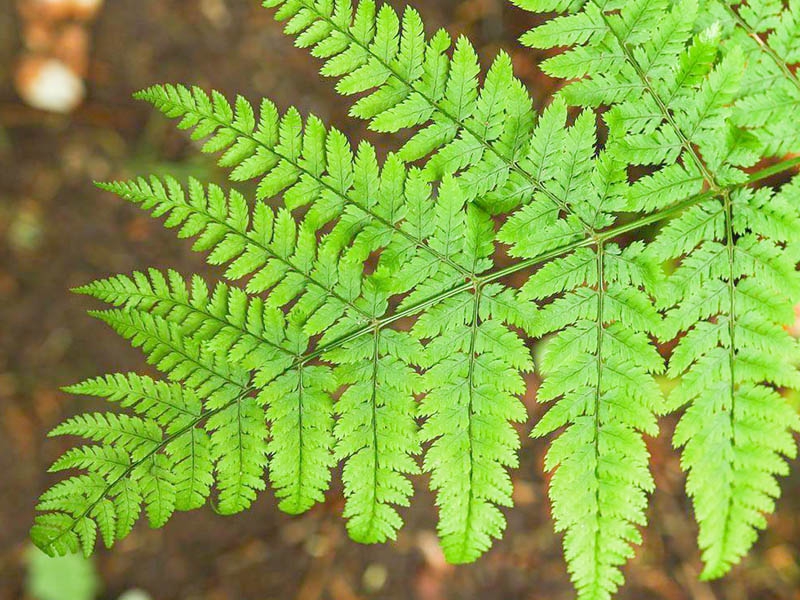
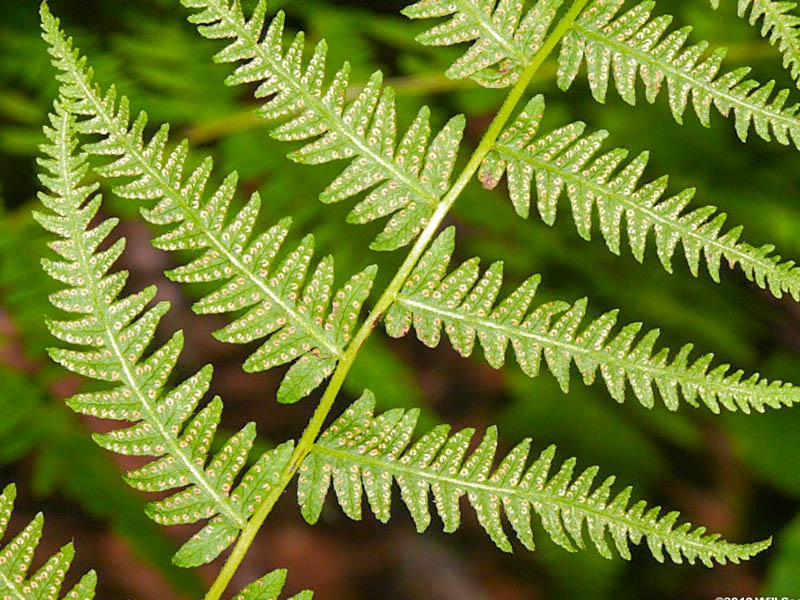
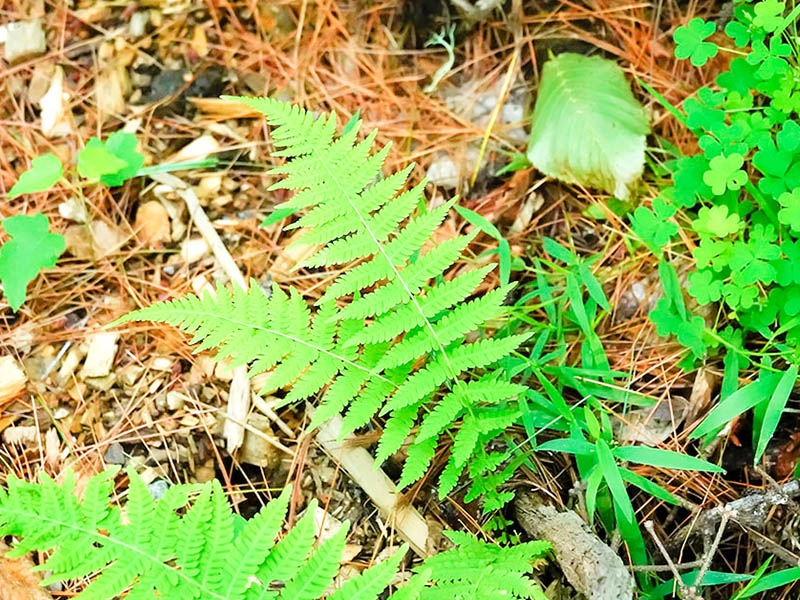
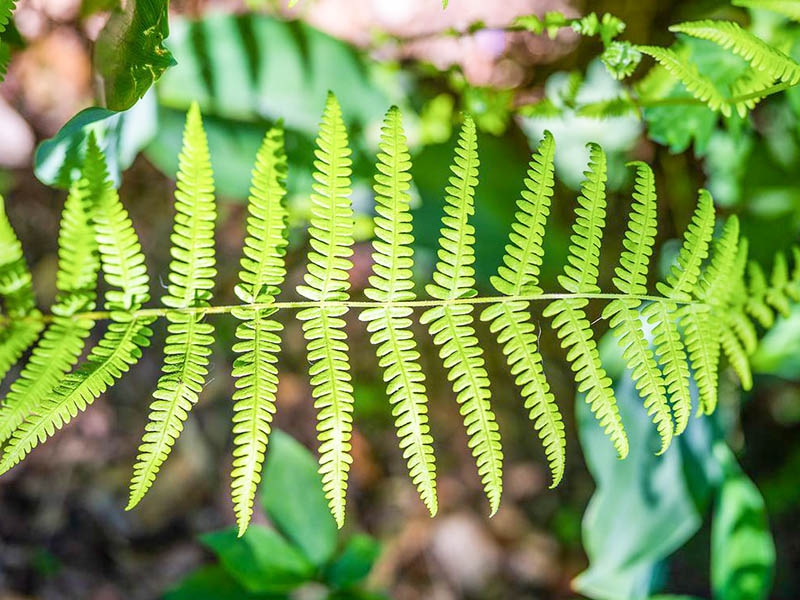
Growth Characteristics of Thelypteris noveboracensis Thelypteris noveboracensis is a perennial fern native to North America. It thrives in moist, humus-rich soil found in forests and grows healthiest in partial shade. This plant generally grows to a height of about 30–60 cm and features drooping leaves. Propagation Methods Thelypteris noveboracensis primarily reproduces by spores. Spores are produced in sporangia located on the undersides of leaves and are dispersed by the wind. Additionally, this plant can reproduce non-vegetatively through rhizomes. New shoots grow from the rhizomes, forming new individuals. Cultivation Methods - Soil: Well-drained soil rich in humus is preferred. It grows well in acidic soil. - Moisture Management: Maintaining consistent humidity is important. Adjust watering schedules, especially during the hot summer months. - Sunlight: It is best to grow in partial shade or complete shade. - Planting: Planting in spring or autumn is ideal. It can also be planted by dividing rhizomes. Uses in the Garden Pteris Noveborakensis is a great background plant in the garden, providing a natural forest atmosphere. It can be used in shaded gardens, planted under trees, or in wetland gardens. Important Pests and Control Methods Diseases: It is generally resistant to diseases, but can occasionally contract fungal diseases. This can be prevented by avoiding overwatering and ensuring good ventilation. Pests: Generally, there are no major pests that cause significant harm, but aphids or scale insects may appear. These pests can be detected early through periodic observation and removed using organic insecticides or by washing with water. With proper care and appropriate conditions, Pteris Noveborakensis is a plant that can grow healthily and beautifully in the garden for a long time.
Plant Type
Plant Family
The audience and
Height
20~60cm
Spread
30~90cm
Colors
sporophyte
Bloom Period
April to August (spore period)
Water Needs
commonly
Exposure
semi-shaded area
Freezing Resistance
-30°C
small sardine
Parathelypteris cystopteroides
warbler
Themeda triandra