English
한국어
English
Español
中文
हिंदी
Home
News
Community
Dictionary
English
한국어
English
Español
中文
हिंदी
View list
Gaehwalryangnamul Billosa
Thermopsis villosa
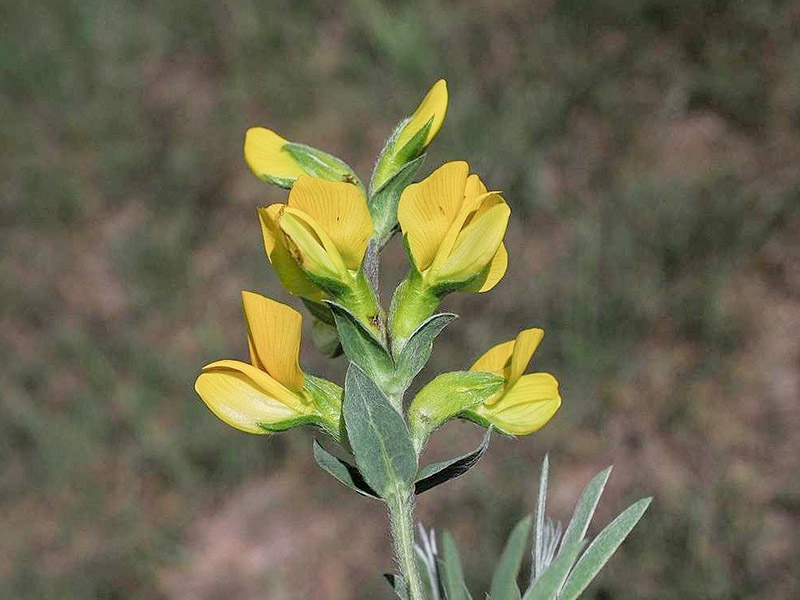
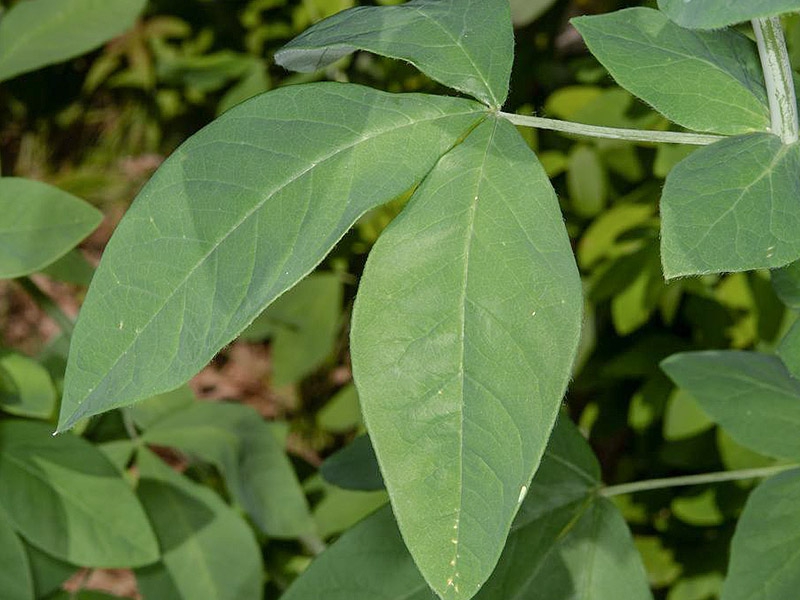
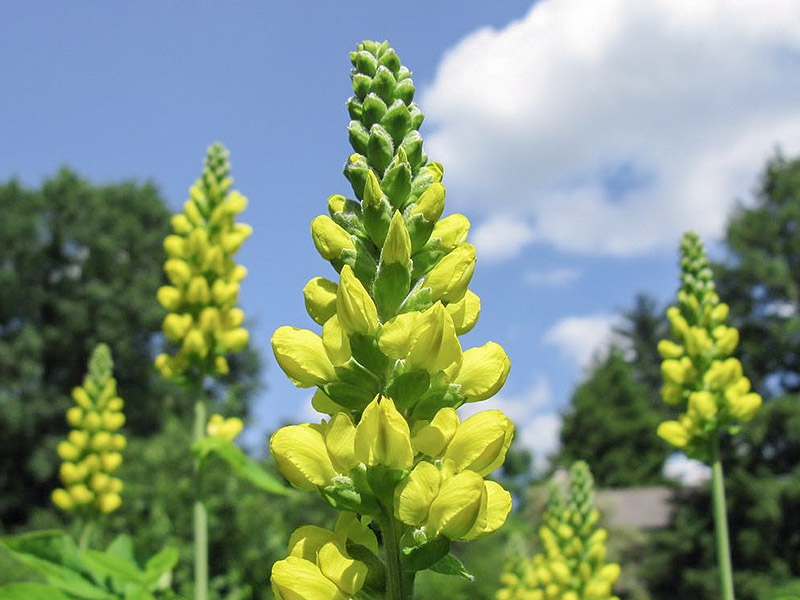
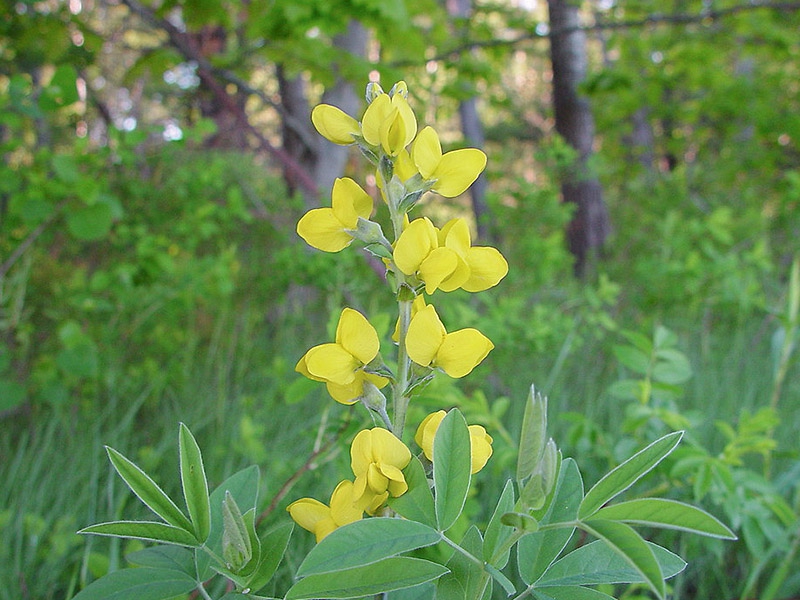
Thermopsis villosa is a perennial herb native to Korea that possesses various growth characteristics and propagation methods. The following is information regarding Thermopsis villosa. Growth Characteristics - Growing Environment: Thermopsis villosa thrives in well-drained areas with sufficient sunlight. It is particularly found at forest edges or grasslands. - Flowers and Leaves: Yellow flowers bloom from spring to early summer. The leaves are trifoliate and tend to thicken in the center. - Height: It generally grows from 80 cm to 1 m. Propagation Methods - Seed Propagation: Collect seeds from mature pods in the autumn and sow them immediately, or plant them the following spring. - Root Division: Divide the roots into appropriate sizes and transplant them in the autumn or early spring after the end of summer. Cultivation Methods - Soil: Well-drained neutral to slightly acidic soil is ideal. - Watering: Water about once a week in well-draining soil. Avoid overwatering. - Fertilizer: Use slow-release fertilizer during the growing season to supplement nutrients. Uses in the Garden - Landscape Plant: Due to its beautiful flowers and unique leaf shape, it is used as a border plant or accent plant in flowerbeds. - Density Control: It can add a natural feel to the garden while harmonizing with other plants. Important Pests and Control Methods - Diseases: While generally resistant to pests and diseases, fungal diseases can occur in cases of excessive moisture or poor ventilation. Proper ventilation and drainage are important. - Pests: Leaf beetles can be a problem; in this case, eco-friendly pesticides or organic soap can be used. - General Control Methods: If pests or diseases occur, immediately remove diseased leaves. If symptoms are severe, use specialized pesticides for control. Galeaf (Galeaf) is a useful plant for creating natural garden environments, particularly due to its unique appearance and the fact that it propagates easily. By making good use of this, you can create a richer ecosystem in the garden.
Plant Type
Plant Family
legumes
Height
90~150cm
Spread
60~90cm
Colors
yellow
Bloom Period
May~June
Water Needs
commonly
Exposure
Sunny
Freezing Resistance
-30°C
Rufinoides
Thermopsis lupinoides
Swallow's honey
Thesium chinense