English
한국어
English
Español
中文
हिंदी
Home
News
Community
Dictionary
English
한국어
English
Español
中文
हिंदी
View list
Baby's-tail herb
Caltha natans
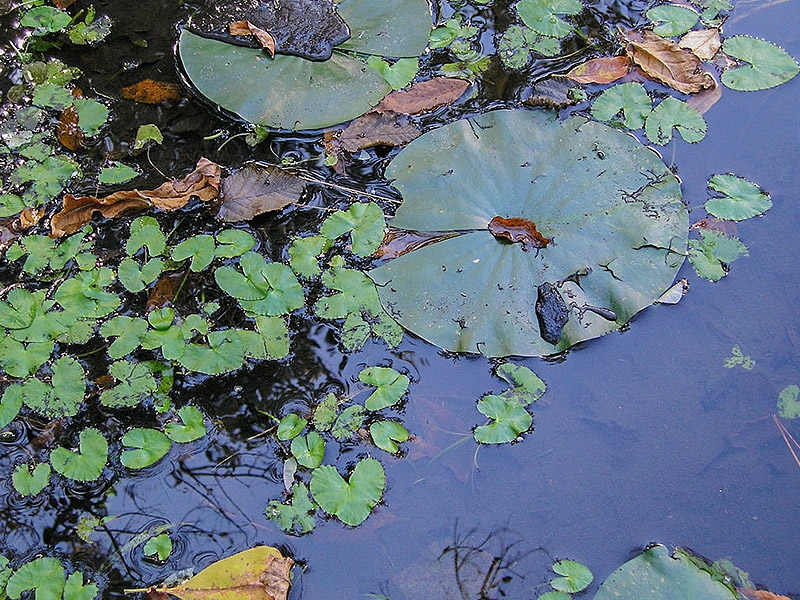
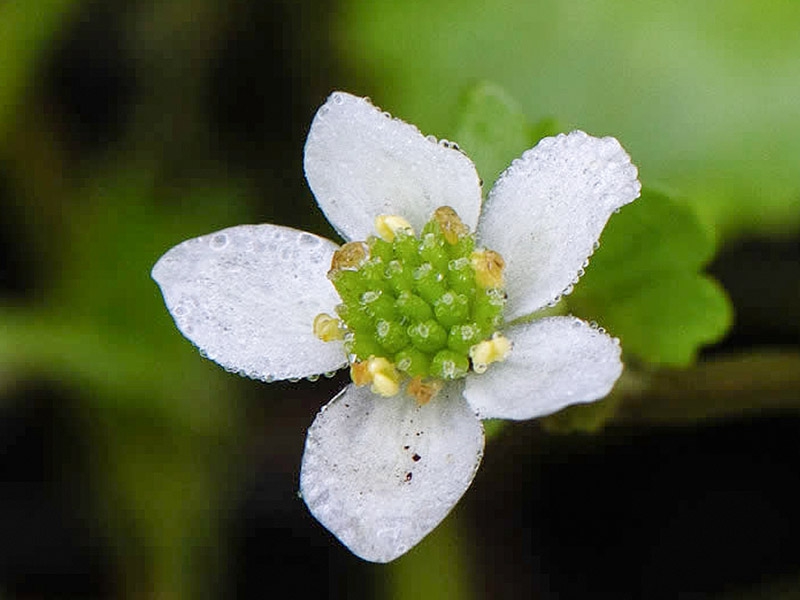
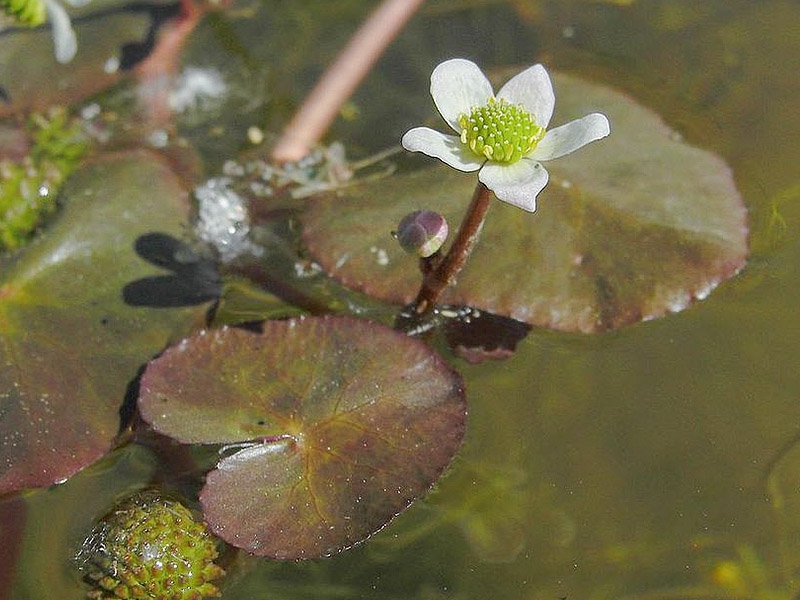
Caltha natans is a perennial herbaceous plant that grows in wetlands and riparian areas; in Korea, it is primarily found in the Gangwon-do region. Because this plant grows near or in water, it prefers environments with high humidity. - Growth Characteristics: Caltha natans grows up to approximately 30 cm in height. Its leaves are heart-shaped, and it produces rose-yellow flowers. It blooms from spring to early summer, and its roots develop well in shallow water. - Propagation Methods: It is primarily propagated by seeds, but in natural conditions, it can also be propagated by rhizomes. Seeds generally germinate in the spring, and propagation by dividing rhizomes is also possible. - Cultivation Methods: - Soil: Moist soil rich in organic matter is suitable. - Location: It thrives in partial shade, and slightly shaded areas are preferable to strong direct sunlight. - Water Management: Consistent watering is required, and a well-drained environment is essential. - Fertilizer: While excessive fertilization is not strictly necessary, using slow-release fertilizer ahead of the growing season can be beneficial. - Use in the Garden: It is suitable for creating natural landscapes along waterways and is ideal for planting in wetland gardens or around small ponds. Its impressive yellow flowers also make it a popular choice for ornamental purposes. - Major Pests and Diseases & Control Methods: - Diseases: Proper drainage is crucial as root rot can occur due to excessive moisture. - Pests: Caution is required as pests such as snails may appear. - Control Methods: Ensure good ventilation to prevent diseases, and use appropriate insecticides or fungicides if necessary. Trifolium natans is a plant that can grow beautifully in the garden under the right environment and care. Please provide good care to help it grow healthily.
Plant Type
Plant Family
Ranunculaceae
Height
20~50cm
Spread
Colors
white
Bloom Period
June~July
Water Needs
well
Exposure
semi-shaded area
Freezing Resistance
-15°C
Kalophogon tuberosus
Calopogon tuberosus
Double-layered dongui namul
Caltha polypetala