English
한국어
English
Español
中文
हिंदी
Home
News
Community
Dictionary
English
한국어
English
Español
中文
हिंदी
View list
Leptocephalus thunbergii
Caltha leptosepala
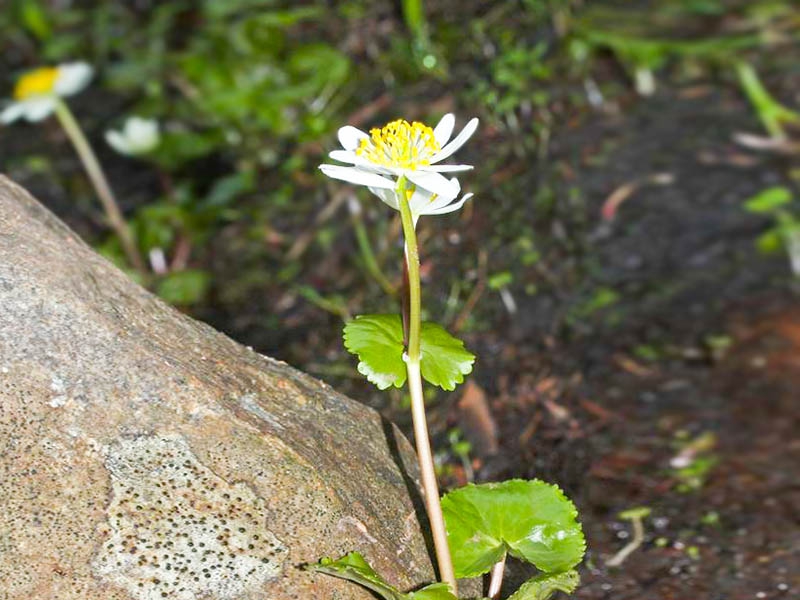
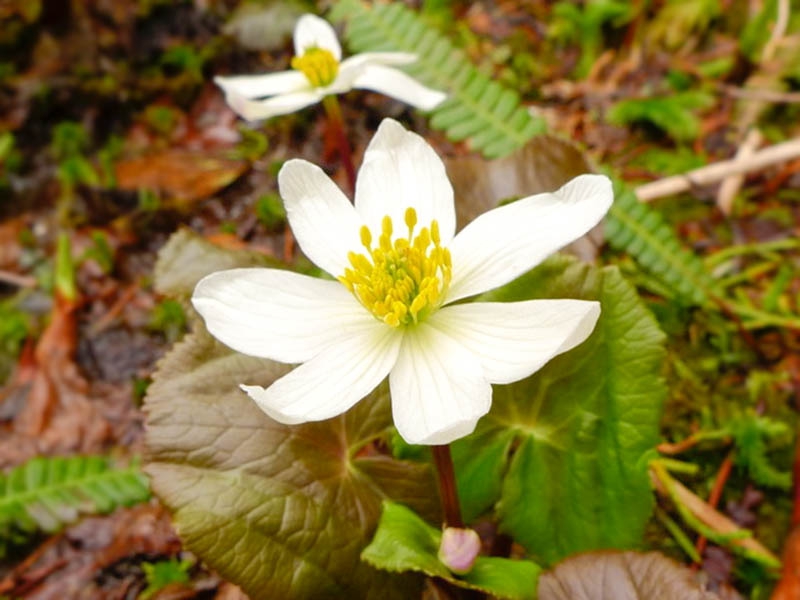
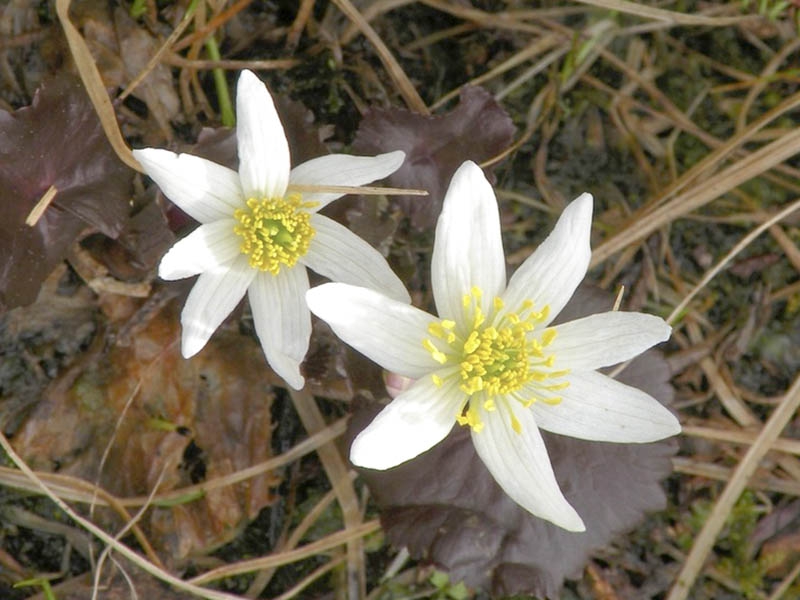
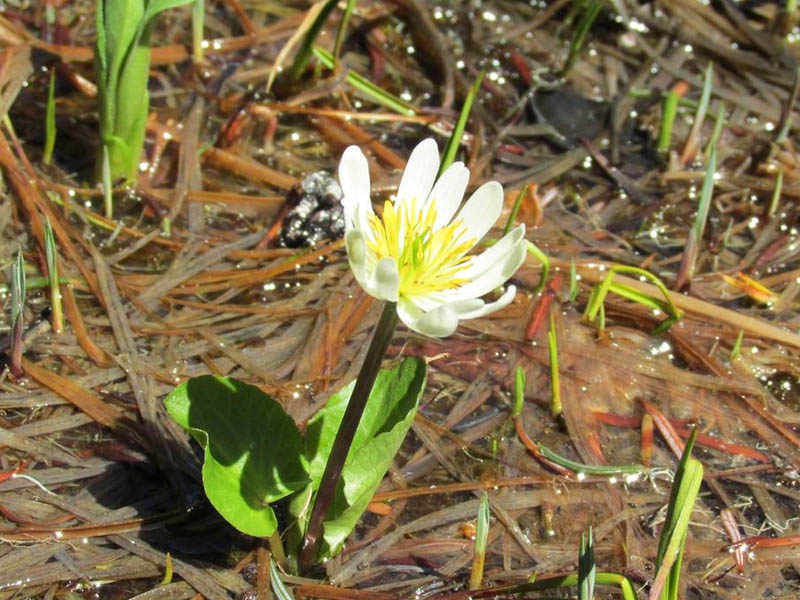
Growth Characteristics Caltha leptosepala is a perennial herbaceous plant that grows primarily in wetlands or alpine regions. This plant grows to a height of approximately 30 to 60 cm, and its flowers, which are white or yellow, bloom from spring to early summer. While it prefers sunny locations, it can also grow in partial shade. Propagation Methods It is primarily propagated by seeds. Seeds mature in summer or early autumn; mature seeds can be collected and sown immediately or at the appropriate time for the following year. Division is also possible, making propagation relatively easy. Cultivation Methods Caltha leptosepala prefers moist soil, so it is ideal to cultivate it in well-drained soil. In gardens, it is recommended to plant it in soil mixed with a small amount of organic matter to ensure good drainage. Additionally, provide sufficient water in spring and autumn, and pay attention to ensuring good drainage during the summer. Garden Use Solidago canadensis is suitable for creating wetland gardens or alpine gardens. Additionally, planting it near water creates a natural and harmonious landscape. It can also be planted alongside other wetland plants to enhance ecological diversity. Important Pests and Control MethodsSolidago canadensis is generally resistant to pests and diseases, but root rot can occur if the plant is excessively wet. Proper drainage management is crucial to prevent this. If root rot is suspected, adjusting the amount of water and moving the plant to a well-ventilated location can be helpful. Mollusks such as slugs may appear as pests; remove them using attractants or physical methods if necessary.
Plant Type
Plant Family
Ranunculaceae
Height
25~30cm
Spread
25~30cm
Colors
white
Bloom Period
May to August
Water Needs
well
Exposure
Sunny
Freezing Resistance
-40°C
Double-layered dongui namul
Caltha polypetala
Donguinamul
Caltha palustris