English
한국어
English
Español
中文
हिंदी
Home
News
Community
Dictionary
English
한국어
English
Español
中文
हिंदी
View list
The King and
Thladiantha dubia
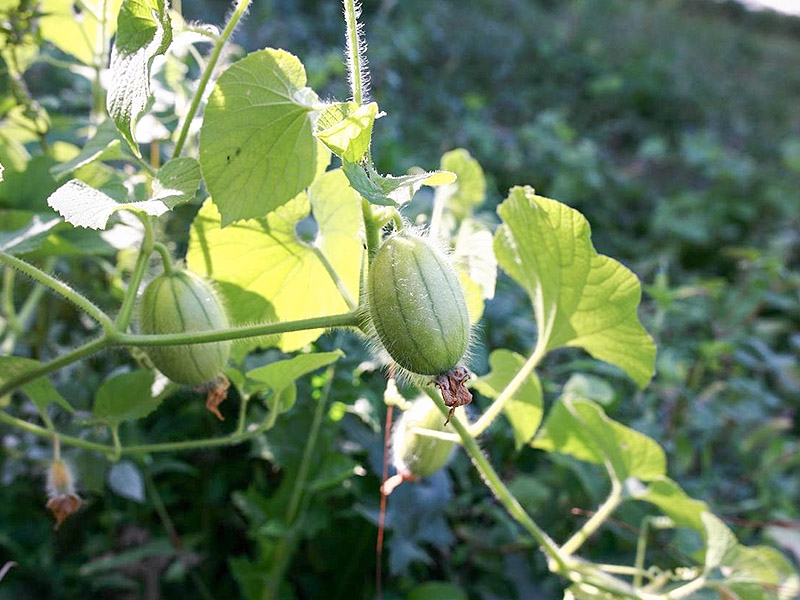
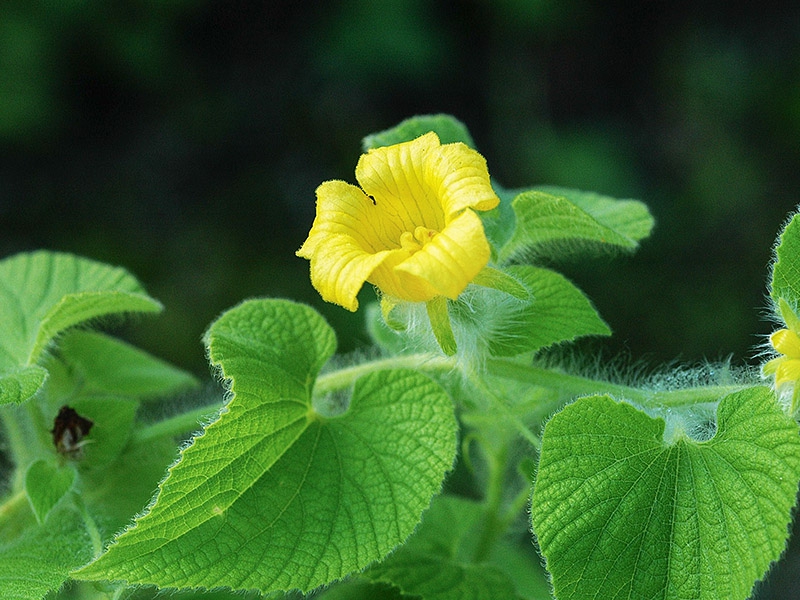
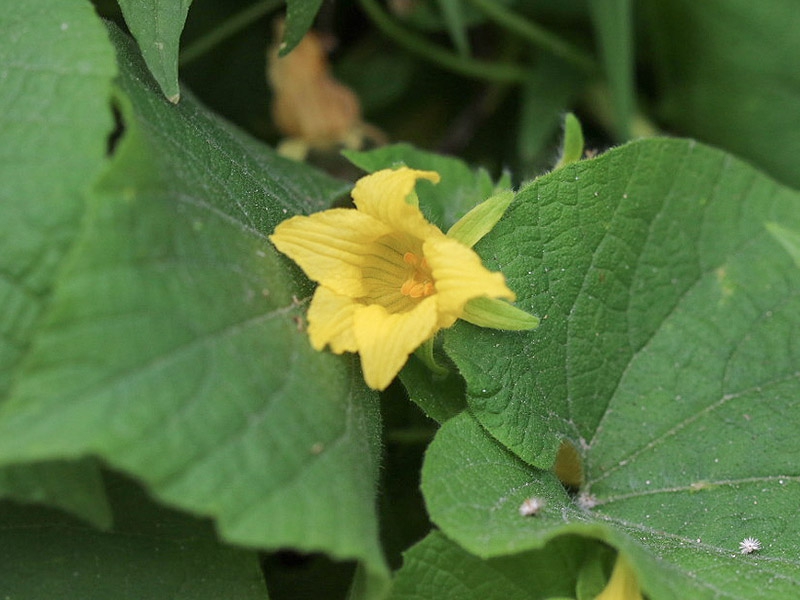
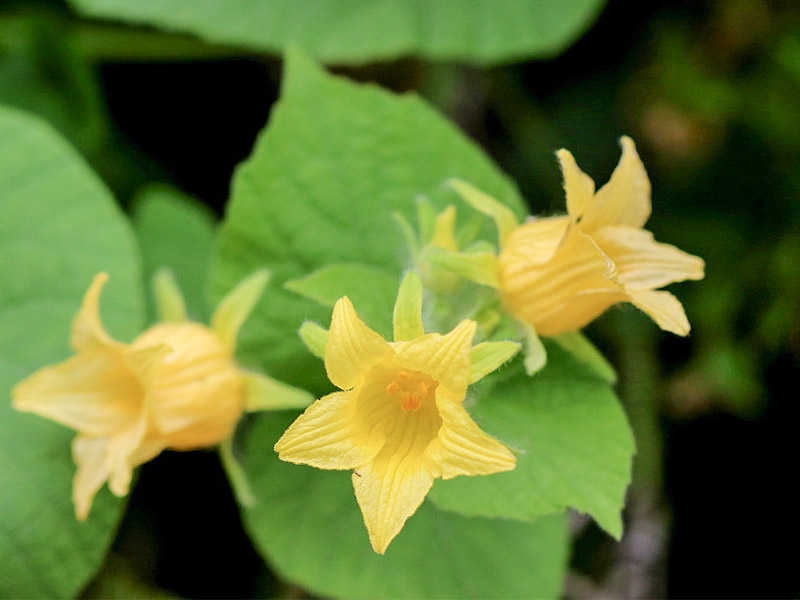
Thradiantha dubia is a plant rarely cultivated in Korea, and it possesses the following growth characteristics and cultivation methods. Growth Characteristics - Environment: Thradiantha dubia requires plenty of sunlight and thrives in warm, humid environments. It prefers well-drained soil. - Growth: As a vining plant that grows tall, it requires sufficient space and support stakes. Propagation Methods - Seeds: Thradiantha dubia can be propagated by seeds. It is best to sow seeds in the spring, and soaking the seeds in water beforehand helps increase the germination rate. - Root Division: Root division is also possible; divide and plant the roots in early spring or autumn. Cultivation Methods - Soil Preparation: Prepare well-drained soil rich in organic matter. - Planting: Plant seeds or roots at a depth of about 1 cm. - Watering: Consistent watering is necessary, but overwatering should be avoided. 4. Fertilizer: Apply appropriate fertilizer during the growing season to promote growth. Uses in the Garden- King and Dubia are suitable for gardens as ornamental plants; they are particularly excellent for decorating fences or walls using their vines. - They are also perfect as background plants for flower beds due to their beautiful yellow flowers. Important Pests and Control Methods - Diseases: They can be susceptible to fungal or viral diseases. To prevent this, it is important to create a well-ventilated environment. - Pests: Be careful of pests such as aphids; remove them by hand upon early detection or use appropriate pesticides if necessary. - Control Methods: Regularly inspect the leaves to prevent diseases and pests; using natural insecticides is also a good method if pests are found. With proper care and attention, King and Dubia are plants that can create a wonderful landscape in the garden.
Plant Type
Plant Family
Cucurbitus
Height
2.5m
Spread
Colors
yellow
Bloom Period
June to August
Water Needs
commonly
Exposure
semi-shaded area
Freezing Resistance
-10°C
Long-tailed swallow's honey
Thesium refractum
horse chestnut
Thlaspi arvense