English
한국어
English
Español
中文
हिंदी
Home
News
Community
Dictionary
English
한국어
English
Español
中文
हिंदी
View list
horse chestnut
Thlaspi arvense
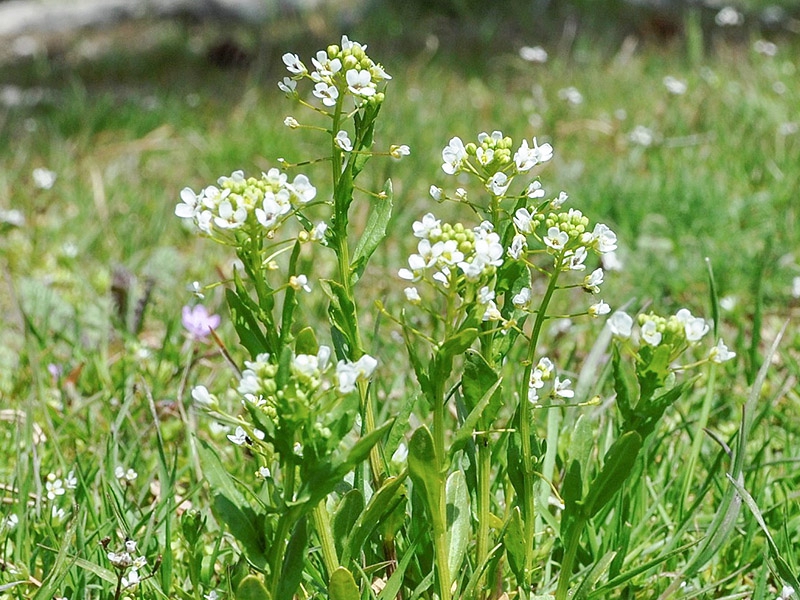
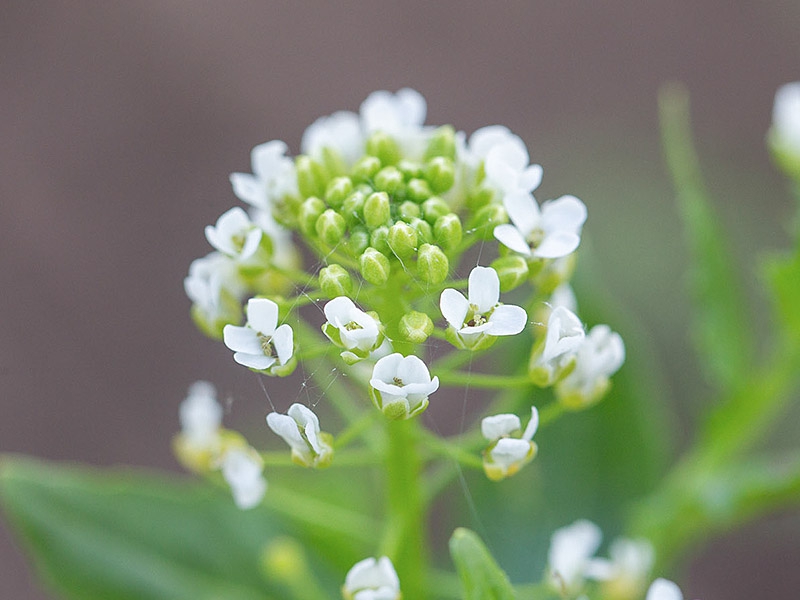
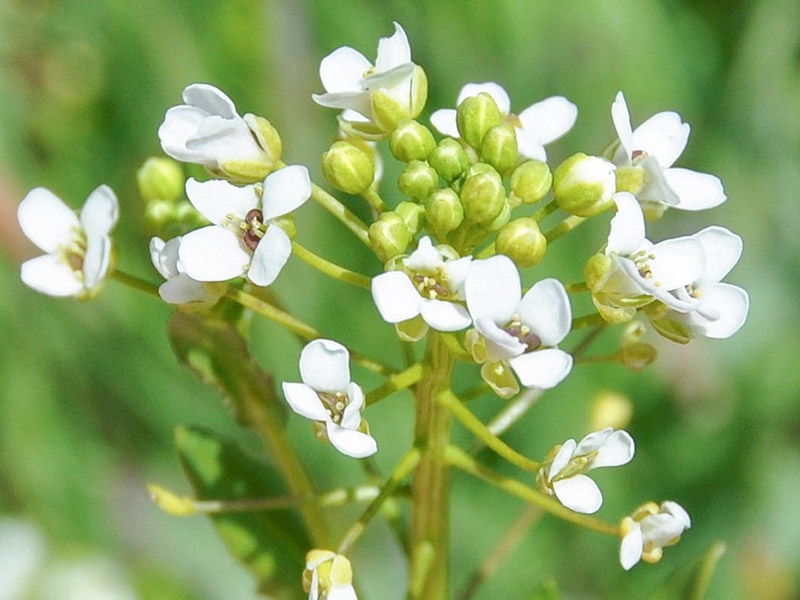
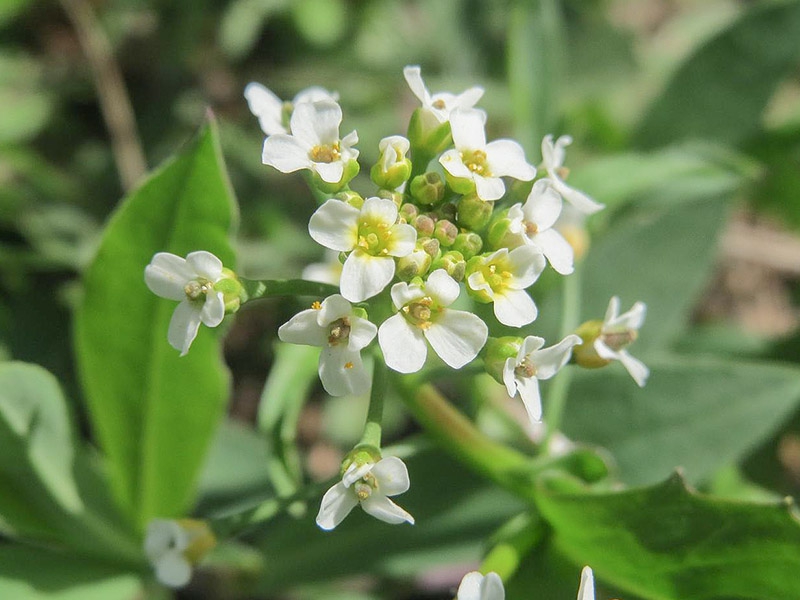
Thraspii arvense is an annual herbaceous plant belonging to the Brassicaceae family, native primarily to temperate regions of the Northern Hemisphere. Growth Characteristics - Environment: Thraspii can grow in various soil conditions, but thrives particularly well in well-drained soil with abundant sunlight. - Size and Shape: It typically grows to a height of 20–60 cm; it has shallow roots, an upright stem, and few branches. - Leaves: The leaves have petioles and tend to become smaller towards the top of the stem. Propagation Methods - Thraspii is primarily propagated by seeds. The seeds are small and easily dispersed by wind, spreading to surrounding areas. Cultivation Methods - Sowing Time: It is generally sown in spring or autumn. - Care: It grows well without special care, but since it can be classified as a weed, appropriate removal is necessary when required. - Watering: Sufficient watering is required during dry periods. Use in Gardens - Horsetail can be primarily utilized in naturalized or meadow-style gardens, creating a natural landscape by harmonizing with other native plants. Important Pests and Control Methods - Diseases: While generally resistant to diseases, damage from fungi may occur under humid conditions. - Pests: Damage from specific pests is rare, but damage caused by caterpillars or snails may occur. - Control Methods: Proper ventilation and drainage management are important for preventing pests. Organic insecticides or pesticides may be used as needed. Horsetail is considered a useful plant by many gardeners due to its strong reproductive capacity and relatively easy management. However, it is recommended to periodically maintain the growing area to prevent competition with other crops.
Plant Type
Plant Family
Cruciferae
Height
20~60cm
Spread
Colors
white
Bloom Period
April~May
Water Needs
commonly
Exposure
Sunny
Freezing Resistance
-30°C
The King and
Thladiantha dubia
Puisanum
Thuidium fujisanum