English
한국어
English
Español
中文
हिंदी
Home
News
Community
Dictionary
English
한국어
English
Español
中文
हिंदी
View list
camellia tree
Camellia japonica
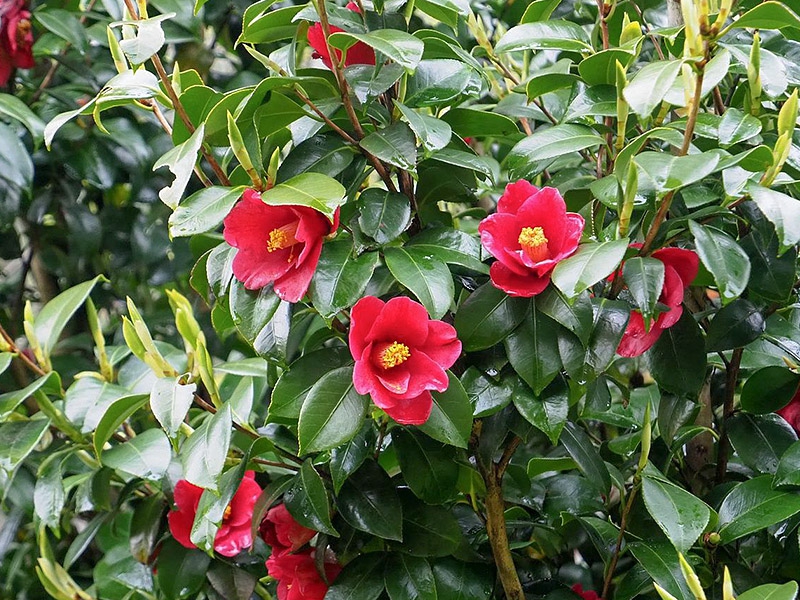
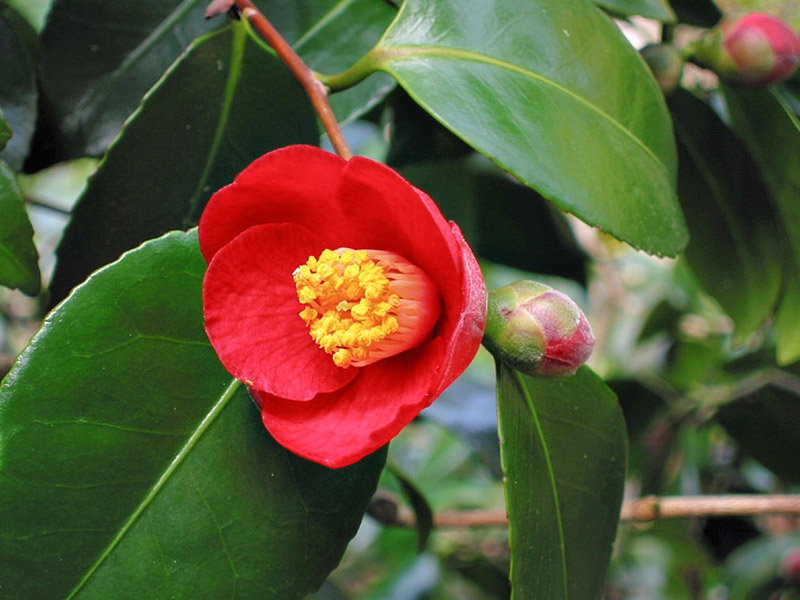
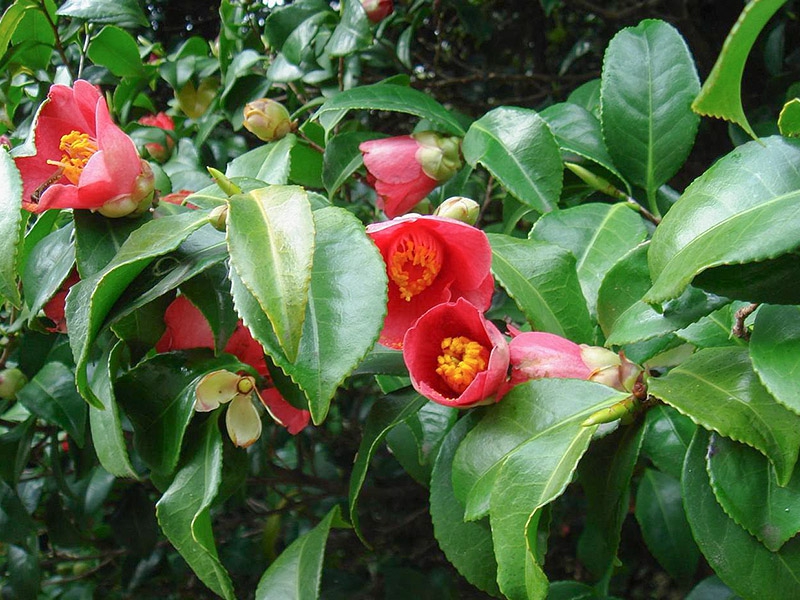
Growth Characteristics of Camellia japonica - Growing Environment: It thrives in partial shade and prefers well-drained, acidic soil. It grows well in mild climates, but its cold tolerance is relatively weak. - Flowers: Flowers bloom between January and March, and colors vary, including red, pink, and white. - Leaves: The leaves are thick, glossy, and oval-shaped with slightly serrated edges. Propagation Methods - Seed Propagation: Sow seeds immediately or store them in the refrigerator and sow them in early spring. - Cuttings: Propagation can be done via semi-hardwood cuttings during the summer. Plant in soil with a composting base and provide sufficient water. Cultivation Methods - Soil: Well-drained, acidic soil is ideal. Mix in plenty of organic matter. - Watering: Avoid overwatering and water only when necessary. Take care to prevent the soil from drying out, especially during the summer. - Fertilization: Use slow-release fertilizer in the spring, and avoid excessive fertilization. - Pruning: Lightly prune in the spring after flowering to maintain the shape. Uses in the Garden - Ornamental: Due to its showy flowers and glossy leaves, it is planted in gardens or large pots for decorative purposes. - Screening Plant: Its small stature allows it to be used as a wall covering. Important Pests and Control Methods - Black Spot: Black spots appear on the leaves. Prevent this through regular pruning and ensuring good air circulation. - Aphids: Aphids may appear on new shoots; control them using soapy water or natural insecticides. - Spider Mites: They are prone to appearing in dry environments; maintain humidity by watering frequently or use specialized insecticides. You can grow healthy camellias through consistent care and the creation of an appropriate environment.
Plant Type
Plant Family
Tea tree family
Height
15m
Spread
Colors
red, pink
Bloom Period
January to April
Water Needs
commonly
Exposure
Sunny
Freezing Resistance
-10°C
Small wild mustard
Camelina microcarpa
Camellia
Camellia sasanqua