English
한국어
English
Español
中文
हिंदी
Home
News
Community
Dictionary
English
한국어
English
Español
中文
हिंदी
View list
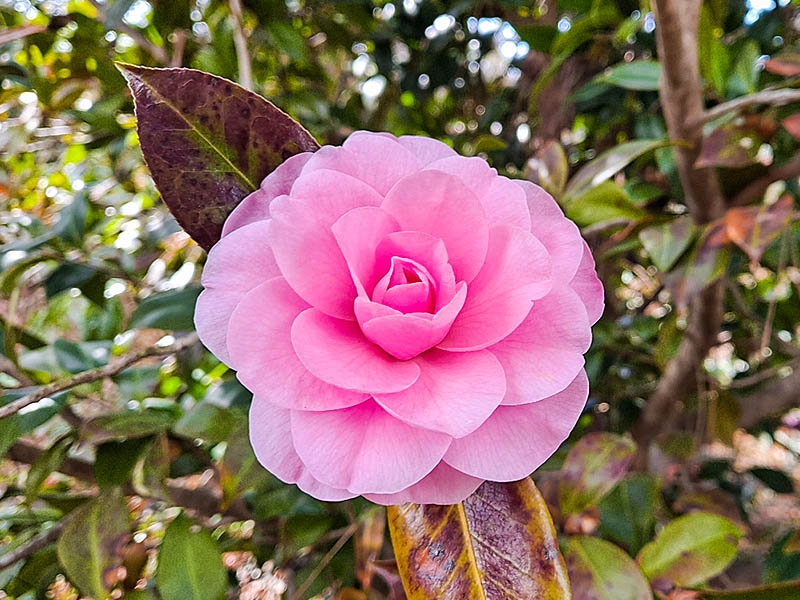
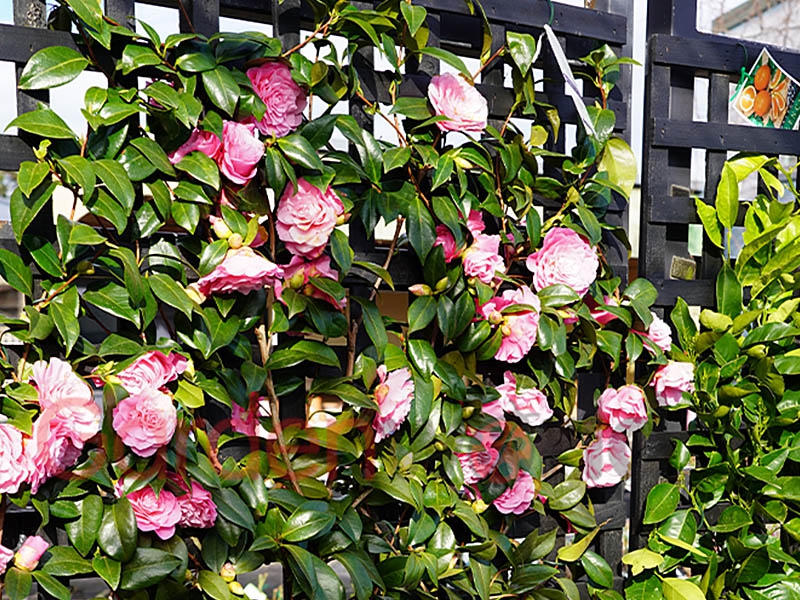
Camellia tree 'Betty Ridley'
Camellia japonic
'Betty Ridley'
Growth Characteristics Camellia 'Betty Ridley' is a cultivated variety of camellia that primarily blooms with showy flowers between winter and early spring. This plant prefers temperate climates and thrives in well-drained soil with moderate sunlight. Its growth rate is moderate, and mature trees can reach a height of 2 to 5 meters. Propagation Methods Camellia 'Betty Ridley' is mainly propagated by cuttings or grafting. Cuttings are taken in the summer using semi-rigid branches, and the use of a small amount of rooting hormone can improve the rooting rate. Grafting is generally performed in the spring and requires skilled technique. Cultivation Methods - Soil: It prefers acidic, well-drained soil. Soil intended for azaleas or rhododendrons can be used as needed. - Location: A bright location that does not receive strong direct sunlight is suitable. - Watering: Water thoroughly when the soil becomes dry, but be careful not to overwater. - Fertilizer: Apply organic fertilizer in spring and autumn; using fertilizer specifically designed for camellias is recommended. Uses in the GardenThe Camellia 'Betty Ridley' is primarily used as a landscaping tree. Its showy flowers make it suitable for creating focal points in plantings. Planting it alongside deciduous trees can add color to the garden even during the winter. Important Pests and Control Methods - Diseases: It may contract black leaf blight or wilt disease. Maintain a well-ventilated environment and use an appropriate fungicide if an outbreak occurs. - Pests: Aphids or spider mites may occur. Control them using soapy water or refined oil, or use insecticides if necessary. It is important to keep this plant healthy through regular observation and proper care.
Plant Type
Plant Family
Tea tree family
Height
2.4~3m
Spread
180~240cm
Colors
pink
Bloom Period
April to September
Water Needs
commonly
Exposure
semi-shaded area
Freezing Resistance
-10°C
Camellia tree 'Bonnie Marie'
Camellia 'Bonnie Marie'
Camellia japonica 'Sishigashira'
Camellia sasanqua 'Shishigashira'