English
한국어
English
Español
中文
हिंदी
Home
News
Community
Dictionary
English
한국어
English
Español
中文
हिंदी
View list
Western Red Cedar 'North Pole'
Thuja occidentali
'North Pole'
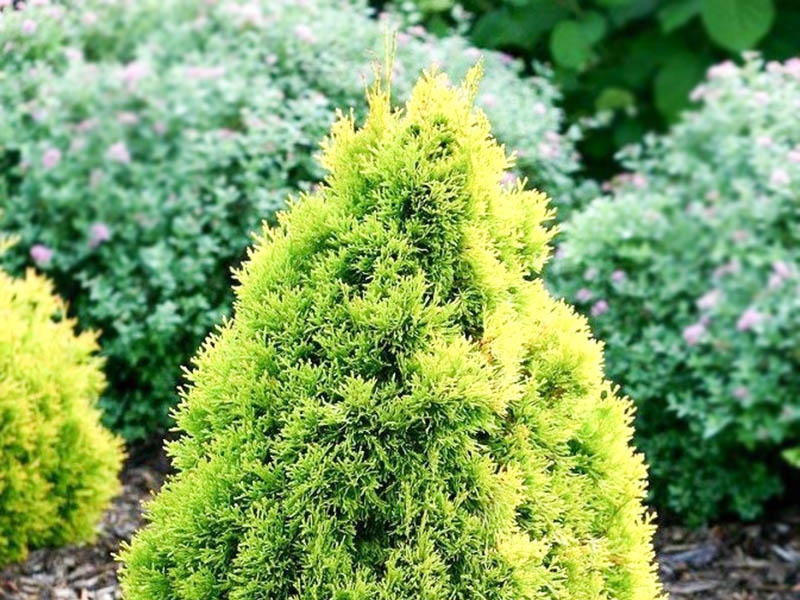
Thuja occidentalis 'North Pole' is a narrow, vertical-growing conifer that is popular primarily for gardens and landscaping. The following is information regarding this tree's growth characteristics, propagation methods, cultivation techniques, garden uses, and important pests and control methods. Growth Characteristics - Growth Form: A narrow, vertical-growing perennial conifer that reaches a height of approximately 10 to 15 feet (about 3 to 4.5 meters). - Growth Rate: Grows at a moderate rate. - Crown: Maintains a relatively narrow and dense form. - Sunlight: Prefers full sun but can grow in partial shade. - Soil: Grows well in well-drained soil and tolerates a variety of soil conditions. Propagation Methods - Cuttings: Can be propagated by taking cuttings 4 to 6 inches (about 10 to 15 centimeters) long in the summer or early autumn. - Seeds: Although it can be propagated by seeds, cuttings are generally preferred as it is difficult to accurately maintain the characteristics of the grown plant. Cultivation Methods - Planting: When planting, leave sufficient space to allow the roots to grow properly. - Watering: Regular watering is necessary in the early stages, but mature trees tolerate drought relatively well. - Fertilizer: It is recommended to apply slow-release fertilizer once in the spring. Uses in the Garden - Hedges: It is very suitable as a hedge due to its narrow, vertical growth characteristics. - Ornamental: It can be used as a landscaping element in gardens or parks. - Perennial Landscape: Its perennial nature allows it to create a green landscape throughout all four seasons. Important Pests and Control Methods - Brown Branch Blight: This is mainly caused by excessive moisture; to prevent it, ensure good ventilation around the tree. - Main Stem Rot: This can be prevented by ensuring proper soil drainage. - Pests: Aphids and spiders can cause problems; control them by using appropriate insecticides or utilizing natural enemies. The Western Red Red Occidentalis North Pole is relatively easy to care for, but there are aspects that require attention in the early stages. In particular, creating a suitable environment and providing regular maintenance are necessary for it to grow well.
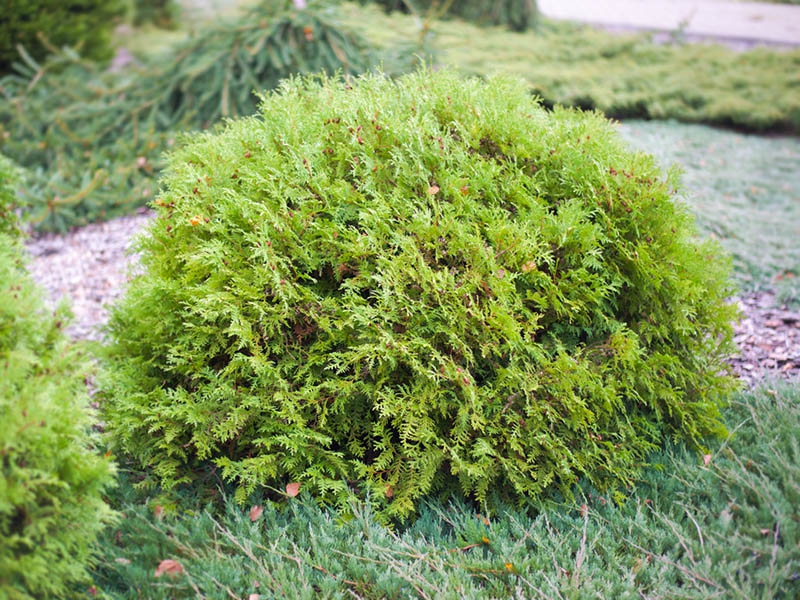
Plant Type
Plant Family
Cupress family
Height
1.2~1.8m
Spread
90~150cm
Colors
green
Bloom Period
March to August
Water Needs
commonly
Exposure
Sunny
Freezing Resistance
-40°C
Western Red Cedar 'Polar Gold'
Thuja occidentalis 'Polar Gold'
Western Red Cedar 'Fire Chef'
Thuja occidentalis 'Fire Chief'