English
한국어
English
Español
中文
हिंदी
Home
News
Community
Dictionary
English
한국어
English
Español
中文
हिंदी
View list
Whygatnaengi
Cardamine yezoensis
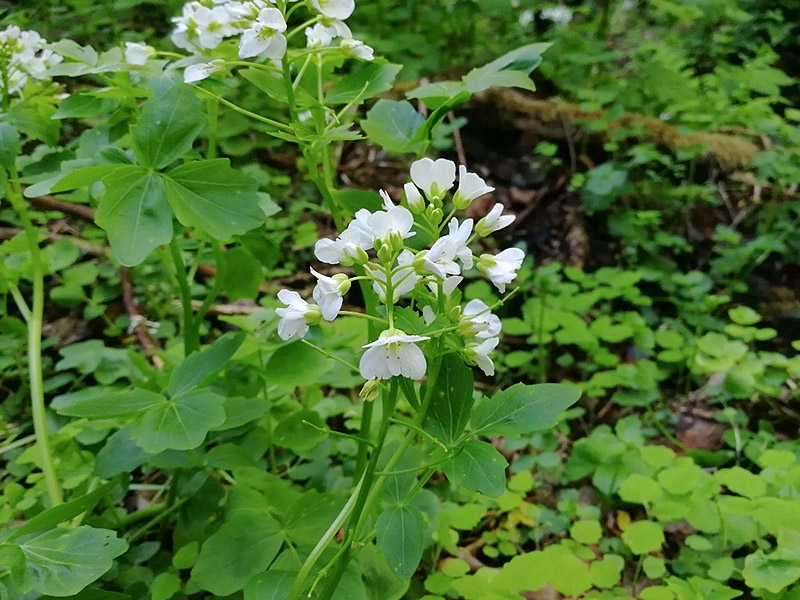
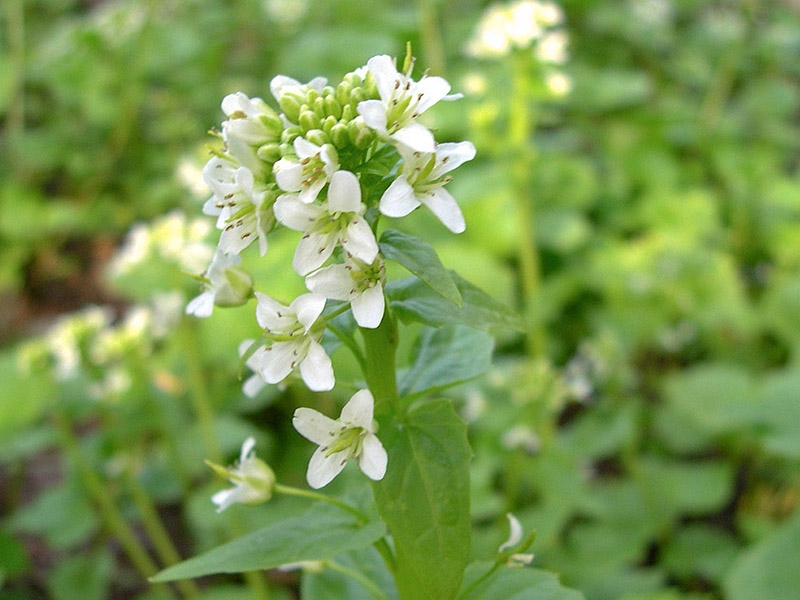
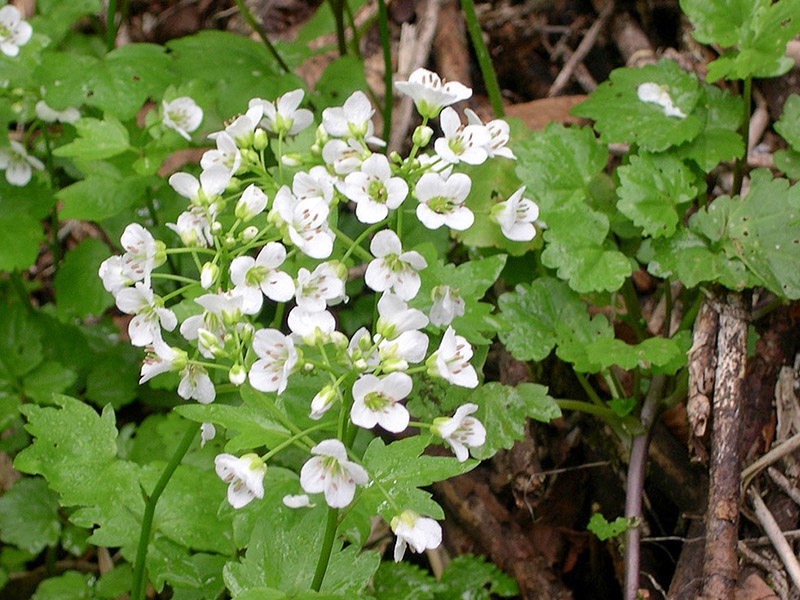
Cardamine yezoensis is a perennial plant belonging to the Brassicaceae family and possesses the following characteristics: Growth CharacteristicsCardamine yezoensis thrives primarily in humid environments and can also grow in partial shade. Its leaves are alternate and pinnately compound, and its flowers bloom mainly in spring and are white. It can grow to a height of approximately 30 to 60 cm. Propagation MethodsCardamine yezoensis is primarily propagated by seeds, which can be sown in the spring. Additionally, due to its well-developed roots, it can be propagated by root division. Cultivation Methods- Soil: Well-drained soil is suitable. - Watering: Maintain moderate humidity, but be careful not to overwater. - Sunlight: It prefers partial shade but can tolerate direct sunlight. - Fertilizer: Provide an appropriate amount of organic fertilizer during the growing season. Use in the Garden Since Japanese mustard prefers a cool growing environment, it is suitable for planting in shady areas or near water in the garden. Additionally, although the flowers are small and not showy, they are advantageous for creating a natural garden atmosphere. Important Pests and Control Methods Japanese mustard is relatively resistant to pests and diseases, but scale insects or fungal diseases may occur on the leaves. - Prevention: Prevent diseases by growing in a well-ventilated environment and planting in well-drained soil. - Control: Control pests using natural insecticides or appropriate pesticides when necessary. Proper care and environmental conditions are important for growing healthy Japanese mustard.
Plant Type
Plant Family
Cruciferae
Height
30~50cm
Spread
Colors
white
Bloom Period
May~June
Water Needs
commonly
Exposure
semi-shaded area
Freezing Resistance
-30°C
Kalaluma mammillaris
Caralluma mammilaris
rice paddy watercress
Cardamine lyrata