English
한국어
English
Español
中文
हिंदी
Home
News
Community
Dictionary
English
한국어
English
Español
中文
हिंदी
View list
Watercress
Cardamine leucantha
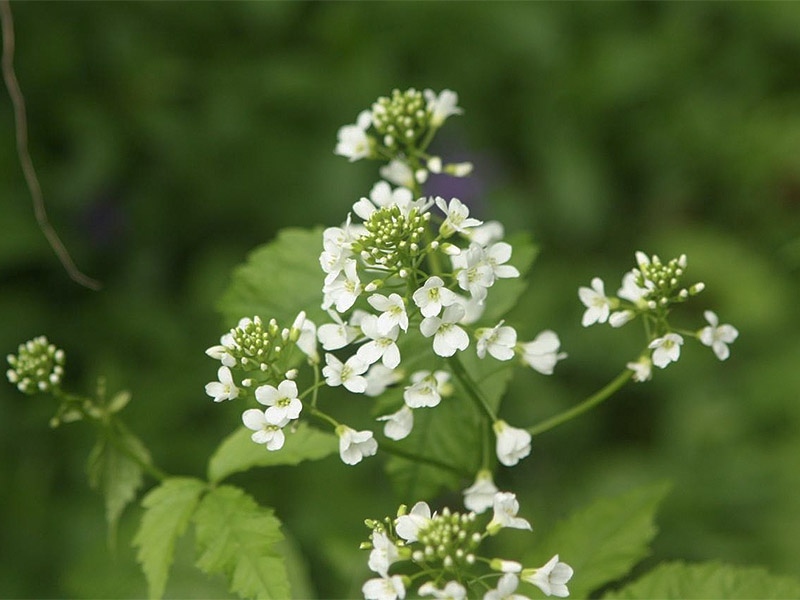
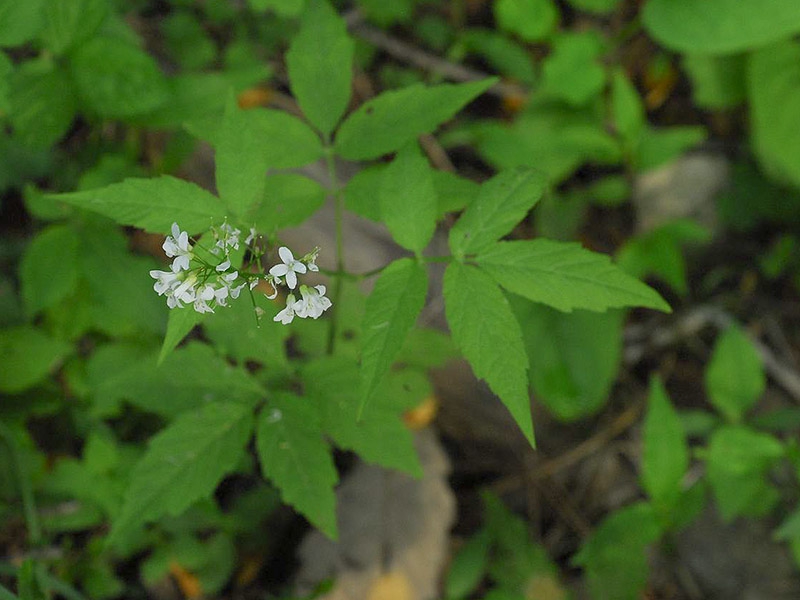
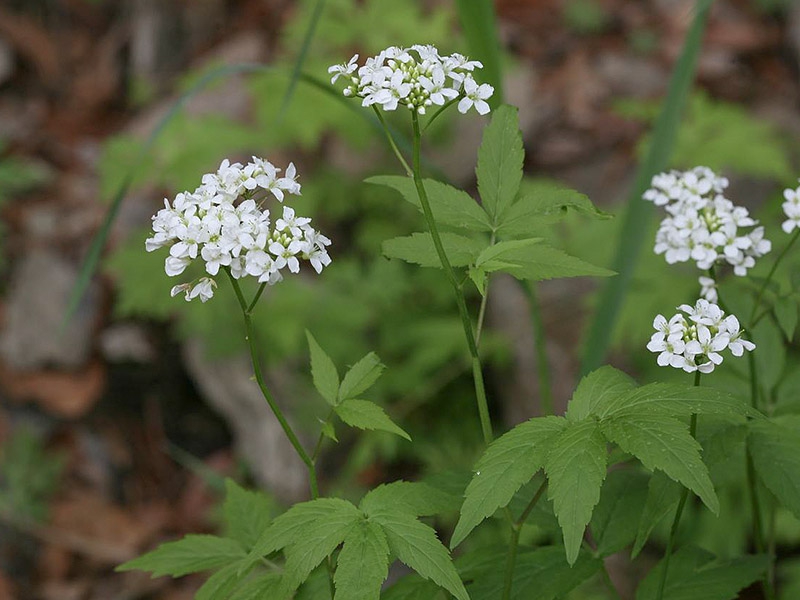
Characteristics and Cultivation Methods of Cardamine leucantha #Growth Characteristics Cardamine leucantha is a perennial herbaceous plant that thrives primarily in moist environments. In Korea, it is mainly found in wetlands in mountains and fields. This plant grows to a height of approximately 30 to 80 cm, and its leaves are pinnately divided. It blooms with white flowers between spring and summer, arranged in racemes. #Propagation Methods Cardamine is primarily propagated by seeds. It is common practice to sow seeds collected from mature plants directly in the autumn. Since external pollination occurs more frequently than self-pollination, insects such as bees and butterflies act as pollinators. #Cultivation Methods - Soil: It prefers well-drained soil, but it also grows well in moist soil. - Watering: Since it likes moisture, it must be watered sufficiently. - Planting Time: It is best to plant seeds in the autumn. However, it is also possible to transplant seedlings in early spring. - Sunlight Conditions: It thrives in partial to full sun, and it is best to avoid areas that are too shady. - Fertilizer: Generally, additional fertilizer is not necessary, but if you wish to improve soil fertility, it is recommended to use a small amount of slow-release fertilizer. #Uses in the Garden Watercress is a suitable plant for creating a natural garden landscape. It can be planted particularly in moist areas or along pond edges to enhance natural beauty. Its unique leaf shape also makes it highly valuable as an ornamental plant. #Important Pests and Control Methods Although it is relatively resistant to pests and diseases, the following issues may occasionally occur: - Diseases: - Fungal diseases: These can occur in poorly ventilated or overly humid environments. If disease occurs, remove the affected parts and prevent it through proper ventilation. - Pests: - Aphids: If aphids appear, you can wash them off with water or use natural insecticides. 3. Control Methods: - Environmental control and a preventive approach are important. Immediately remove diseased plants to prevent spread, and minimize pest and disease occurrence by maintaining appropriate humidity and ventilation. As such, Leucanta watercress is an attractive plant that is relatively easy to manage if the right environment is established.
Plant Type
Plant Family
Cruciferae
Height
40~70cm
Spread
Colors
white
Bloom Period
May to July
Water Needs
commonly
Exposure
semi-shaded area
Freezing Resistance
-10°C
rice paddy watercress
Cardamine lyrata
cress
Cardamine komarovii