English
한국어
English
Español
中文
हिंदी
Home
News
Community
Dictionary
English
한국어
English
Español
中文
हिंदी
View list
cress
Cardamine komarovii
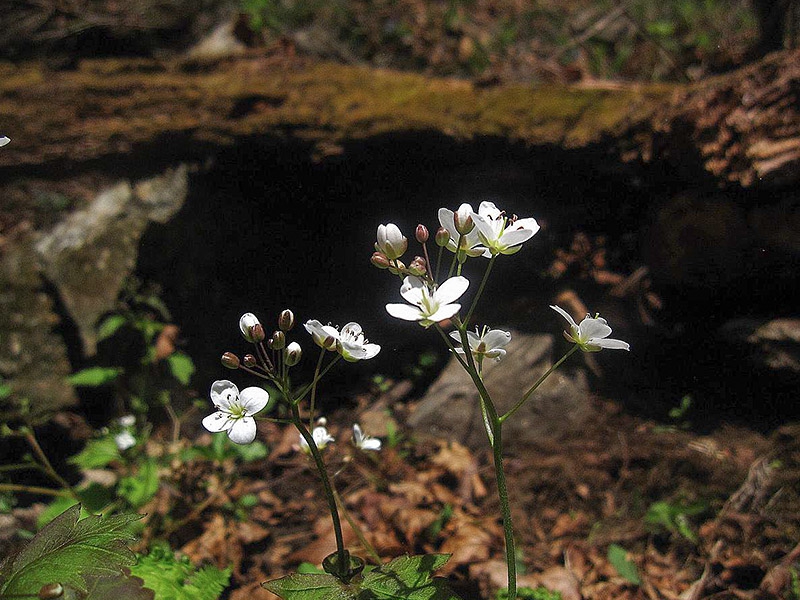
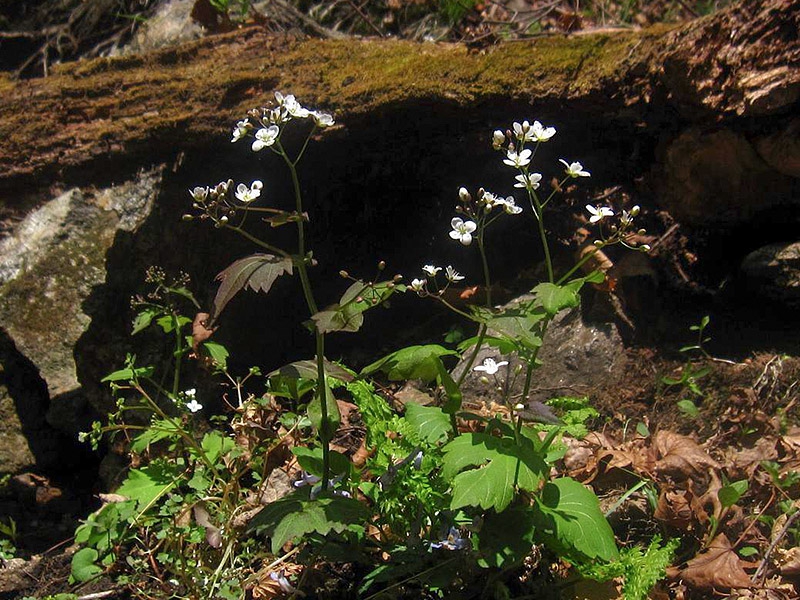
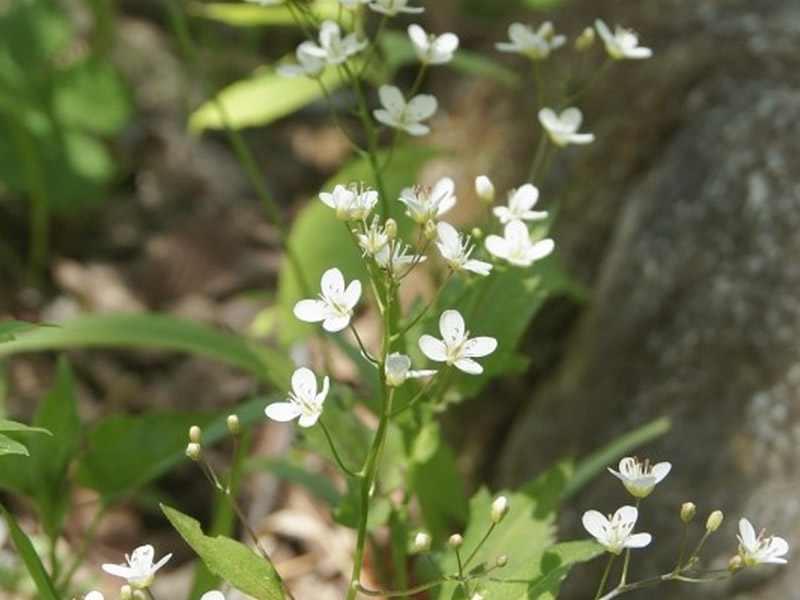
Growth Characteristics and Cultivation Information of Cardamine komarovii - Growth Characteristics: - Distribution: Cardamine komarovii is mainly distributed in East Asia. It also grows wild in humid areas of South Korea. - Morphology: It is a perennial herbaceous plant that grows to a height of approximately 20–40 cm, with leaves arranged in a feather-like pattern. It blooms with small white or pale pink flowers in the spring. - Growing Environment: Cardamines generally prefer moist, well-drained soil and thrive in locations with partial shade. - Propagation Methods: - Seed Propagation: Cardamine komarovii is primarily propagated by seeds. Mature seeds can be harvested in spring or early summer and sown immediately, or direct-sowed in the autumn to germinate the following spring. - Division: It can also be propagated by separating roots or stems. Divide the plant in the spring or autumn and plant it in a new location. 3. Cultivation Methods: - Soil Preparation: Plant in well-drained soil; organic fertilizers can be used to improve the soil's nutritional status. - Watering: Regular watering is necessary to maintain humidity, but excessive watering should be avoided as drainage is critical. - Fertilizer: Provide nutrients using liquid fertilizer during the spring growing season. It is advisable to avoid excessive fertilization. - Use in the Garden: - Cardamine is highly popular as an ornamental plant for garden borders or rock gardens. Its small flowers add natural beauty to the garden. - Major Pests and Control Methods: - Diseases: Powdery mildew or leaf mold may occur in humid environments. To prevent this, ensure good ventilation and use appropriate fungicides if an outbreak occurs. - Pests: Aphids and snails are common pests; these can be physically removed or treated with pesticides. - Prevention and Management: Along with regular weed control, remove debris around the plants to suppress the occurrence of pests and diseases. This information will help you successfully cultivate watercress and make good use of it in your garden. Healthy growth is possible through proper care and prevention.
Plant Type
Plant Family
Cruciferae
Height
50cm
Spread
Colors
white
Bloom Period
May to July
Water Needs
commonly
Exposure
semi-shaded area
Freezing Resistance
-30°C
Watercress
Cardamine leucantha
Lespedeza
Cardamine impatiens