English
한국어
English
Español
中文
हिंदी
Home
News
Community
Dictionary
English
한국어
English
Español
中文
हिंदी
View list
Millet shepherd's purse
Cardamine fallax
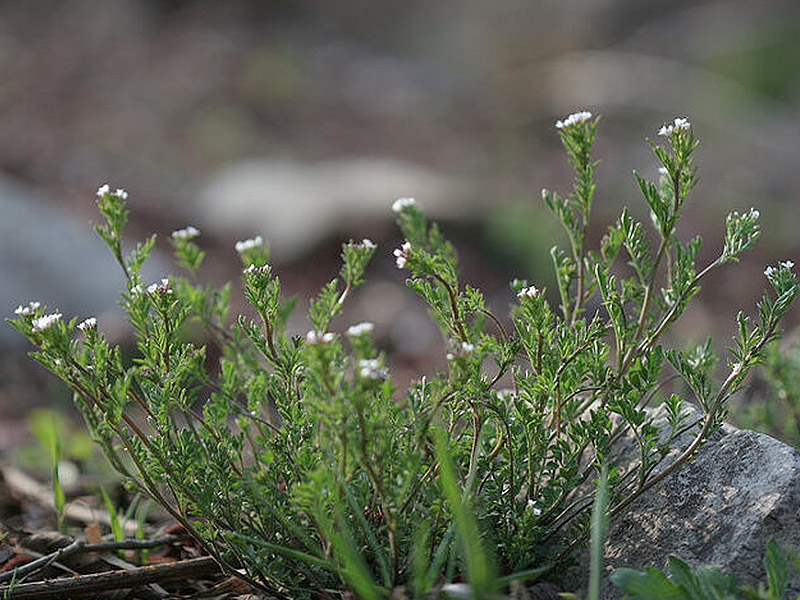
Cardamine fallax is a plant belonging to the Brassicaceae family and grows primarily in cool regions. The following describes the growth characteristics, propagation methods, cultivation methods, garden uses, major pests, and control methods of Cardamine fallax. Growth Characteristics Cardamine fallax generally prefers moist soil and sunny environments. Its roots are usually shallow, and its stems grow long and slender, spreading along the ground. Small white or pale pink flowers bloom in the spring. Propagation Methods Cardamine fallax is primarily propagated by seeds. The plant can be propagated by sowing seeds between February and April. This plant is capable of self-pollination and reproduces well in its natural state, but better propagation results can be achieved through artificial environmental control. Cultivation Methods When cultivating Cardamine fallax, fertile and well-drained soil is required. Root development may be inhibited in poorly drained soil. Water regularly to maintain soil moisture. Additionally, remove weeds around the plant to ensure sufficient nutrient supply. Uses in the GardenPallax is widely used as a ground cover and is suitable for planting in gardens or natural purification zones. It is particularly well-suited for rock gardens or small flowerbeds, and can enhance beauty by harmonizing with other deciduous plants. Important Pests and Control MethodsPallax is generally resistant to pests and diseases, but it can be damaged by aphids or snails. Aphids can be managed by washing them off with soapy water or using preemptive agents. Snails can be controlled by utilizing natural predators or employing separate lure traps. Regular inspections and early detection are crucial for effectively preventing pests and diseases. With this information, you can effectively cultivate and manage Pallax.
Plant Family
Cruciferae
Height
20cm
Colors
white
Bloom Period
April~May
Water Needs
commonly
Exposure
semi-shaded area
Freezing Resistance
-15°C
Yellow cress
Cardamine flexuosa
Wild mustard
Cardamine changbaiana