English
한국어
English
Español
中文
हिंदी
Home
News
Community
Dictionary
English
한국어
English
Español
中文
हिंदी
View list
Wild mustard
Cardamine changbaiana
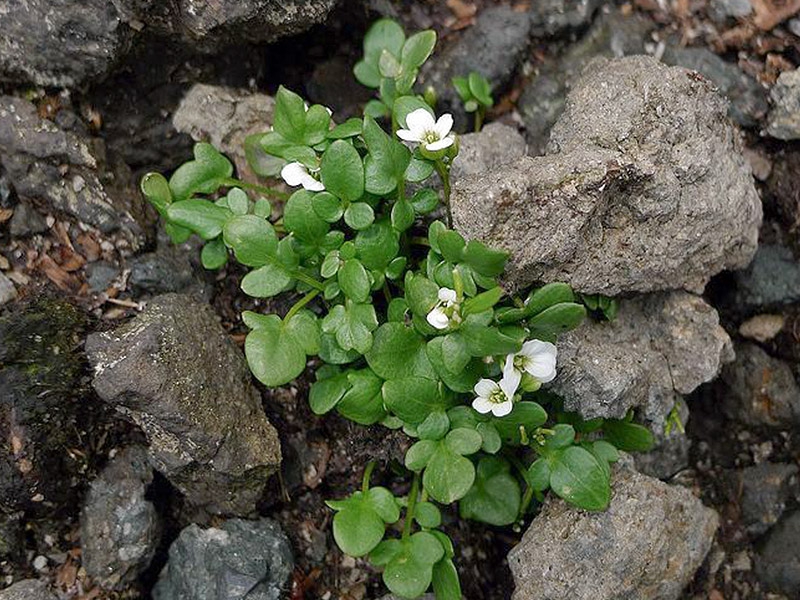
Cardamine changbaiana is a plant that thrives primarily in humid environments. The following describes its growth characteristics, propagation methods, cultivation methods, potential uses in gardens, and major pests and diseases, as well as control methods. Growth Characteristics Cardamine changbaiana is a perennial herbaceous plant that grows well in shady areas. The optimal growing temperature is between 15 and 20 degrees Celsius, and adequate humidity must be maintained. It grows relatively quickly and thrives vigorously from spring through summer. Propagation Methods It is generally propagated by seeds. Seeds can be sown directly in spring or autumn, or seedlings can be planted. For seedling propagation, it can also be propagated by root division. Cultivation Methods - Soil: It prefers well-drained soil and grows best in soil rich in organic matter. - Water Management: It is important to water consistently to prevent the soil from drying out. - Sunlight: It thrives in shade, but some sunlight can be beneficial for plant growth. - Fertilizer: It is recommended to apply an appropriate amount of fertilizer about once or twice a month during the growing season. Uses in the Garden Wild cress is suitable as a ground cover plant for shaded gardens. It can also be used to create natural forest or vegetation landscapes. Its moderate height and leaf colors harmonize well with other plants. Important Pests and Control Methods - Diseases: Be careful of root rot caused by excessive moisture; proper drainage management is essential to prevent this. - Pests: Common pests include aphids and snails. Aphids can be controlled by spraying soapy water, while snails can be removed manually or treated with snail insecticides. Based on this information, you will be able to grow healthy wild cress and utilize it effectively in your garden.
Plant Family
Cruciferae
Height
3~8cm
Colors
white
Bloom Period
July~August
Water Needs
commonly
Exposure
semi-shaded area
Freezing Resistance
-10°C
Millet shepherd's purse
Cardamine fallax
baby's breath
Cardamine bellidifolia