English
한국어
English
Español
中文
हिंदी
Home
News
Community
Dictionary
English
한국어
English
Español
中文
हिंदी
View list
baby's breath
Cardamine bellidifolia
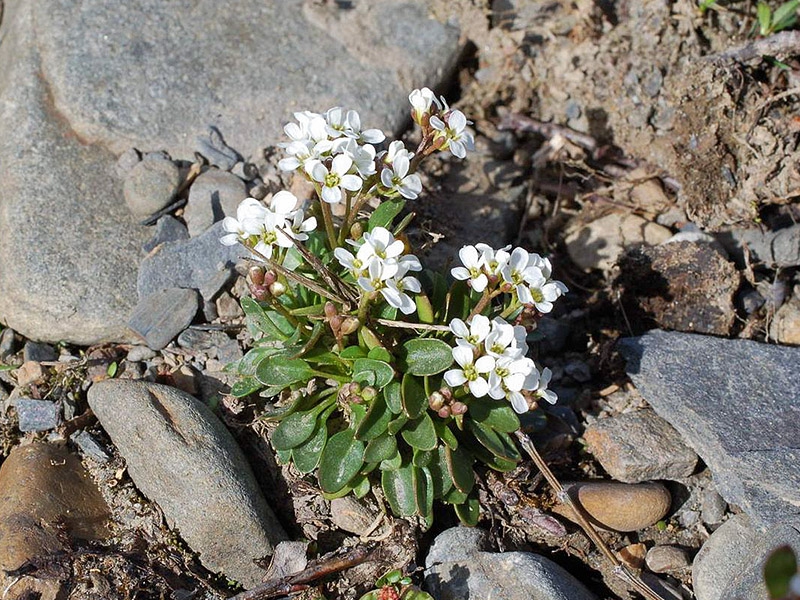
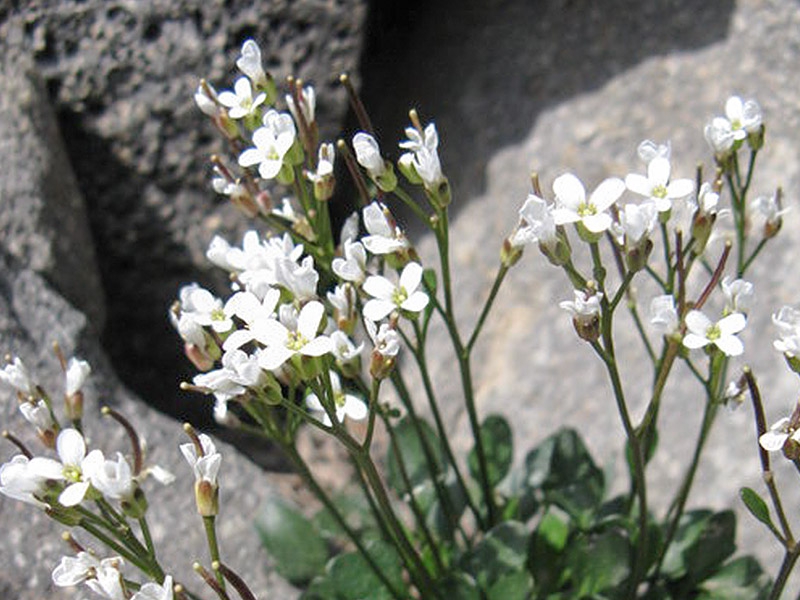
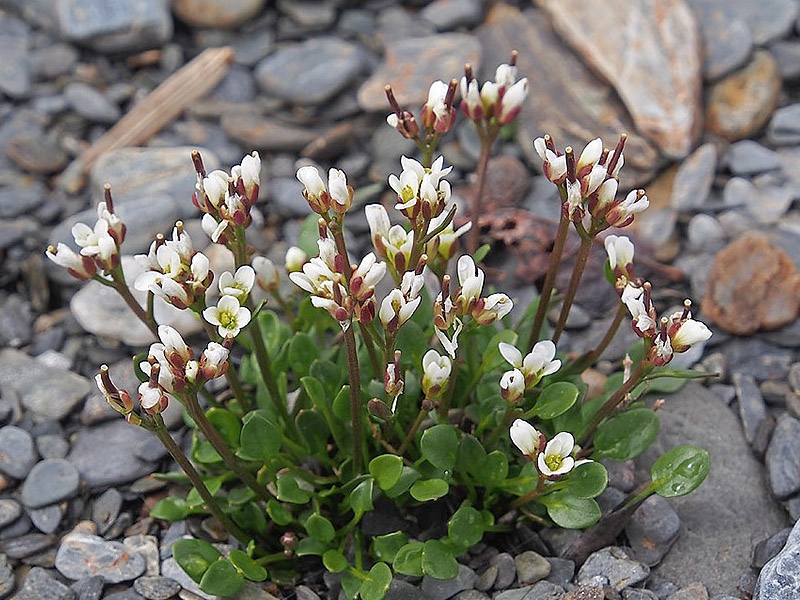
Cardamine bellidifolia is a perennial plant native to alpine regions in the Northern Hemisphere that thrives in moist environments. The following information covers the plant's growth characteristics, propagation methods, cultivation practices, garden uses, and major pests and control methods. Growth Characteristics - Height and Shape: Cardamine typically grows to a height of 5 to 15 cm and produces small, delicate white flowers. - Habitat: It is primarily found in moist alpine meadows or forest edges and survives well even in relatively cold climates. - Soil: It prefers well-drained, moist soil. Propagation Methods - Seed Propagation: It is mainly propagated by seeds. Seeds should be sown in early spring or autumn. - Division: In its natural habitat, propagation primarily occurs via roots, but it can also be propagated artificially through division. Cultivation Methods - Sunlight: It grows well in partial shade, but locations with ample sunlight are also suitable. - Watering: It is important to keep the soil consistently moist. Overwatering should be avoided, but dry conditions are not suitable. - Fertilizer: No special fertilizer is required, and it grows well in its natural state. If necessary, apply a small amount of organic fertilizer in early spring. Garden Use - Varieties: As a small plant, it provides a delicate landscape. It is well-suited for rock gardens, flowerbed edges, and alpine gardens. - Placement: It can be placed harmoniously with other tall plants to create a natural feel. Important Pests and Control Methods - Diseases: Generally, there are no major diseases, but root rot can occur due to overwatering. Ensure good drainage. - Pests: Damage from pests is rare, but it may be affected by aphids or some moths. - Control Methods: If pests appear, they can be removed using eco-friendly methods such as vinegar or soapy water. In severe cases, appropriate insecticides may be used. With proper care and environment, watercress can be an attractive garden plant.
Plant Type
Plant Family
Cruciferae
Height
5~30cm
Spread
Colors
white
Bloom Period
July~August
Water Needs
commonly
Exposure
semi-shaded area
Freezing Resistance
-15°C
Wild mustard
Cardamine changbaiana
Flowering stork's-tail
Cardamine amaraeformis