English
한국어
English
Español
中文
हिंदी
Home
News
Community
Dictionary
English
한국어
English
Español
中文
हिंदी
View list
Large yellow cress
Cardamine scutata
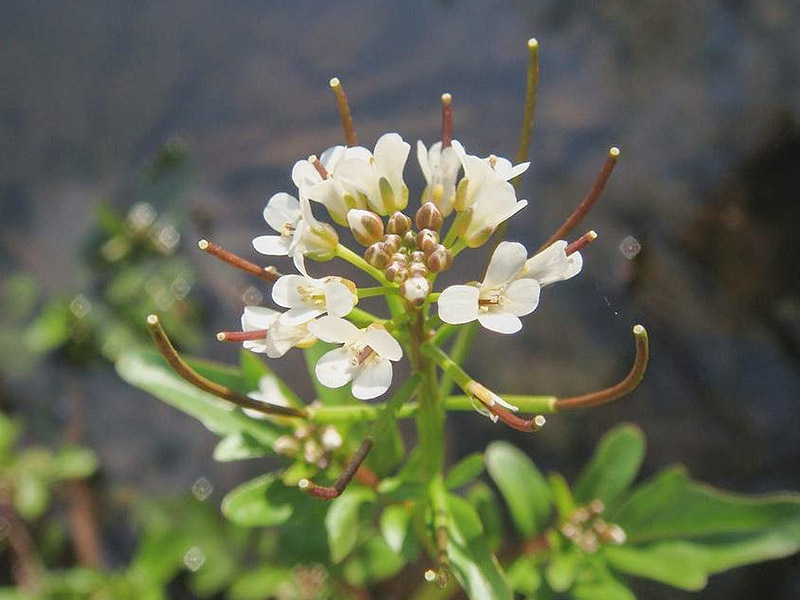
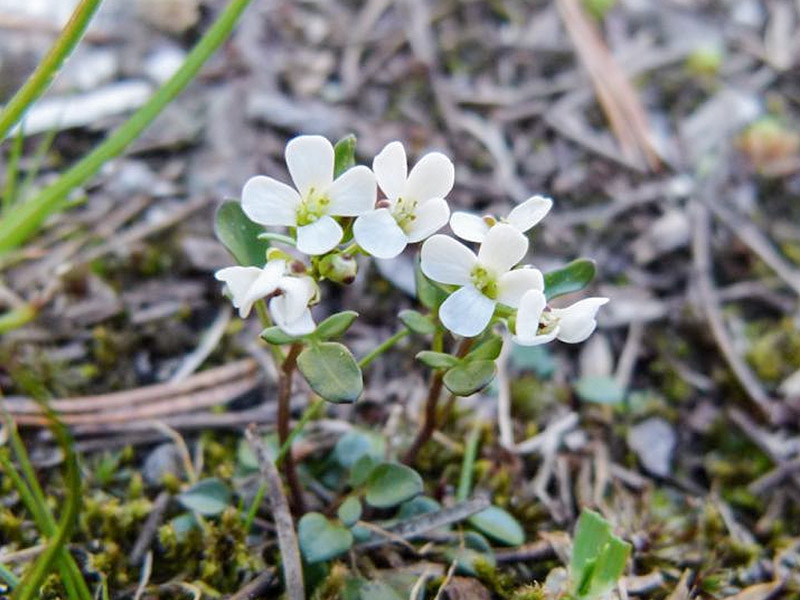
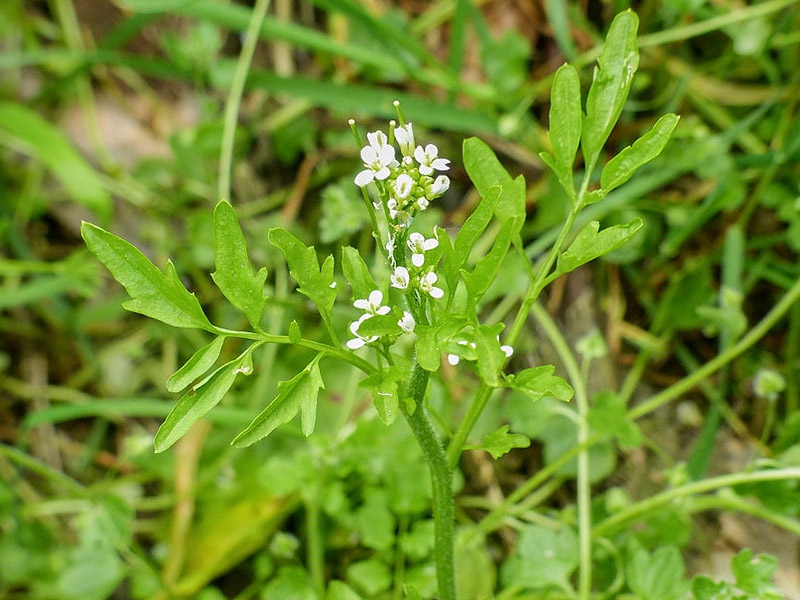
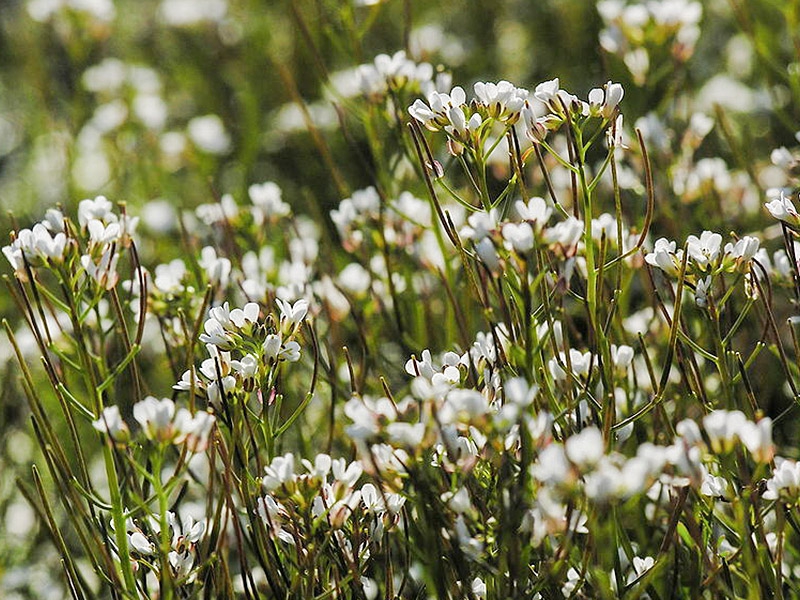
Cardamine scutata is a perennial herb belonging to the Brassicaceae family that thrives primarily in moist forests or along streams. This plant can be managed using the following characteristics and methods: Growth Characteristics - Environment: It grows well in partial shade and prefers moist soil. - Size: It typically grows to a height of 30–60 cm. - Leaves: It has pinnate leaves with long petioles and pointed tips. - Flowers: It blooms with small white flowers from spring to early summer. Propagation Methods - Seed Propagation: Harvest mature seeds and sow them in spring or autumn. - Root Division: Mature roots can be divided and transplanted in the spring. Cultivation Methods - Soil Preparation: Well-drained soil that retains moisture well is suitable. - Planting Spacing: Set the spacing between plants to approximately 30 cm to ensure proper ventilation and growth. 3. Water Management: Water the plant to keep the soil consistently moist. - Fertilization: Use organic fertilizers to provide nutrients during the early growing season. Uses in the Garden - Aesthetics: Its beautiful leaves and flowers make it suitable for garden edges or wetland gardens. - Ecological Role: It provides food and habitat for various insects. Important Pests and Control Methods - Diseases: Yellowing or discoloration of leaves may be a sign of root rot caused by excessive moisture. Drainage improvement is necessary. - Pests: Common pests affecting the plant include aphids and scale insects; soapy water or eco-friendly insecticides can be used if necessary. - Control: It is important to periodically check the plant's condition and take control measures at the early stages of pest infestation. Based on this information, you can manage and cultivate the large-scale watercress scutata healthily.
Plant Family
Cruciferae
Height
20cm
Colors
white
Bloom Period
May~June
Water Needs
well
Exposure
semi-shaded area
Freezing Resistance
-10°C
Flowering stork's-tail
Cardamine amaraeformis
Narrow-leaved watercress
Cardamine schulziana