English
한국어
English
Español
中文
हिंदी
Home
News
Community
Dictionary
English
한국어
English
Español
中文
हिंदी
View list
Flower cress
Cardamine pratensis
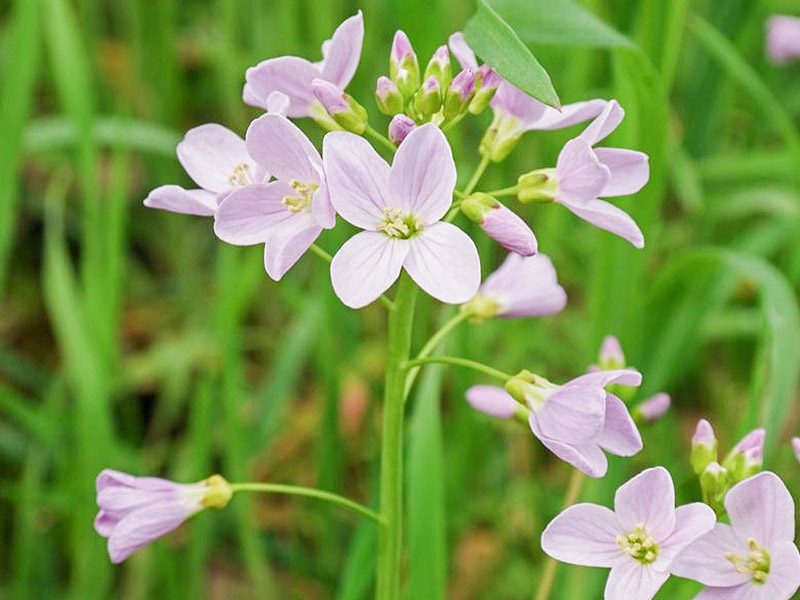
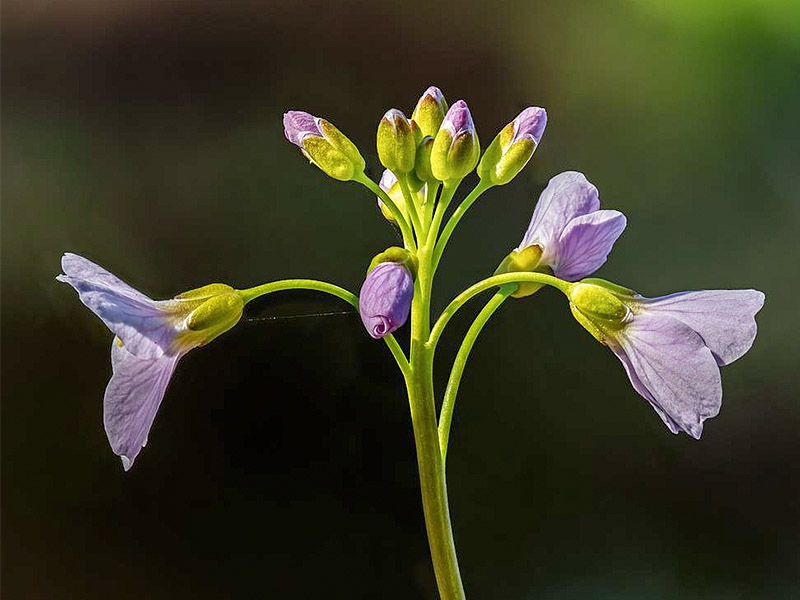
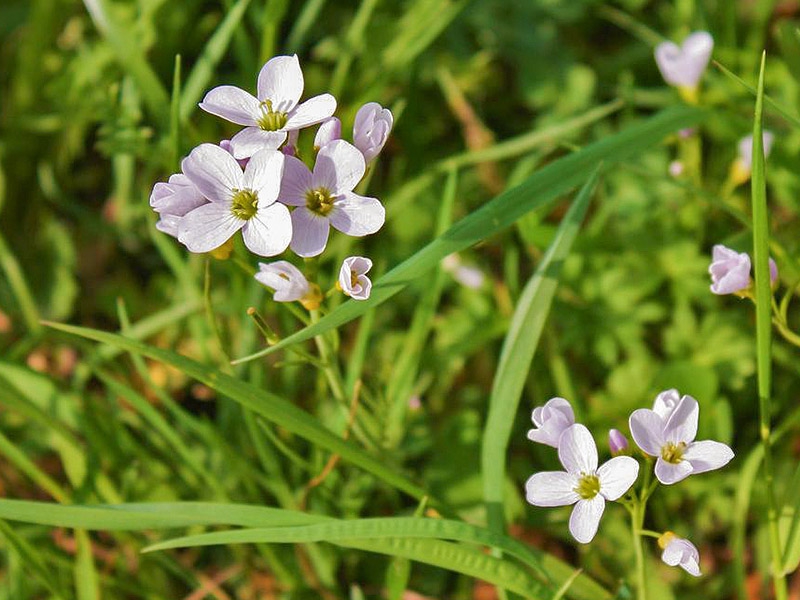
Cardamine pratensis is a perennial plant that grows primarily in wetlands or moist grasslands in Europe and Asia. The following is information regarding the growth characteristics, propagation methods, cultivation methods, garden uses, major pests, and control methods of Cardamine pratensis. Growth Characteristics - Botanical Characteristics: Cardamine pratensis is a plant that blooms in early spring. The flowers are usually pale pink to purple, and the leaves are feather-shaped. - Growing Environment: It prefers wetlands or moist grasslands, so it grows well even in areas with slightly poor drainage. It prefers full sunlight but can also grow in partial shade. Propagation Methods - Seed Propagation: It can be propagated by seeds, which are sown in early spring or autumn. It should be watered sufficiently before transplanting, and periodic watering is necessary to maintain adequate soil moisture. - Root Division: It can also be propagated by dividing the roots. Divide and plant mature plants in spring or autumn. Cultivation Method - Soil Preparation: Soil that retains moisture well is ideal, even if drainage is slightly poor. Mix in organic fertilizer or compost thoroughly before planting. - Planting Time: It is best to plant in early spring or autumn. Planting at this time allows the plant to adapt well to its new environment. - Watering: Since it requires sufficient moisture, watering must be managed thoroughly. Regular watering is necessary, especially during dry periods. Uses in the Garden - Landscape Plant: It is very attractive for landscaping as it blooms in early spring. - Naturalistic Garden: Suitable for gardens or wetland gardens that provide a natural feel. Important Pests and Control Methods - Diseases: Fungal diseases, mainly caused by moisture, may occur. Prevent this by improving ventilation and drainage, and use an appropriate fungicide if an outbreak occurs. - Pests: Damage from aphids or moths may occur. Upon early detection, remove them using a soap solution or use insecticides as needed. - Prevention: It is recommended to detect pests and diseases early through regular observation and to utilize natural predators. With consistent care, Cressella pratensis can be utilized as a beautiful and vibrant garden plant.
Plant Type
Plant Family
Cruciferae
Height
20~30cm
Spread
Colors
purple
Bloom Period
May to June
Water Needs
well
Exposure
semi-shaded area
Freezing Resistance
-30°C
wild channi
Cardamine prorepens
Lespedeza impatiens var. eriocarpa
Cardamine impatiens var. eriocarpa