English
한국어
English
Español
中文
हिंदी
Home
News
Community
Dictionary
English
한국어
English
Español
中文
हिंदी
View list
Great Master
Carex siderosticta
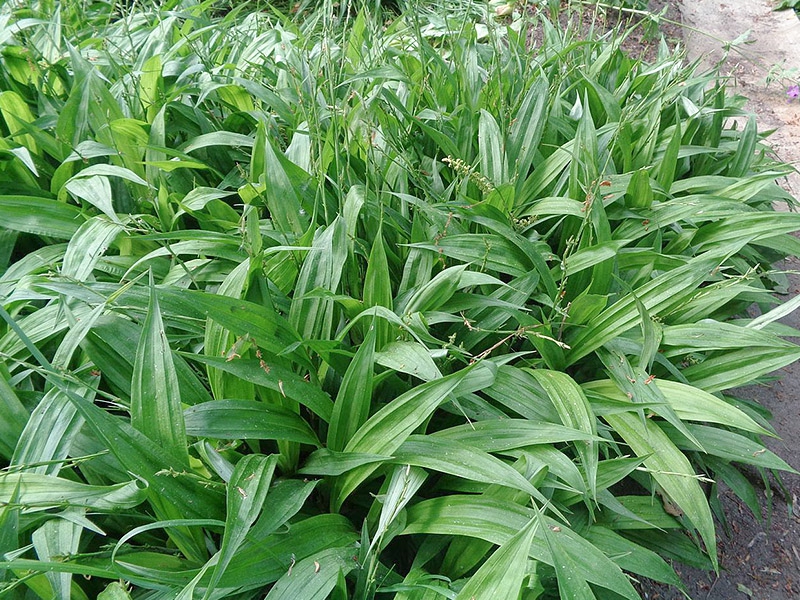
Carex siderosticta is a perennial plant primarily distributed in Asia. The following is information regarding the growth characteristics, propagation methods, cultivation methods, garden uses, and major pests and diseases and control methods. Growth Characteristics - Environment: Carex siderosticta thrives in partial shade and is particularly good in moist soil. - Size: It typically grows to a height of 30 to 50 cm. - Leaves: The leaves are broad and long, resembling a ribbon; their color ranges from bright green to a slightly yellowish tint. Propagation Methods - Seeds: It can be propagated by seeds, but this process is relatively time-consuming and may not be efficient. - Division: It is propagated by dividing the roots, usually in spring or autumn. Division is the most commonly used method for propagating Carex siderosticta. Cultivation Methods - Soil: Well-drained soil that retains moisture well is suitable. - Watering: It prefers moist soil, but excessive watering is not beneficial. Take care to prevent the soil from drying out. - Fertilizer: It is recommended to apply an appropriate amount of fertilizer during the growing season. Avoid excessive use of fertilizer. Uses in the Garden - Border Planting: Plant along the edges or borders of the garden to harmonize with other plants. - Ground Cover: Since it spreads widely, it is also used as ground cover. - Decorative Role: Its unique leaf color and shape make it suitable for ornamental purposes. Important Pests and Control Methods - Pests and Diseases: While the Great White-flowered
Plant Type
Plant Family
Cyperaceae
Height
30cm
Spread
Colors
green
Bloom Period
April to June
Water Needs
commonly
Exposure
semi-shaded area
Freezing Resistance
-10°C
musk thistle
Carduus nutans
Mountain sedge
Carex shimidzensis