English
한국어
English
Español
中文
हिंदी
Home
News
Community
Dictionary
English
한국어
English
Español
中文
हिंदी
View list
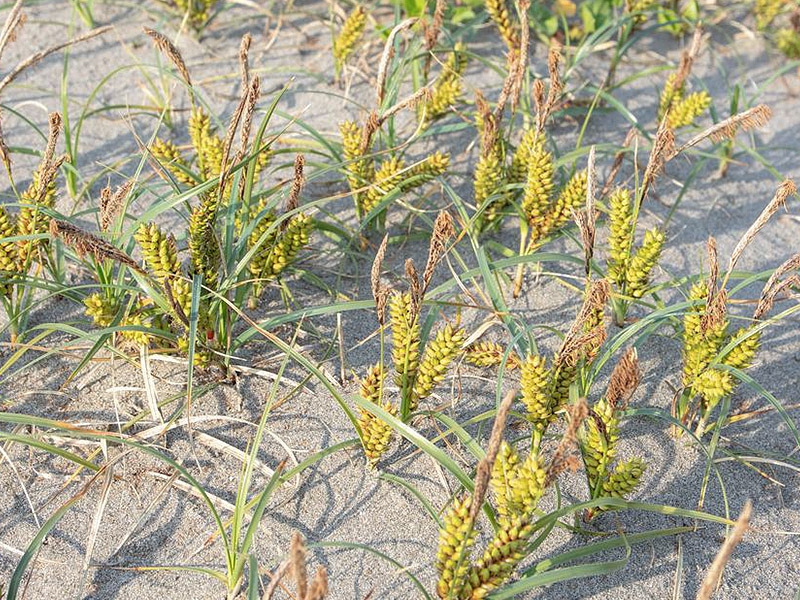
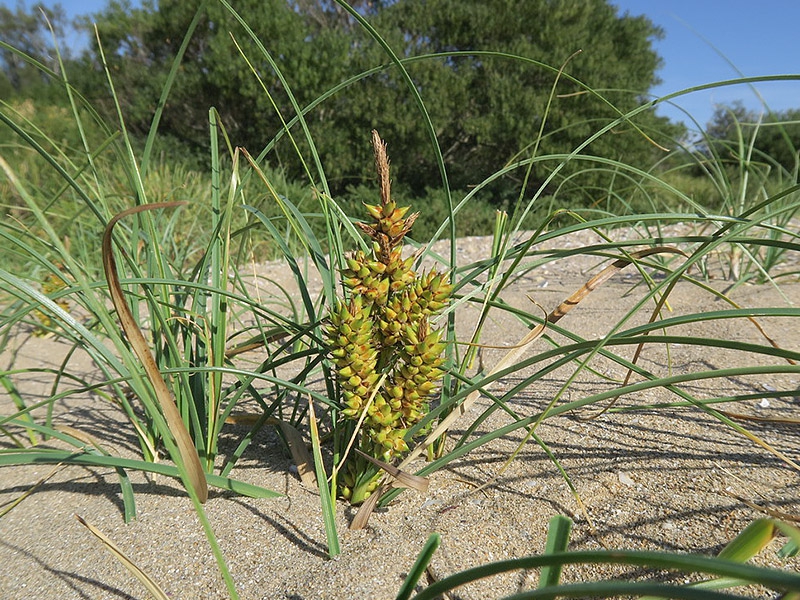
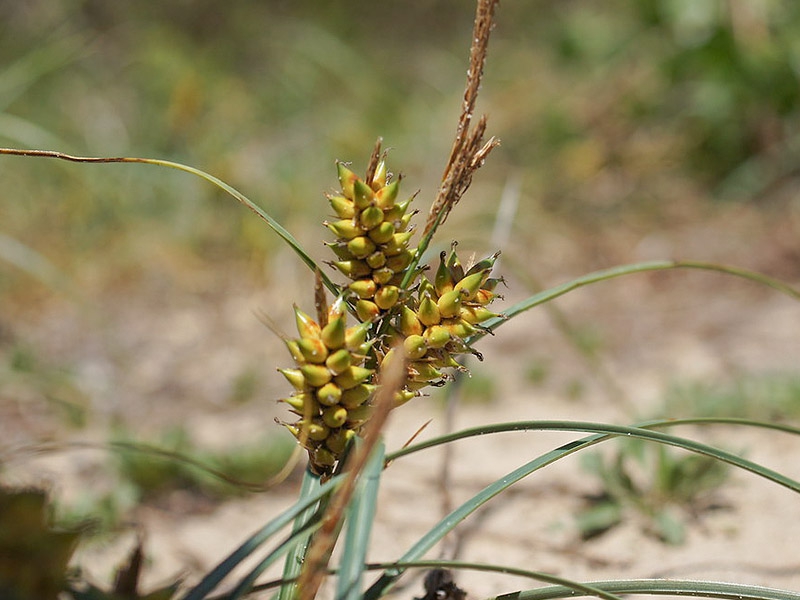
Small barnyard grass
Carex pumila
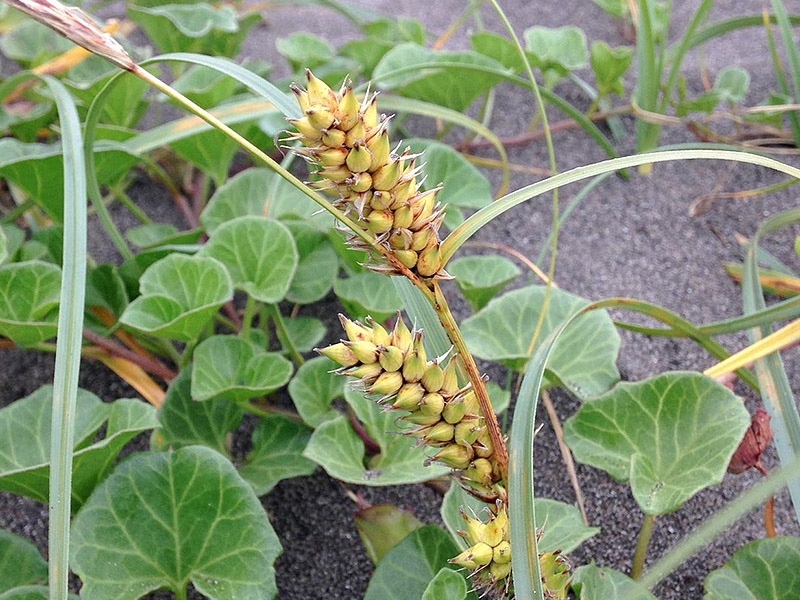
I will explain the growth characteristics, propagation methods, cultivation methods, garden uses, and major pests and diseases and control methods of Carex pumila. Growth Characteristics Carex pumila is an evergreen perennial plant that thrives primarily in saline environments, such as coastal sandy areas. It grows to a height of approximately 10 to 30 cm, and its leaves are narrow, long, and linear in shape. It is relatively easy to care for and adapts well to various environmental conditions. Propagation Methods Carex pumila is mainly propagated by root division and seed sowing. For seed sowing, germination is rapid, so it is best to sow in early spring. Root division can be done in spring or autumn, and the cut sections should be planted immediately in a new location. Cultivation Methods Due to its excellent management and adaptability to the environment, it does not require special care. It prefers well-drained soil and sunny locations, but it also grows well in partial shade. Although it is drought-tolerant, it is recommended to water it sufficiently during dry periods. Use in Gardens Sedges are suitable as ground cover for boundaries or slopes due to their low height and stable growth. They also blend well in coastal gardens or gravel gardens. Their ability to adapt to diverse environments makes them useful when creating a green forest-like landscape. Important Pests and Control Methods Sedges are relatively resistant to pests and diseases, but they can be susceptible to fungal diseases in humid environments. In such cases, it is important to remove diseased parts and ensure a well-ventilated environment. Additionally, pests can be controlled using insecticides if necessary. Please consider these characteristics and utilize them appropriately for your garden or landscape.
Plant Family
Cyperaceae
Height
10~25cm
Colors
brown, yellow
Bloom Period
May~June
Water Needs
commonly
Exposure
Sunny
Freezing Resistance
-30°C
Mountain sedge
Carex shimidzensis
needle sedge
Carex onoei