English
한국어
English
Español
中文
हिंदी
Home
News
Community
Dictionary
English
한국어
English
Español
中文
हिंदी
View list
Jirisaechoseo
Carex okamotoi
f.
variegata
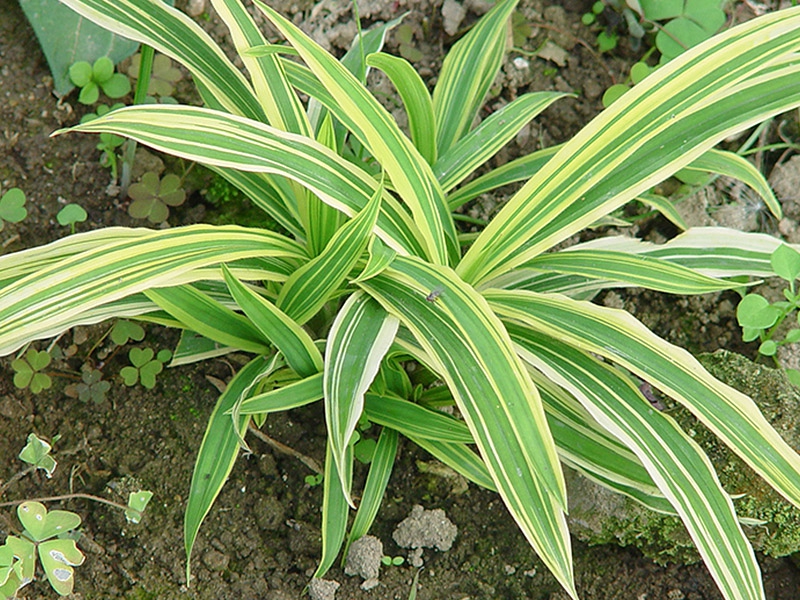
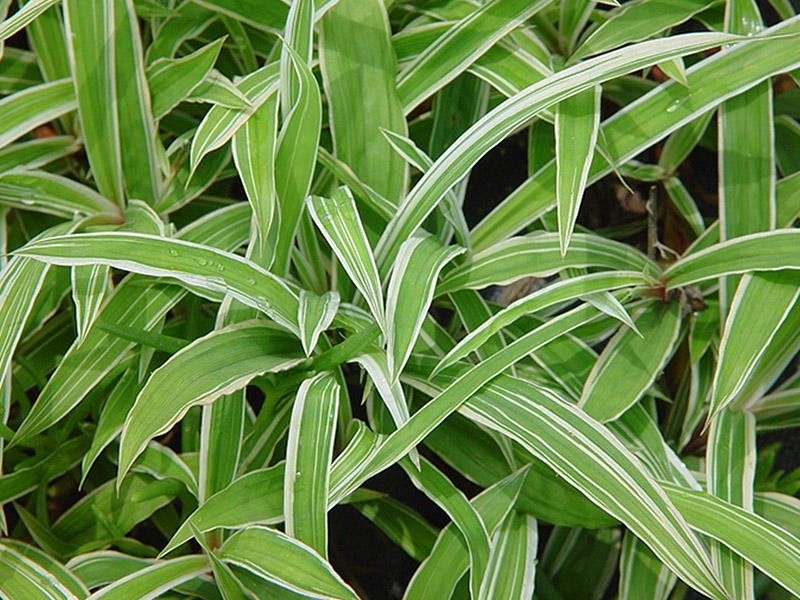
Carex okamotoi is a perennial plant native to Japan. It is particularly known for the beauty of its leaf patterns. Growth CharacteristicsIts leaves stand out due to their white or cream-colored striped patterns. This form is a low, canopy-like plant that grows to about 20–30 cm in height, forming a dense, bellflower-like shape. Propagation MethodsPropagation is primarily achieved through division. It is best to divide in the spring or autumn; when the roots and stems are sufficiently developed, carefully separate the plants without damaging them and plant them in appropriate soil and locations. Propagation by seeds is also possible, but due to the nature of variant species, it may be difficult to maintain desired characteristics. Cultivation Methods - Soil and Location: This plant prefers well-draining soil. It thrives in conditions where the plant is robust, retains moisture, but does not water excessively. Since it grows well in partial shade, a slightly shaded location is preferable to direct sunlight. 2. Watering: Water regularly and consistently, but be careful not to overwater. Pay particular attention to keeping the soil from drying out, especially during the hot summer months. - Fertilization: Fertilizing once or twice during the growing season is sufficient. Avoid excessive use of fertilizer. Garden UsesIt is used to provide a refreshing change of greenery in shaded gardens or botanical gardens. It is excellent as a border plant or low-growing cover and blends well with other semi-shade foliage plants. It is suitable for small gardens, rock gardens, and riparian areas. Important Pests and Control Methods - Diseases: Fungal diseases such as root rot may occur. To prevent this, ensure good ventilation and avoid overwatering. - Pests: Pests such as aphids can be a problem. If found, use appropriate pest control products or consider methods to attract natural predators. With proper care and attention, the Japanese spindle tree is a plant that can greatly contribute to making a garden beautiful. It can add variety and vibrancy to the garden, and the beautiful patterns of its leaves provide natural beauty to any space.
Plant Type
Plant Family
Cyperaceae
Height
15~40cm
Spread
Colors
white
Bloom Period
April~May
Water Needs
commonly
Exposure
Sunny
Freezing Resistance
-10°C
needle sedge
Carex onoei
Cat's-eye
Carex neurocarpa