English
한국어
English
Español
中文
हिंदी
Home
News
Community
Dictionary
English
한국어
English
Español
中文
हिंदी
View list
Carex
Carex laevissima
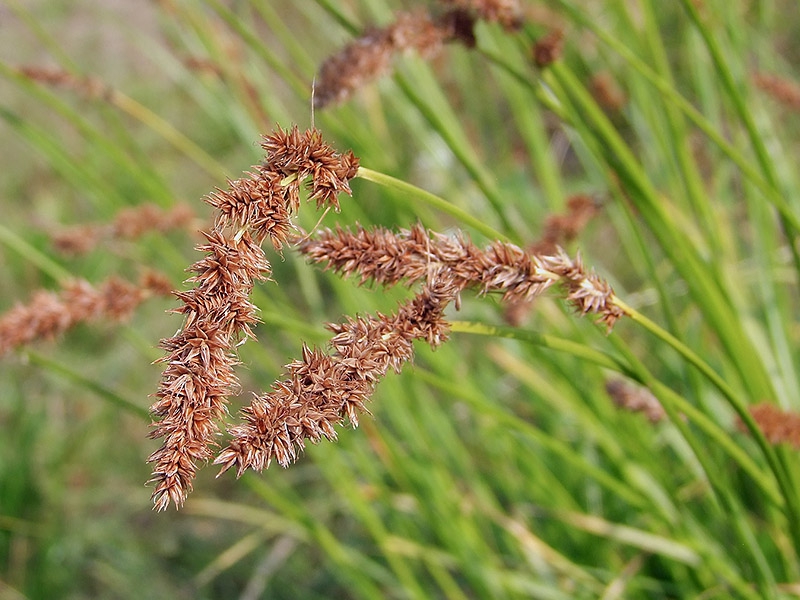
Carex laevissima is a perennial plant belonging to the Cyperaceae family that thrives primarily in moist environments. The following describes the plant's main growth characteristics, propagation methods, cultivation methods, garden uses, major pests and diseases, and control methods. Growth Characteristics - Habitat: Grows well in moist, well-drained soil. - Sunlight Conditions: Grows well in partial shade; it is best to avoid excessively strong sunlight. - Height: Grows to approximately 30 to 60 cm. - Leaves: Has long, slender leaves. Propagation Methods - Seeds: Propagation is possible by seeds. Sow seeds in spring or autumn to germinate. - Root Division: Propagate by dividing roots in spring or autumn. Select healthy roots and plant them in a new location. Cultivation Methods - Soil: Well-drained soil rich in organic matter is ideal. - Watering: Water regularly, ensuring good drainage to prevent excessive moisture. - Fertilization: Apply solid or liquid fertilizer during the spring and summer. - Removal: Regularly remove dead leaves or diseased parts to maintain health. Garden Use - Landscape Creation: Useful for adding a natural feel to watersides or wetlands. - Applications: Suitable for natural gardens, biotopes, and eco-gardens. Important Pests and Control Methods - Pests and Diseases: Generally resistant to pests and diseases, leaf blight or insect damage may occur occasionally. - Control Methods: - Improve Drainage and Aeration: Create an environment that prevents these problems. - Natural Insecticides: Apply eco-friendly insecticides when necessary. - Preventive Measures: Early detection and removal through regular inspections are important. Based on this information, proper care of Carex raibisima will allow you to create a healthy and beautiful garden.
Plant Type
Plant Family
Cyperaceae
Height
15~50cm
Spread
Colors
green
Bloom Period
May to July
Water Needs
commonly
Exposure
Sunny
Freezing Resistance
-30°C
Mountain cattail
Carex leiorhyncha
Tongborisacho
Carex kobomugi