English
한국어
English
Español
中文
हिंदी
Home
News
Community
Dictionary
English
한국어
English
Español
中文
हिंदी
View list
Nadobyeolsaecho
Carex gibba
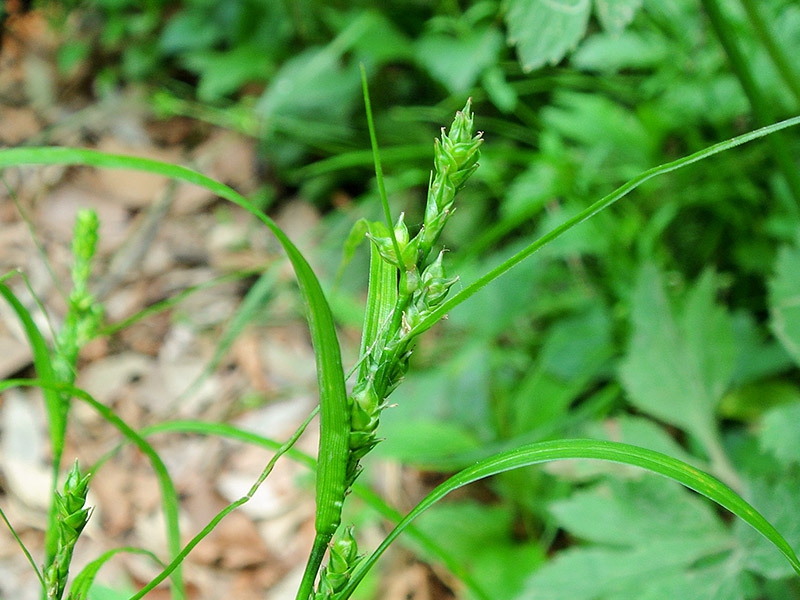
Carex gibba is a perennial plant native to East Asia, including Korea, and grows primarily in wetlands or near water. The following covers the growth characteristics, propagation methods, cultivation methods, garden uses, and important pests and diseases, as well as control methods. Growth Characteristics - Environment: Carex gibba prefers humid environments and thrives in sunny locations. - Soil: It requires well-drained soil, but maintaining consistent moisture is important. - Growth Rate: It grows relatively quickly and can reach a height of approximately 30 to 60 cm. Propagation Methods - Seeds: It can be propagated by seeds; sowing in spring or autumn is recommended. - Division: Propagating by dividing the roots in spring is also an effective method. Cultivation Methods - Planting: Plant in well-drained, moist soil. - Watering: Proper watering is necessary to prevent the soil from drying out. It requires more water, especially during the summer. - Pruning: Pruning regularly helps maintain its shape and promotes healthy growth. Uses in the Garden - Landscaping: It is well-suited for natural pond edges or wetland gardens. - Ground Cover: It forms low vegetation, making it suitable as a ground cover plant. Important Pests and Control Methods - Diseases: While specific diseases rarely occur, care must be taken to prevent root rot caused by excessive watering. - Pests: It is highly resistant to common pests, but if pest issues arise, use appropriate insecticides. - Care: Prevent pest infestations through regular ventilation and maintaining proper spacing. Sedges adapt well to wetland and waterside environments and are popular for landscaping. Healthy growth can be promoted through continuous care and the creation of a suitable environment.
Plant Type
Plant Family
Cyperaceae
Height
30~70cm
Spread
Colors
green
Bloom Period
May~June
Water Needs
commonly
Exposure
Sunny
Freezing Resistance
-15°C
Chamsatgatsacho
Carex jaluensis
Sedge
Carex dimorpholepis