English
한국어
English
Español
中文
हिंदी
Home
News
Community
Dictionary
English
한국어
English
Español
中文
हिंदी
View list
Gamdungsaecho
Carex atrata
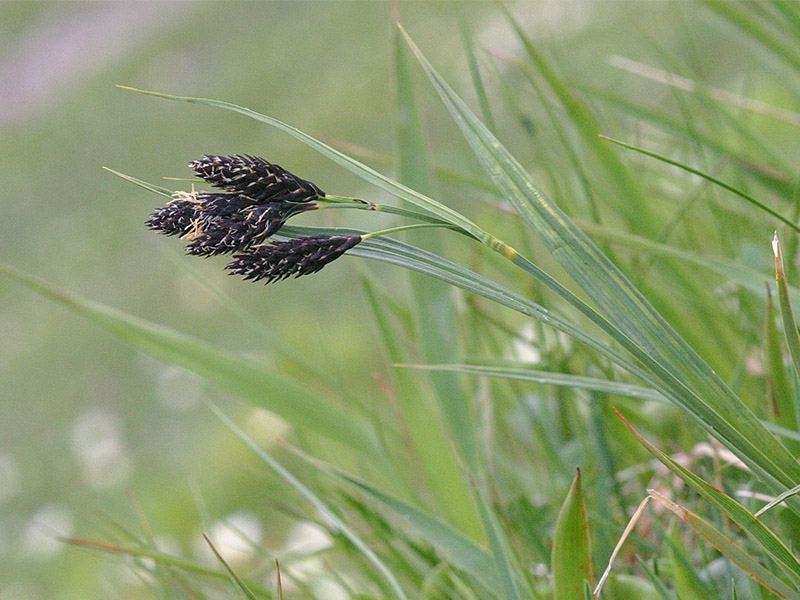
Carex atrata is a perennial herb frequently found in mountainous or alpine regions that thrives in humid environments. This plant possesses the following characteristics regarding growth, propagation, cultivation, garden uses, major pests, and control methods. - Growth Characteristics: - Carex atrata grows well primarily in moist soil in high mountainous areas and thrives even in shade. - The leaves are narrow and elongated, and are dark green in color. - Flowers bloom in the summer and usually appear in the form of small, dark brown spikes. - Propagation Methods: - It can be propagated by seeds; seeds can be collected from mature spikes and sown in autumn or early spring. - Propagation is also possible through root division. To do this, divide and plant the roots of a mature plant in early spring or autumn. 3. Cultivation Methods: - Since Carex kobomugi thrives in moist, well-drained soil, it is important to maintain this environment. - Providing adequate shade promotes healthier growth. - It is best to apply an appropriate amount of fertilizer in the spring, and excessive fertilization should be avoided. - Use in Gardens: - Suitable for shaded or wetland gardens, it can be planted alongside wildflowers to create a natural look. - As it grows in colonies, it can be used as a boundary plant. - Major Pests and Control Methods: - Generally, it is relatively resistant to pests and diseases, but root rot may occur during the rainy season due to humidity. - To prevent root rot, it is important to maintain well-drained soil. - Pests and diseases can be prevented through periodic ventilation and humidity control. Carex kobomugi adapts well to its surroundings and is a plant that can add a unique charm to your garden. With proper care and environment, it can grow well and healthily.
Plant Type
Plant Family
Cyperaceae
Height
20~80cm
Spread
Colors
Black, brown
Bloom Period
July~August
Water Needs
commonly
Exposure
Sunny
Freezing Resistance
-30°C
Goblin sedge
Carex dickinsii
broad-leaved sedge
Carex xiphium