English
한국어
English
Español
中文
हिंदी
Home
News
Community
Dictionary
English
한국어
English
Español
中文
हिंदी
View list
sedge
Carex vesicaria
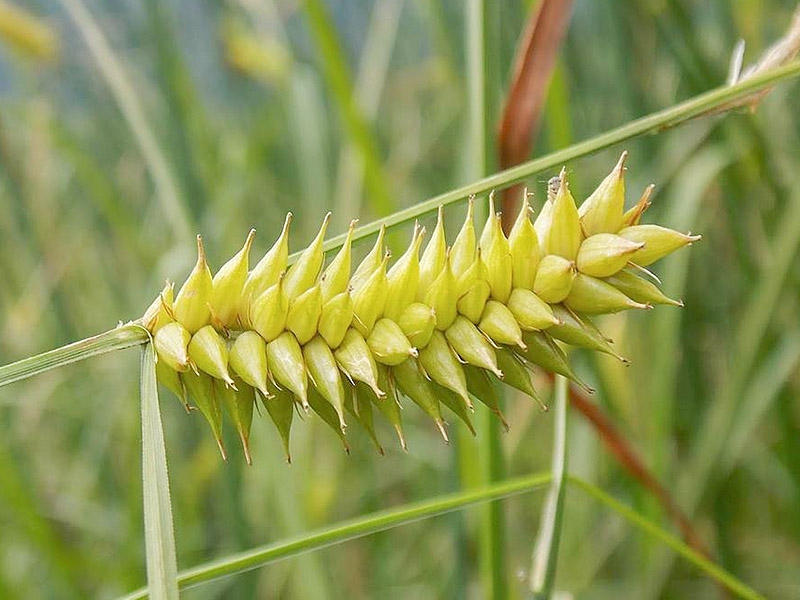
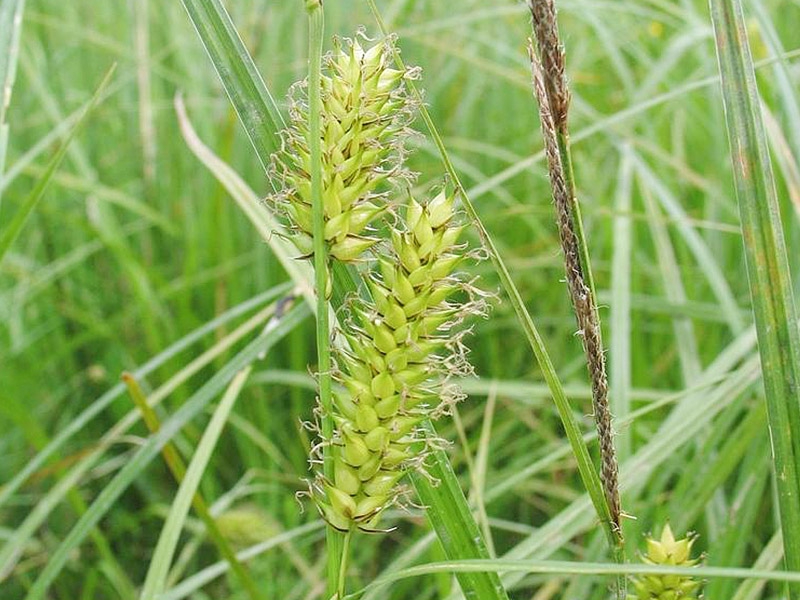
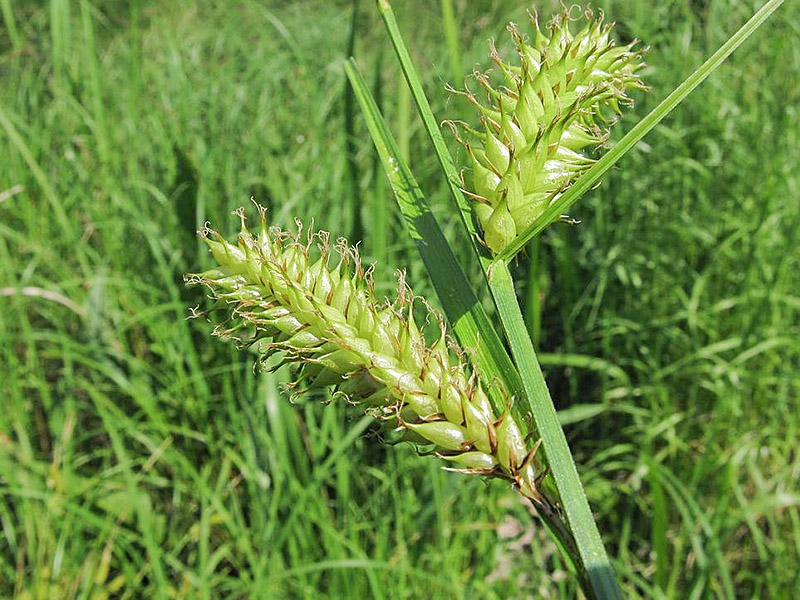
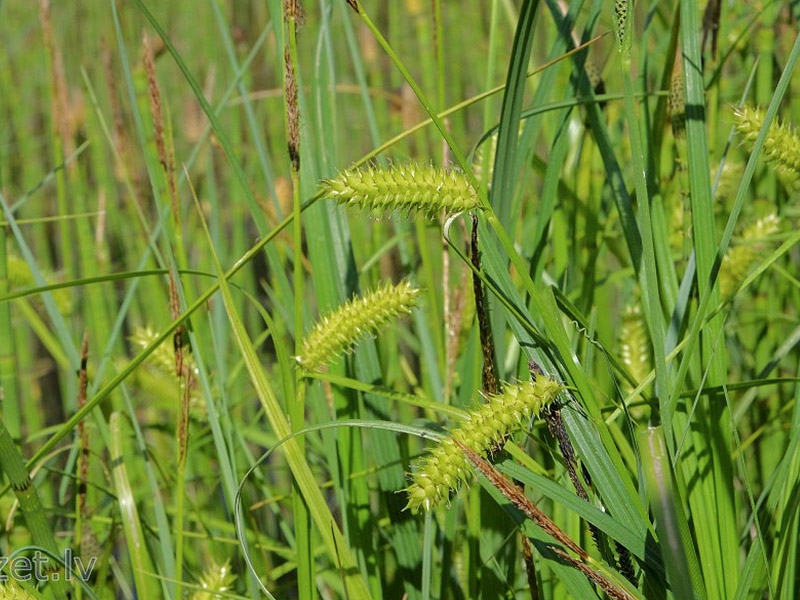
Growth Characteristics Carex vesicaria is a perennial herb that primarily grows in well-watered areas such as wetlands and pond edges. It typically grows to a height of 30 to 100 cm, and its leaves are slender and elongated. Spikes of flowers bloom in the summer. Propagation Methods Carex vesicaria is mainly propagated by seeds, but division is also an effective method. It is best to sow seeds in the spring, and division should be performed in spring or early autumn. Cultivation Methods - Soil Conditions: Moist and well-drained soil is suitable. It grows particularly well at pond edges or in areas with heavy rainfall. - Sunlight: It grows well in partial shade to full sun, but growth is more vigorous in areas with sufficient sunlight. - Watering: As a water-loving plant, water thoroughly, especially during dry periods. - Fertilizer: Generally, it does not require much fertilizer, but applying a small amount of slow-release fertilizer in the spring can promote growth. Uses in the Garden Sedges are ideal for decorating watersides in the garden and are utilized when creating natural-looking hydroponic gardens. They are also useful for environmental restoration projects and biotope creation. Important Pests and Control Methods While generally resistant to pests and diseases, the following issues may occasionally occur: - Diseases: - Leaf blight: Symptoms may appear where the tips of the leaves turn brown and dry out. Prevent this by ensuring good ventilation and improving drainage. - Pests: - Pest damage is generally minimal, but aphids may occur. In the early stages, wash them off with a stream of water; if the infestation is severe, use an appropriate insecticide. Prioritize periodic monitoring and eco-friendly control methods, using chemical control as a last resort.
Plant Type
Plant Family
Cyperaceae
Height
30~100cm
Spread
Colors
White, brown, green
Bloom Period
June~July
Water Needs
commonly
Exposure
semi-shaded area
Freezing Resistance
-30°C
broad-leaved sedge
Carex xiphium
Netgrass
Carex vanheurckii