English
한국어
English
Español
中文
हिंदी
Home
News
Community
Dictionary
English
한국어
English
Español
中文
हिंदी
View list
Sanyangji sedge
Carex ulobasis
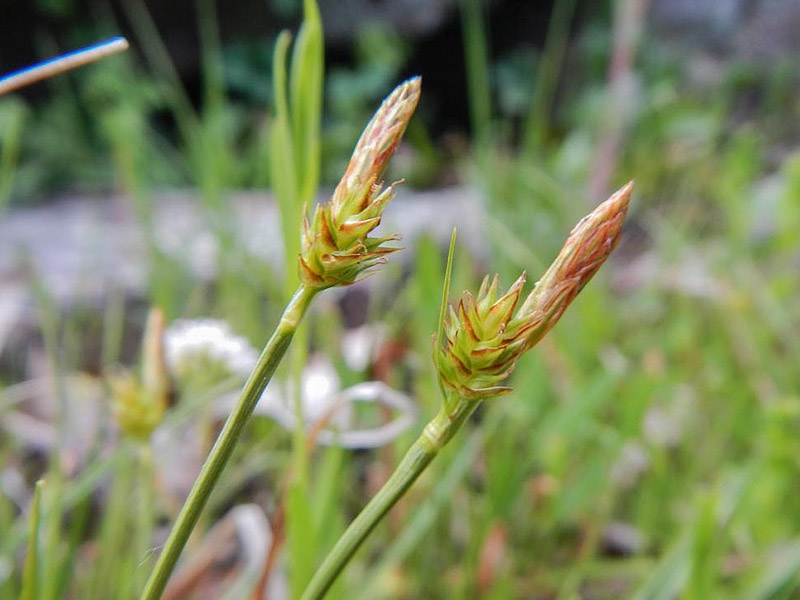
Carex ulobasis is a relatively rare plant with several key growth characteristics and cultivation methods. Growth Characteristics - Ecological Environment: Carex ulobasis thrives primarily in moist environments and can grow in partially shaded areas. - Soil Requirements: It prefers well-drained soil and grows better in acidic soil. Propagation Methods - Seed Propagation: Sowing seeds in the spring is the common method. Maintaining consistent humidity is important to promote germination. - Division Propagation: It can be propagated by dividing root clumps; this method can be used in spring or autumn. Cultivation Methods - Planting: Allow sufficient space when planting, and fertile soil and adequate moisture supply are particularly important. - Care: Maintain a consistent moisture supply and apply top dressing as needed. Use in the Garden - Landscape Creation: Ulovasis can be used in shaded or wetland gardens, and its long leaves and unique shape can beautifully enhance the landscape. - Windbreak: It can also be used as a windbreak alongside other plants. Important Pests and Control Methods - Diseases: Excessive moisture can lead to fungal diseases. In this case, drainage should be improved, and affected parts should be removed. - Pests: While not a major issue, common garden pests can cause damage. Management requires regular observation and appropriate control when necessary. If maintained with proper garden care and an appropriate environment, Ulovasis can be an attractive garden plant.
Plant Family
Cyperaceae
Height
20~40cm
Colors
White, brown, green
Bloom Period
June
Water Needs
commonly
Exposure
semi-shaded area
Freezing Resistance
-30°C
Ssaragi sedge
Carex ussuriensis
dogwood
Carex uda