English
한국어
English
Español
中文
हिंदी
Home
News
Community
Dictionary
English
한국어
English
Español
中文
हिंदी
View list
Bead sedge
Carex tegulata
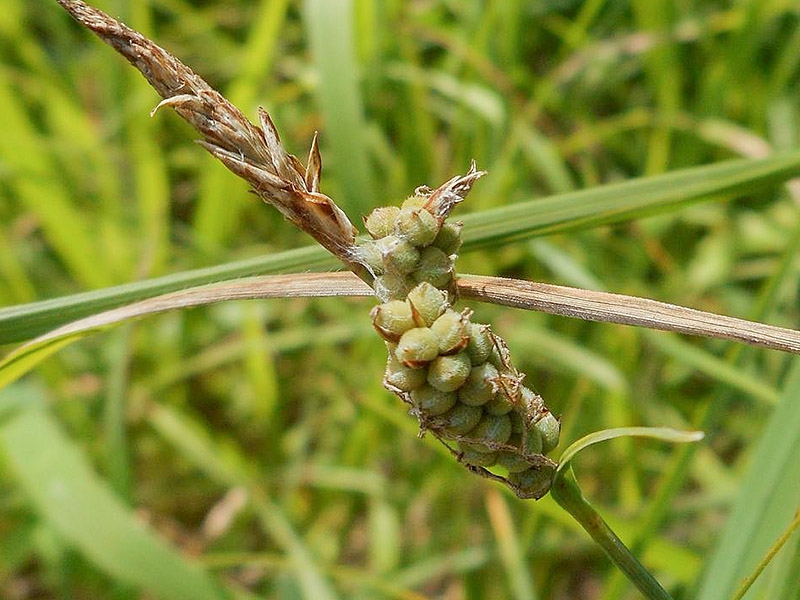
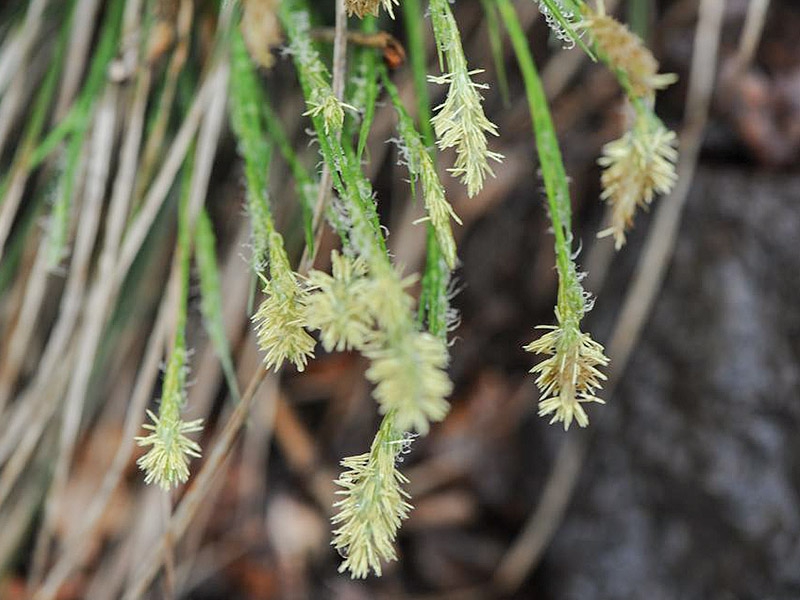
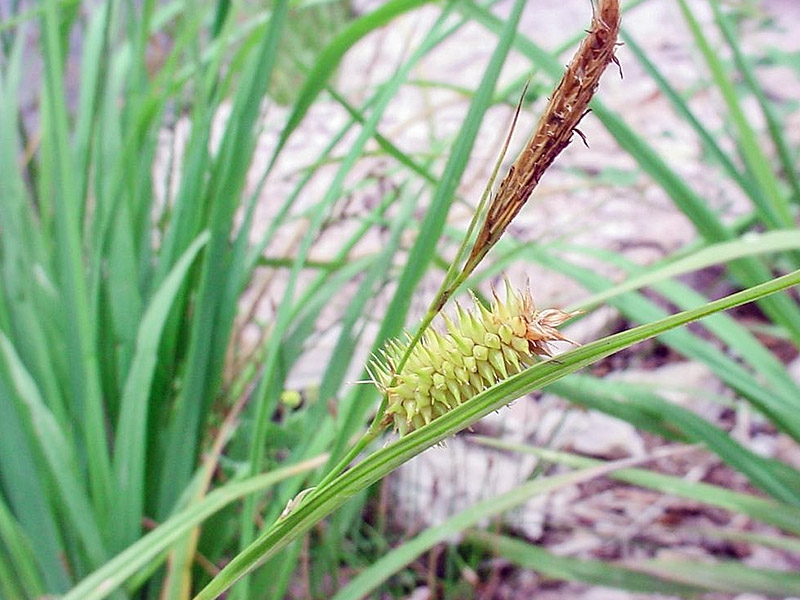
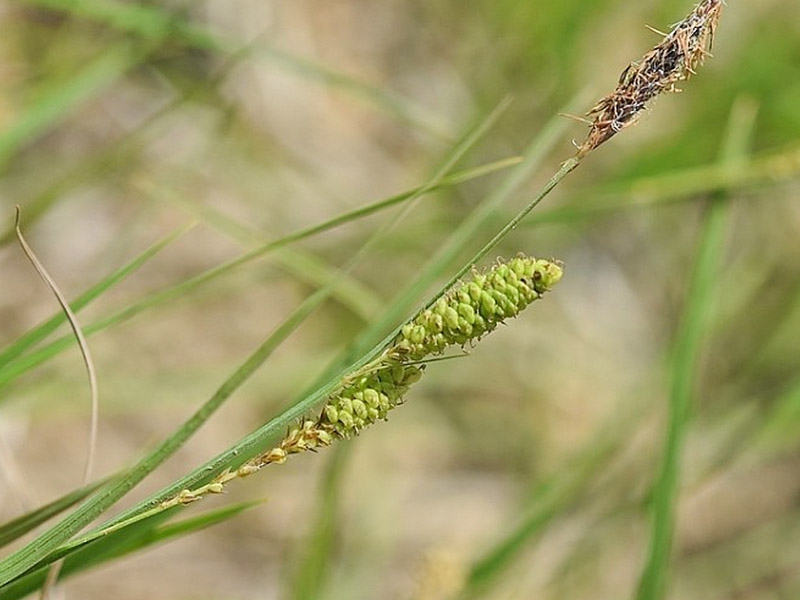
Carex tegulata is a perennial herbaceous plant that thrives in a variety of environments. The following is information regarding the main characteristics and care methods of this plant. - Growth Characteristics: - Carex tegulata prefers humid environments and grows well primarily in wetlands or near water. - It reaches a maximum height of about 30 to 60 cm and grows in clumps similar to grass. - The leaves are long and slender, with a light green color. - Propagation Methods: - This plant can be propagated by seeds and root division. - It is best to sow seeds in the spring, and the germination period is about 2 to 3 weeks. - Root division can be performed in the spring or autumn; mature plants should be divided into multiple individuals and planted immediately. - Cultivation Methods: - Carex tegulata grows well in moderate sunlight or partial shade. - It must be planted in well-draining soil, and special care must be taken to avoid overwatering. - Watering should be adjusted according to soil conditions; generally, it is best to water when the soil is slightly dry. - Use in the Garden: - This plant is used in the garden to define boundaries or to cover damp areas. - It fits well with a natural garden style and harmonizes with other flowering plants. - Important Pests and Control Methods: - Sedge tegulata is relatively resistant to pests and diseases, but care must be taken to prevent root rot caused by overwatering. - Ensure good soil drainage, and a simple fungicide can be used if necessary. - For pest control, maintain proper air circulation and periodically check the leaves; if pests are found, remove them immediately. Sedge tegulata is relatively easy to care for, making it highly versatile for garden use. With proper care, you can maintain a healthy and beautiful plant.
Plant Family
Cyperaceae
Height
20~40cm
Colors
White, brown, green
Bloom Period
May~June
Water Needs
commonly
Exposure
semi-shaded area
Freezing Resistance
-30°C
Polygonum aviculare
Carex teinogyna
Jindo sedge
Carex taihokuensis