English
한국어
English
Español
中文
हिंदी
Home
News
Community
Dictionary
English
한국어
English
Español
中文
हिंदी
View list
slender-scaled sedge
Carex suifunensis
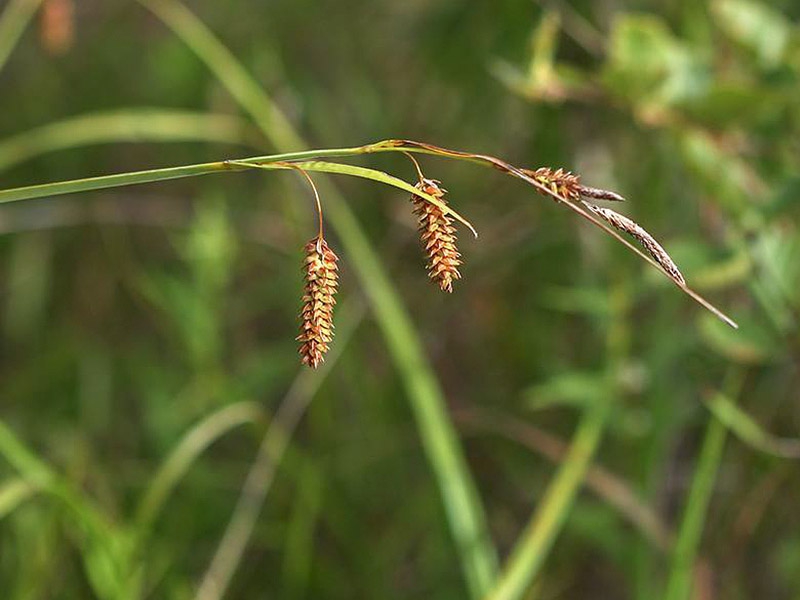
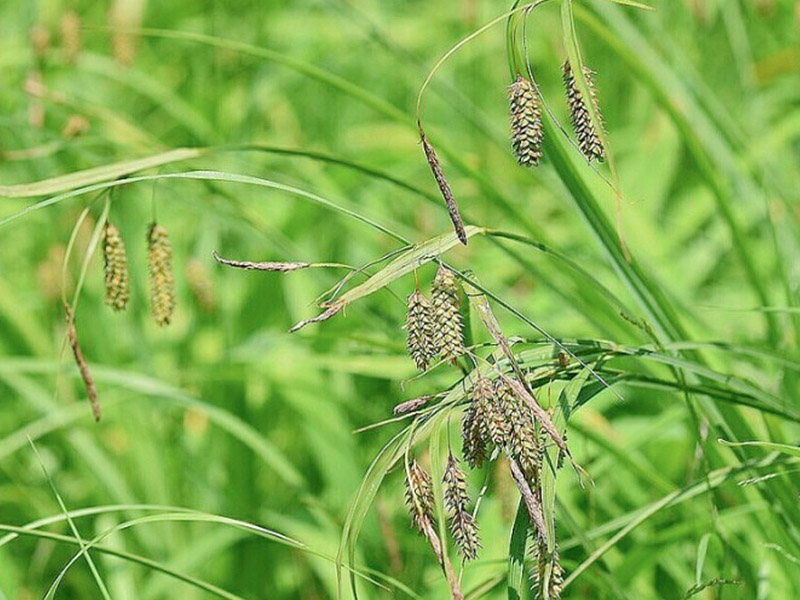
I will explain the growth characteristics, propagation methods, cultivation methods, garden uses, and major pests and diseases and control methods of Carex suifunensis. Growth Characteristics Carex suifunensis thrives primarily in moist areas and can grow in both full sun and partial shade. Its well-developed roots are advantageous for soil stabilization. As is typical of sedges, it grows in colonies. Propagation MethodsIt is mainly propagated by seeds and division (root division). Seeds are sown in the spring, and the germination rate is relatively high. Division is possible in the spring or autumn. Care must be taken to avoid damaging the roots during division. Cultivation Methods Carex suifunensis prefers moist soil, so soil that drains well while maintaining moderate moisture is suitable. Water regularly to prevent the soil from drying out. It is recommended to apply an appropriate amount of organic fertilizer in the spring and autumn. Use in Gardens It is primarily used as ground cover and is suitable for creating landscapes around waterfronts. It is also highly versatile for natural garden styles and ecological gardens. Important Pests and Control Methods While Carex scaber is relatively resistant to pests and diseases, leaf blight and gray mold may occur. If disease occurs, remove diseased leaves and improve ventilation. Pests may include mites and aphids; eco-friendly insecticides can be used to control them. For prevention, periodically inspect the plant's condition and ensure thorough watering and ventilation management. Based on this information, you can cultivate Carex scaber healthily and utilize it effectively in your garden.
Plant Family
Cyperaceae
Height
45~70cm
Colors
White, brown, green
Bloom Period
May to July
Water Needs
commonly
Exposure
semi-shaded area
Freezing Resistance
-20°C
Jindo sedge
Carex taihokuensis
Cloud sedge
Carex subumbellata
var.
koreana