English
한국어
English
Español
中文
हिंदी
Home
News
Community
Dictionary
English
한국어
English
Español
中文
हिंदी
View list
Baby sedge
Carex subspathacea
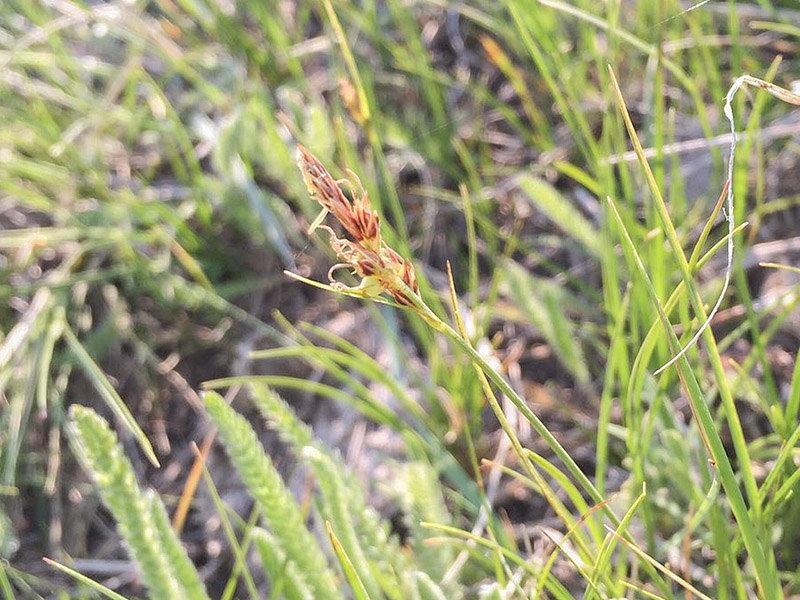
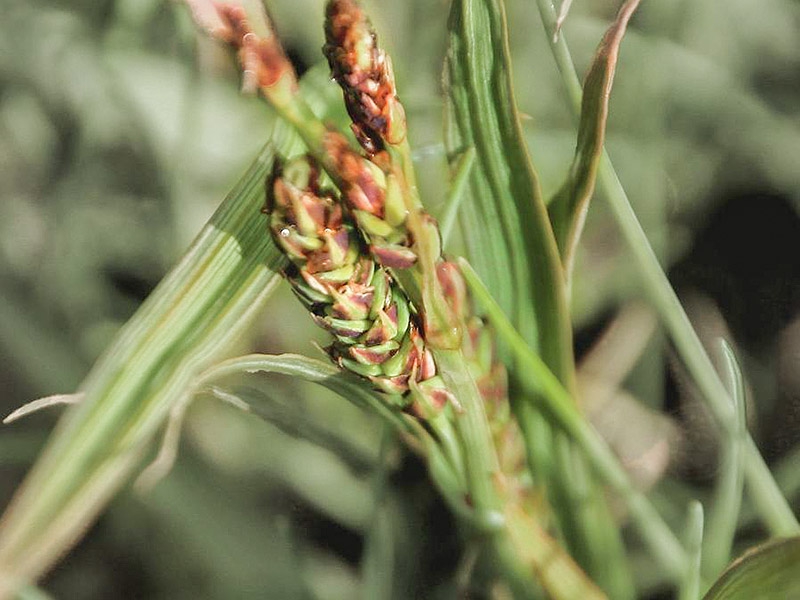
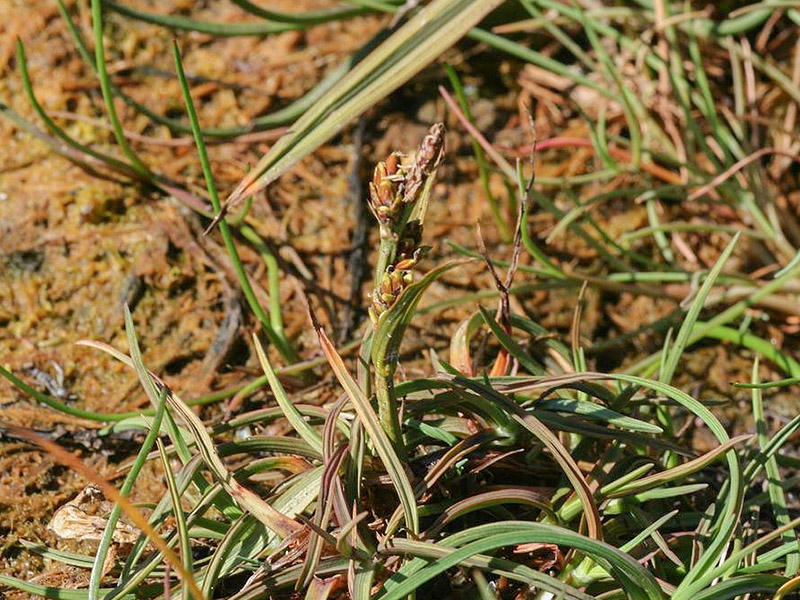
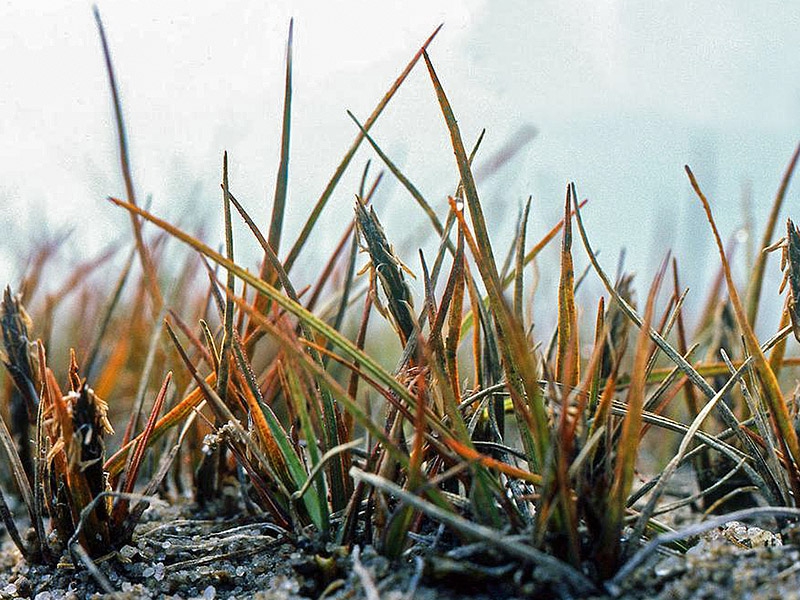
Carex subspathacea is a plant attracting attention due to the characteristics observed in its natural habitat and growing environment, as well as its potential for cultivation in gardens. Below, we will summarize the growth characteristics, propagation methods, cultivation methods, garden uses, and important pests and diseases, as well as control methods for Carex subspathacea. Growth Characteristics Carex subspathacea thrives primarily in humid environments, such as wetlands or coastal areas. This perennial herbaceous plant grows to a height of approximately 10 to 30 cm, maintaining a relatively low stature. Its stems are erect, and it has the characteristic of growing in clumps from the roots. Propagation Methods This plant can be propagated primarily through seed propagation and vegetative propagation (root division). While it spreads by seed germination in its natural state, it can be propagated more efficiently through root division when cultivated in a garden. Cultivation Methods - Soil Selection: Soil that retains moisture well is suitable. Soil that is well-drained yet retains moisture is ideal. 2. Light Conditions: It can grow in both partial shade and full sun, but adequate sunlight conditions are favorable for growth. - Watering: It is important to maintain humidity by watering frequently. Sufficient water must be provided, especially during dry periods. - Temperature Conditions: It is cold-hardy and tolerates cold winters well, but it grows most vigorously in mild climates. Garden Uses Carex japonica is suitable as a ground cover and can be beautifully utilized, especially in wetland gardens or waterside gardens. Additionally, it can be arranged harmoniously with other herbaceous plants to create a colorful green landscape. Important Pests and Control Methods - Diseases: It is generally resistant to diseases, but fungal diseases may occur under excessive humidity or insufficient ventilation. To prevent this, improve ventilation regularly and be careful to avoid direct contact of water with the leaves. - Pests: Small pests such as aphids may occur. In such cases, manage them using soapy water or commercial pest control agents. Carex kobomugi is a relatively easy-to-care-for plant that can thrive without major issues as long as it is provided with a suitable environment. It is gaining popularity among gardeners as it can be utilized in various landscape designs.
Plant Family
Cyperaceae
Height
30cm
Colors
White, brown, green
Bloom Period
June~July
Water Needs
commonly
Exposure
semi-shaded area
Freezing Resistance
-30°C
Cloud sedge
Carex subumbellata
var.
koreana
Yangdeoksa Elementary School
Carex stipata