English
한국어
English
Español
中文
हिंदी
Home
News
Community
Dictionary
English
한국어
English
Español
中文
हिंदी
View list
Yangdeoksa Elementary School
Carex stipata
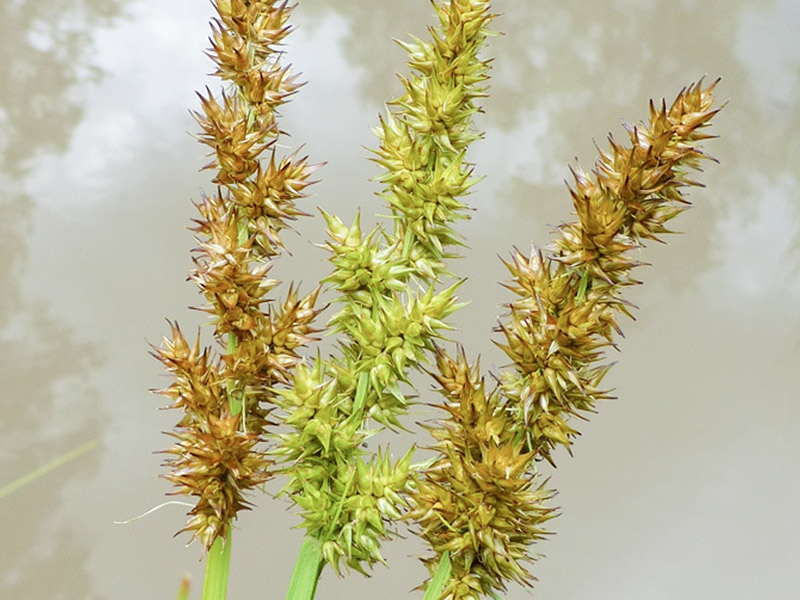
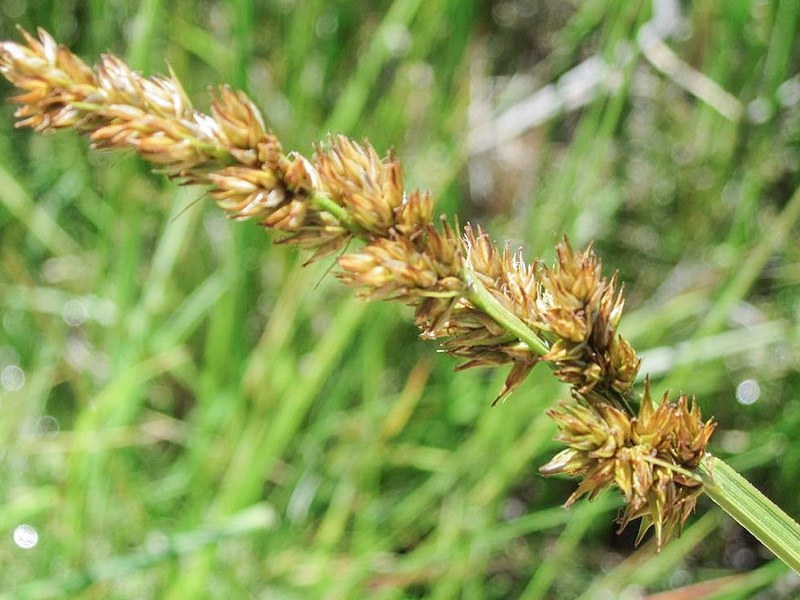
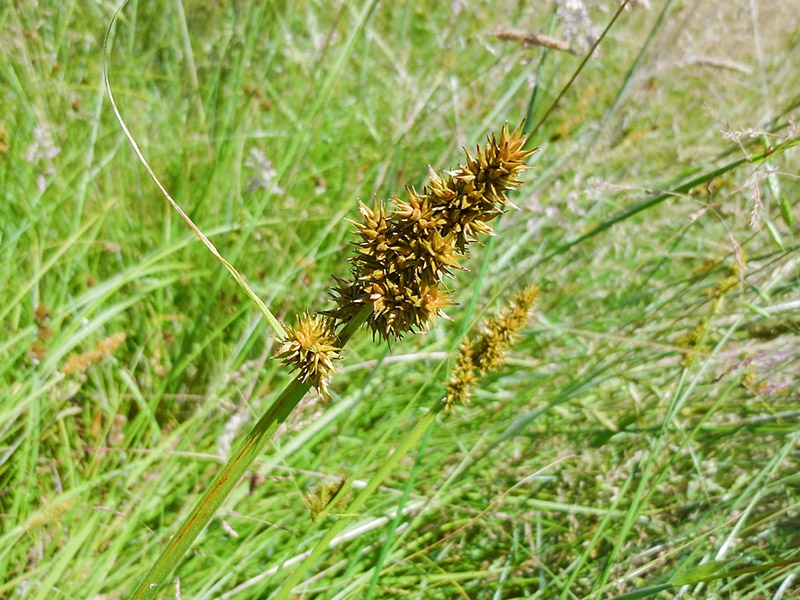
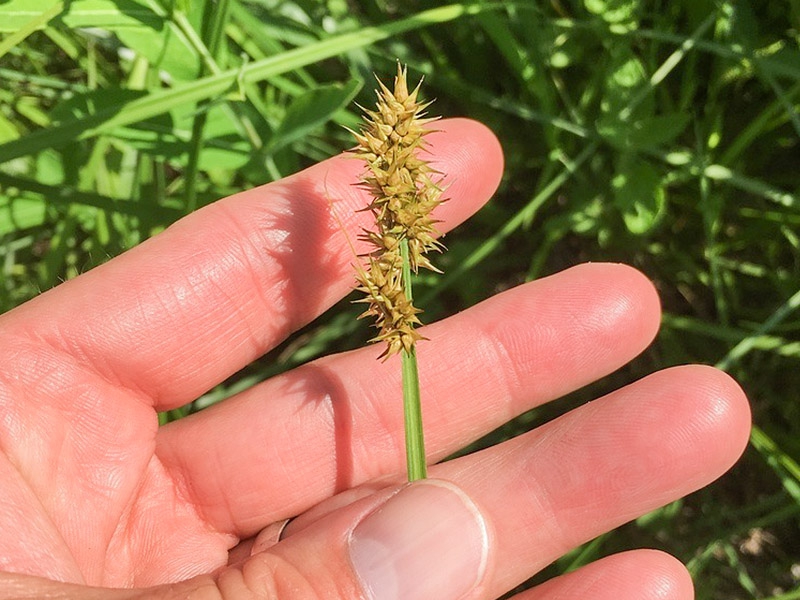
Carex stipata is a perennial herb that thrives primarily in wetlands and riparian areas. The following is information regarding Carex stipata's growth characteristics, propagation methods, cultivation methods, garden uses, and major pests and control methods. Growth Characteristics - Habitat: Carex stipata grows well mainly around wetlands or water's edge. Because it prefers moisture, it can grow healthily in places where the soil remains consistently moist. - Growth Cycle: As a perennial plant, it forms new leaves and flower stalks every year. - Height: It typically grows from 30 cm to 120 cm, though height may vary depending on environmental conditions. Propagation Methods - Seeds: It can be propagated by seeds, and due to its high germination rate, it spreads easily even in natural conditions. - Division: Mature plants can be propagated by dividing them. This is one of the easiest methods, and they are divided and replanted in spring or autumn. Cultivation Methods - Soil: It prefers moist, water-rich soil. It can grow well even in poorly drained soil. - Full Sun/Partial Shade: It grows well in full sun or partial shade, but it is best to avoid areas that are too dry or shady. - Watering: It requires a consistent supply of moisture. You should water it sufficiently, especially during dry periods. Uses in the Garden - Natural Landscapes: It is excellent for adding a natural feel while stabilizing the soil in riparian areas, biotopes, and natural gardens. - Companion Plant: It is relatively easy to care for, making it suitable as a companion plant. Important Pests and Control Methods - Diseases: It is generally resistant to diseases, but mold problems may occur due to excessive moisture. It is important to maintain proper ventilation and drainage. - Pests: Specific pest issues are rare, but like other wetland plants, it may be attacked by snails or aphids. In this case, physical removal or eco-friendly insecticides can be used. Yangdeokseocho is a plant that fits well with natural garden designs and is relatively easy to grow provided proper moisture management and an environment.
Plant Family
Cyperaceae
Height
30~60cm
Colors
White, brown, green
Bloom Period
June~July
Water Needs
commonly
Exposure
Sunny
Freezing Resistance
-30°C
Baby sedge
Carex subspathacea
brown sedge
Carex stenostachys