English
한국어
English
Español
中文
हिंदी
Home
News
Community
Dictionary
English
한국어
English
Español
中文
हिंदी
View list
sedge
Carex
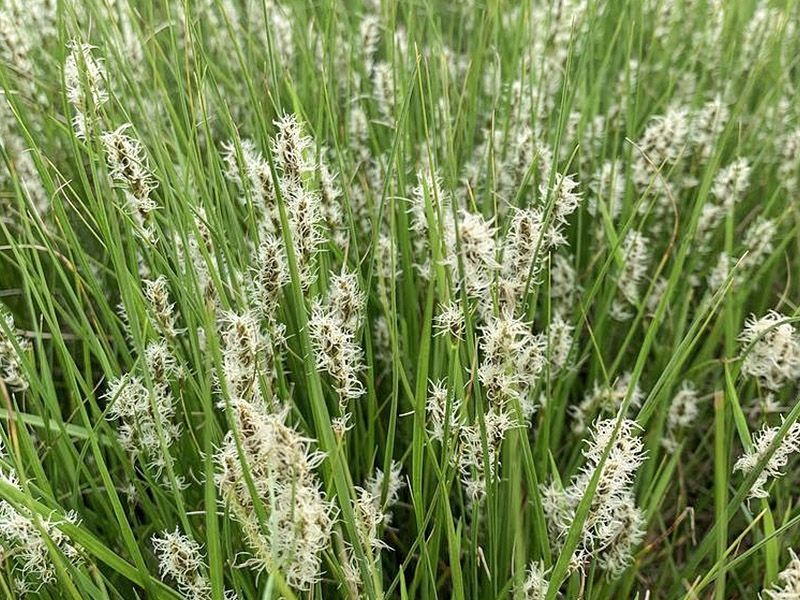
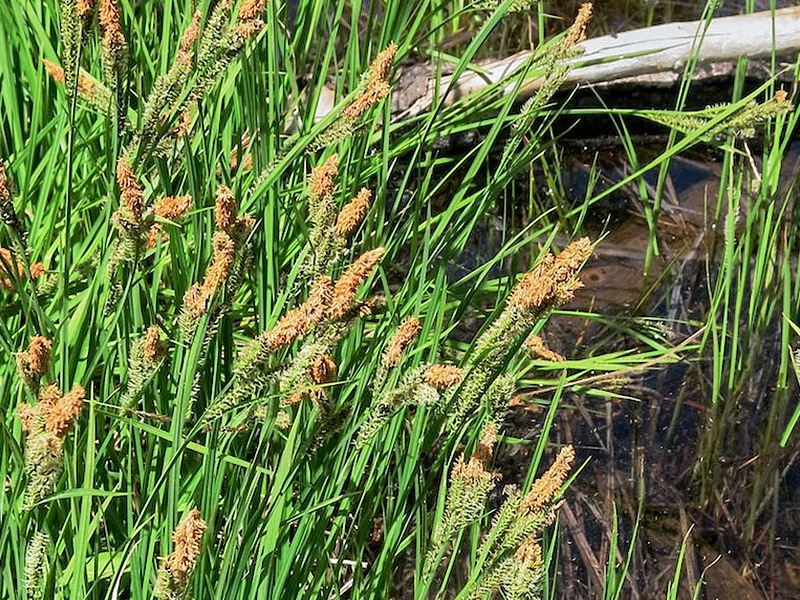
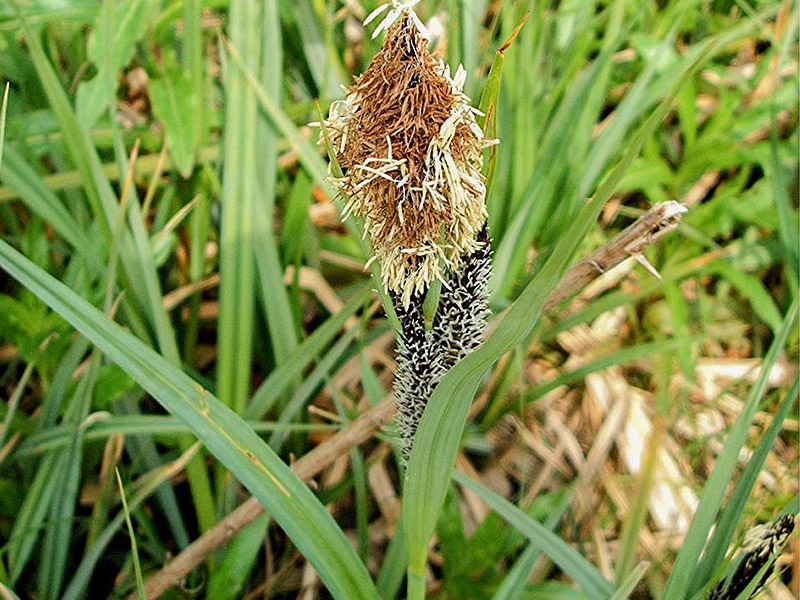
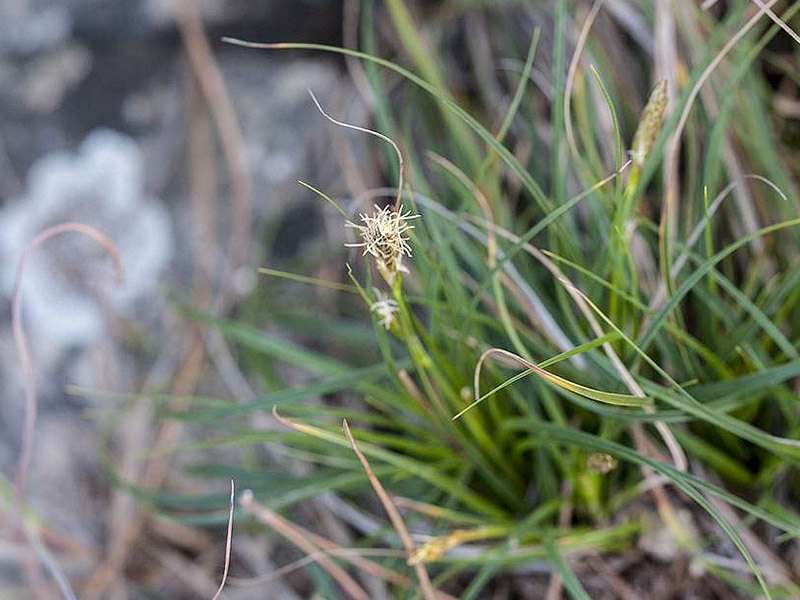
Carex is a perennial herbaceous plant that thrives in a variety of environments, primarily growing in shady and humid places. The following is information regarding the growth characteristics, propagation methods, cultivation methods, garden uses, and major pests and control methods. Growth Characteristics - Carex mainly grows at forest edges, wetlands, and near streams. - While it prefers shade, it grows well even with some direct sunlight. - Its well-developed root system is effective in preventing soil erosion. Propagation Methods - It is generally propagated by root division and seed sowing. - Seeds are sown in spring or autumn, and germination is best when wet. - Root division involves dividing the entire plant and is performed in early spring or late autumn, before the growing season. Cultivation Methods - It grows well in well-drained soil that retains moisture. - Water thoroughly during dry periods. - Periodic removal is necessary to prevent weed proliferation. Uses in the Garden - Sedges are excellent for use as ground cover plants. - They are well-suited for natural or eco-friendly gardens. - Because their roots are firmly established and help stabilize the soil, they can be used in sloping gardens. Important Pests and Control Methods - While generally resistant to pests, root rot or leaf rot may occur due to excessive moisture. - These diseases can be prevented by using well-drained soil and proper ventilation. - Additionally, small pests such as snails may appear; these can be controlled using natural predators or organic pesticides. Sedges are relatively easy to care for, and provided with the right environment and care, they can keep your garden beautiful for a long time.
Plant Family
Cyperaceae
Height
15∼30cm
Colors
green
Bloom Period
April to June
Water Needs
commonly
Exposure
semi-shaded area
Freezing Resistance
-30°C
Smooth-faced sedge
Carex splendentissima
Potaesacho
Carex siroumensis