English
한국어
English
Español
中文
हिंदी
Home
News
Community
Dictionary
English
한국어
English
Español
中文
हिंदी
View list
Chamtuksaecho
Carex schmidtii
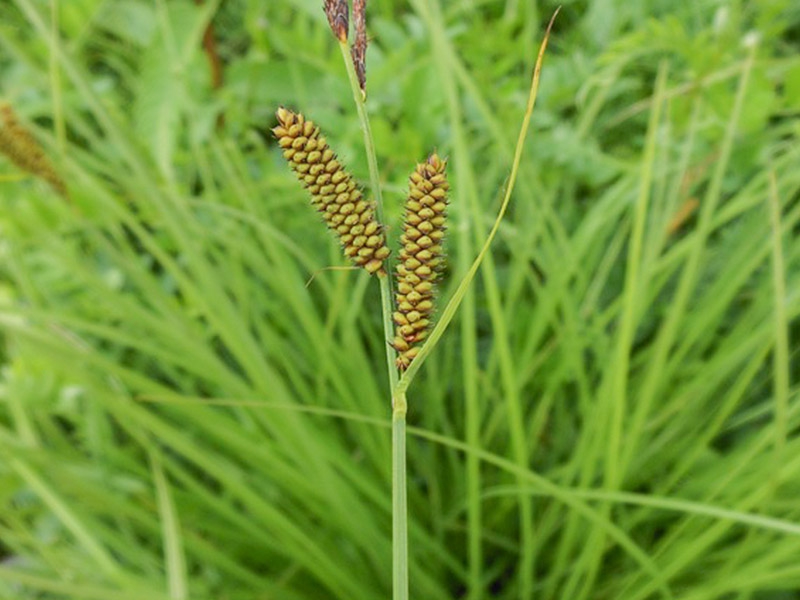
Carex schmidtii is a grass belonging to the Poaceae family and is native to East Asia, including Korea. The following is information regarding Carex schmidtii’s growth characteristics, propagation methods, cultivation methods, garden uses, and major pests and control methods. Growth Characteristics Carex schmidtii thrives primarily in humid environments; while it tolerates some shade, it grows healthier in sunny locations. This plant is a perennial characterized by its long, slender leaves. It blooms with green flowers in the summer and produces seeds in the autumn. Propagation Methods Carex schmidtii is primarily propagated by seeds and root division. When using seeds, mature seeds are harvested and sown in the spring. Root division can be performed in the spring or autumn, involving dividing excavated roots into appropriate sizes for planting. Cultivation Methods - Soil: Well-drained soil that retains moisture is suitable. 2. Water Management: Since it prefers moisture, proper watering is necessary. It should be watered frequently, but excessive moisture should be avoided. - Fertilizer: It generally grows well without special fertilizer, but a small amount of slow-release fertilizer can be added during the growing season. Uses in the GardenSedges are primarily planted along garden edges or waterfronts to enhance the landscape. They can also be planted as a substitute for lawn grass, as their low stature and unique leaf shape complement the surroundings well. Important Pests and Control MethodsSedges are relatively resistant to pests and diseases, but caution should be exercised regarding fungal diseases such as leaf blight in humid environments. If disease occurs, the infected parts should be removed, and appropriate fungicides can be used as needed. Additionally, damage from aphids or moths may occur, so regular observation and control using insecticides are required. In this way, sedges can be effectively cultivated and utilized. With proper management and environmental conditions, they can provide a beautiful landscape in the garden.
Plant Family
Cyperaceae
Height
50~70cm
Colors
White, brown, green
Bloom Period
June
Water Needs
commonly
Exposure
semi-shaded area
Freezing Resistance
-30°C
Hanseoksacho
Carex scoparia
Cheonilsachoe
Carex scabrifolia