English
한국어
English
Español
中文
हिंदी
Home
News
Community
Dictionary
English
한국어
English
Español
中文
हिंदी
View list
Silcheongsacho
Carex sabynensis
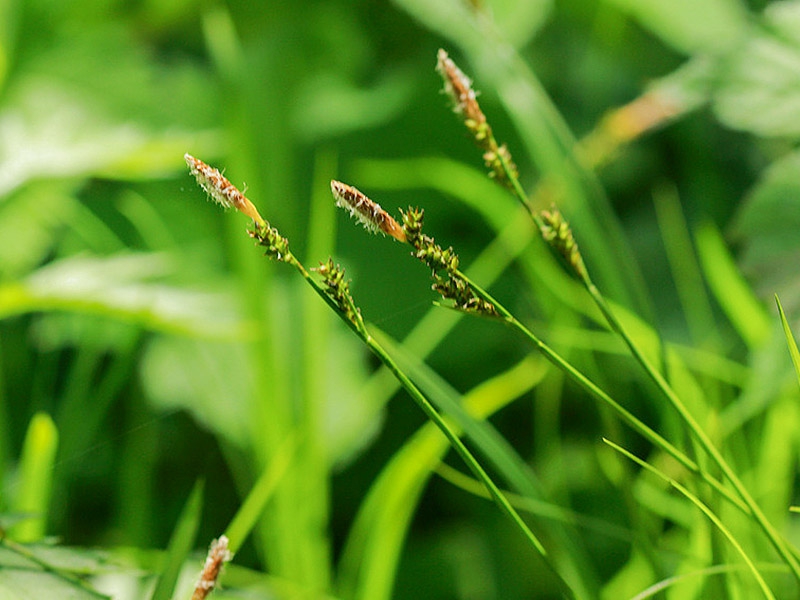
Carex sabynensis is a perennial herb that thrives primarily in wetlands and along stream banks. The following is information regarding the growth characteristics, propagation methods, cultivation methods, garden uses, and major pests and diseases, as well as control methods. Growth Characteristics - Habitat: It grows well in moist soil and can also grow in partial shade or full sun. - Growth Rate: It exhibits a relatively fast growth rate and has well-developed roots. - Flowers: Small flowers bloom from spring to summer, and pollination occurs through gentle breezes. Propagation Methods - Seed Sowing: Seeds are sown in spring or autumn; refrigerating them for 1 to 2 weeks prior to sowing is recommended to increase germination rates. - Root Division: It can be propagated by dividing the roots in spring or autumn. Cultivation Methods - Soil: It prefers well-drained soil, but maintaining a moist environment is important. - Watering: Water thoroughly, and care must be taken to prevent dryness, especially during the summer. - Fertilizer: It is recommended to use organic fertilizer in the spring and autumn. Uses in the Garden - Landscape Enhancement: As Carex scaber adds a natural touch, it is well-suited for pond edges or wetland gardens. - Embankment Protection: Its well-developed roots can help prevent soil erosion. Important Pests and Control Methods - Diseases: It is susceptible to rust and powdery mildew, which are primarily caused by fungi. - Control Methods: Maintain adequate ventilation and use fungicides if disease occurs. - Pests: Pests such as aphids and mites may occur. - Control Methods: Use insecticides appropriately or utilize natural predators of pests. Carex scaber is relatively easy to care for and, provided the right environment is provided, has good reproductive capabilities, making it a good choice for the garden.
Plant Family
Cyperaceae
Height
20~50cm
Colors
White, brown, green
Bloom Period
May~June
Water Needs
commonly
Exposure
semi-shaded area
Freezing Resistance
-30°C
Cheonilsachoe
Carex scabrifolia
Snow sedge
Carex rupestris