English
한국어
English
Español
中文
हिंदी
Home
News
Community
Dictionary
English
한국어
English
Español
中文
हिंदी
View list
layered sedge
Carex remotiuscula
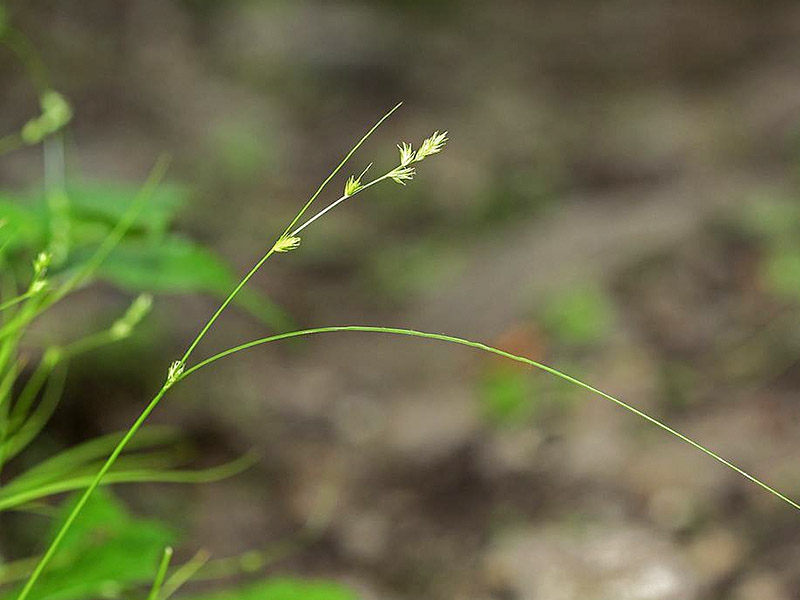
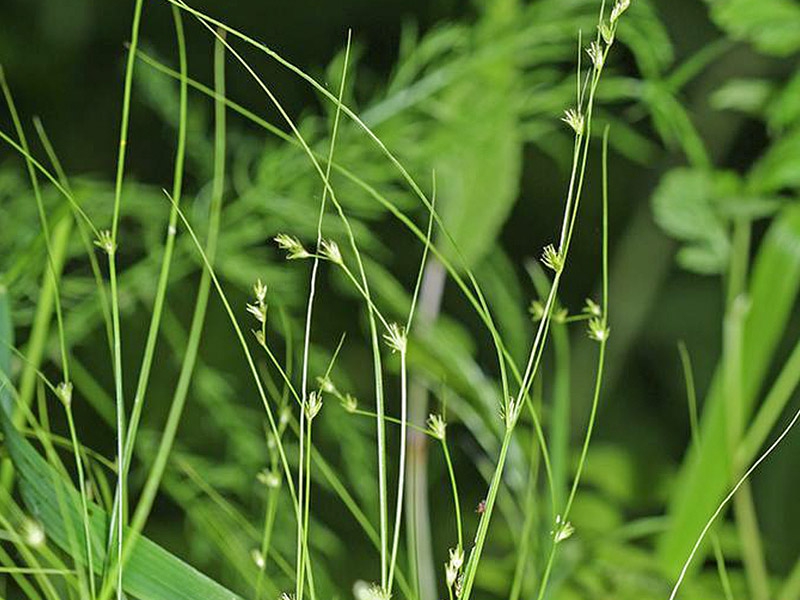
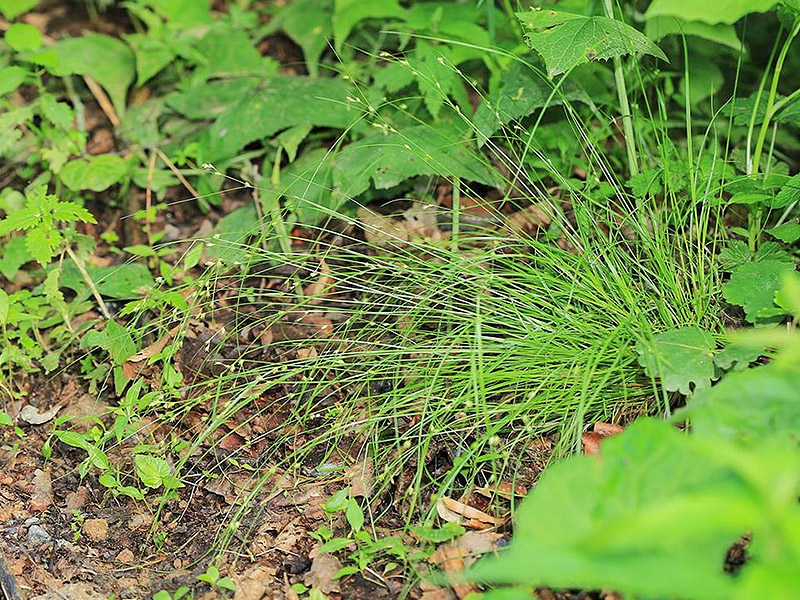
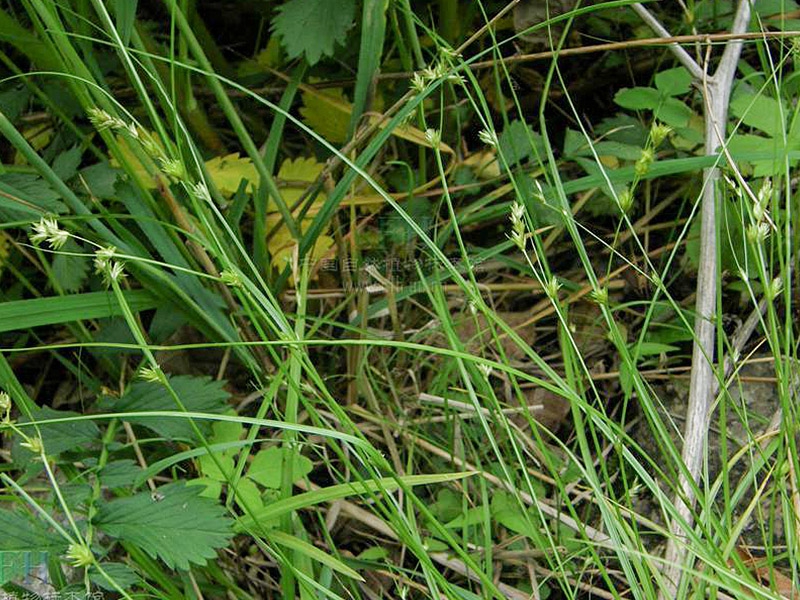
Carex remotiuscula is a perennial plant that grows primarily in wetlands or along water's edge and is native to East Asia, including Korea. Below is information regarding this plant's growth characteristics, propagation methods, cultivation methods, garden uses, and major pests and diseases and control methods. Growth Characteristics - Habitat: It prefers moist environments and thrives in partial shade. It can grow in full sun as well as in areas with some shade. - Soil: It grows well in well-drained soil that is not too dry and prefers soil rich in organic matter. - Growth: It is a medium-sized plant that grows to a height of approximately 30–60 cm. Its leaves are narrow and long, with slightly drooping tips. Propagation Methods - Seeds: It can be propagated by sowing seeds in the spring. It is recommended to stratify the seedlings slightly before sowing to increase germination rates. - Root Division: It is suitable for propagation by dividing root clumps in the spring or autumn. This method is particularly effective for restoring vitality to plants whose growth has slowed. Cultivation Method - Planting: It is ideal to plant in spring or autumn. When planting, select well-draining soil while taking care not to damage the roots. - Watering: It likes moisture, so it should be watered regularly; sufficient watering is required, especially during dry periods. - Fertilizer: General ornamental fertilizers may be used, but excessive fertilization should be avoided. Uses in the Garden - Landscape Element: It provides a natural landscape in gardens creating wetlands and is suitable for use as a boundary plant along waterfronts. - Soil Conservation: Thanks to its shallow and wide-spreading roots, it helps prevent soil erosion. Important Pests and Diseases & Control Methods - Pests and Diseases: Although it is a relatively resistant plant to pests and diseases, leaf mold or root rot may rarely occur. - Control Methods: - Prevention: Ensure good ventilation to prevent excessive moisture. - Treatment: If mold or disease occurs, cut off the affected parts, and use a fungicide if necessary. If pests occur, control them using an appropriate insecticide. Since Carex is relatively easy to maintain, it is a suitable plant for natural gardens or garden designs that emphasize natural habitats.
Plant Family
Cyperaceae
Height
30~60cm
Colors
green
Bloom Period
June~July
Water Needs
well
Exposure
semi-shaded area
Freezing Resistance
-30°C
Root sedge
Carex rhizopoda
Volcanic curly sedge
Carex raddei