English
한국어
English
Español
中文
हिंदी
Home
News
Community
Dictionary
English
한국어
English
Español
中文
हिंदी
View list
sedge
Carex phacota
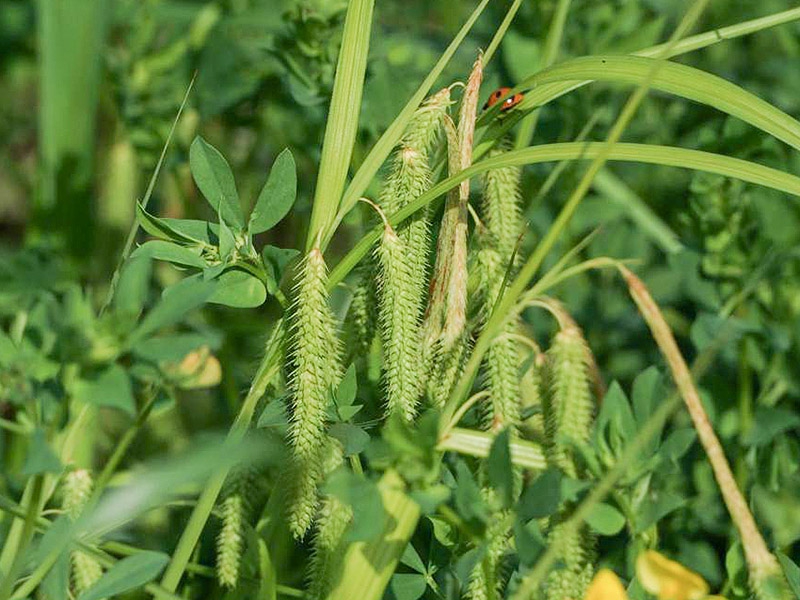
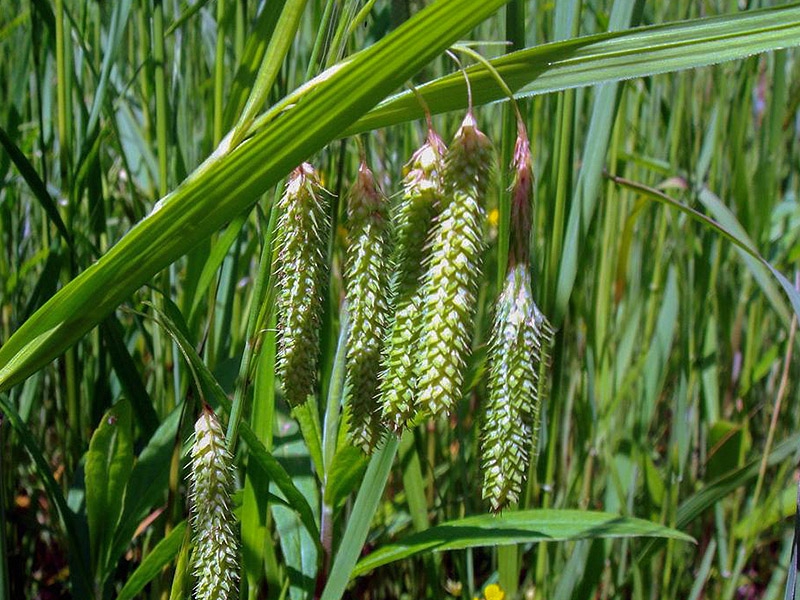
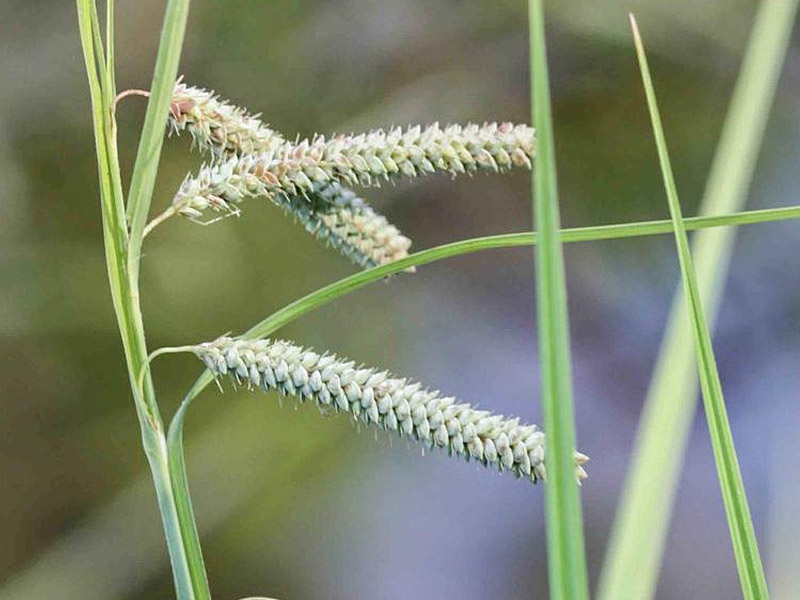
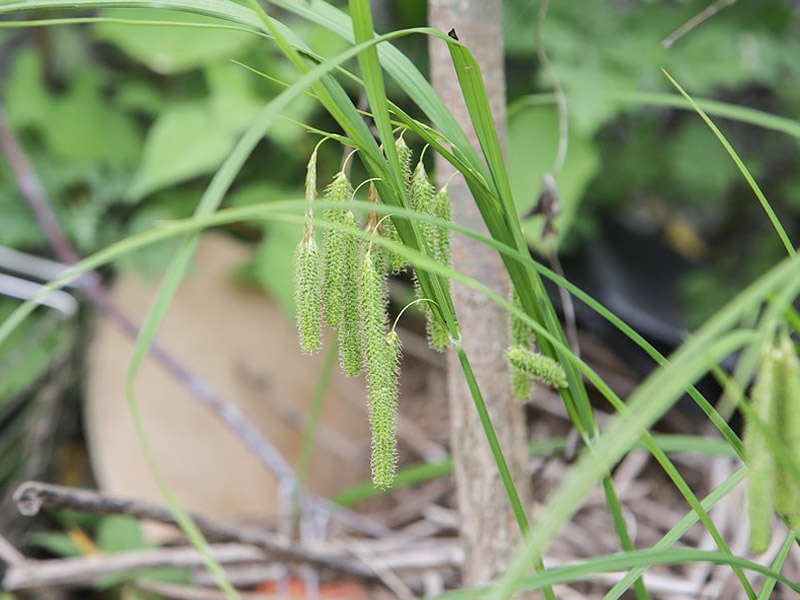
Carex phacota is a perennial herbaceous plant native to East Asia, including Korea. This plant thrives primarily in humid areas and can grow in shady locations. Growth Characteristics Carex phacota grows in clusters, with multiple stems emerging from the roots. The leaves are slender and long, with small serrations along the edges. Flowers bloom between May and July, forming inflorescences composed of clusters of small spikes. Propagation Methods Carex phacota is primarily propagated by seeds and root division. - Seed Propagation: Collect seeds from mature spikes and sow them immediately in the autumn or the following spring. - Root Division: Divide and plant root clumps in early spring or late autumn. Cultivation Methods - Soil: Well-drained soil that retains sufficient moisture is suitable. - Light: It grows well in partial shade, but requires some sunlight. - Watering: Consistent watering is necessary to prevent the plant from drying out. - Fertilizer: Generally, special fertilizers are not required, but suitable organic fertilizers can be applied to promote growth. Uses in the GardenSedge Pacota can be planted in shaded gardens or around artificial ponds to enhance landscaping effects. Since it prefers partial shade, it is also suitable for planting under other trees. Important Pests and Control Methods Sedge Pacota is relatively resistant to pests and diseases, but the following issues should be noted: - Aphids: They can be removed using soapy water at the early stages of infestation or controlled naturally using natural predators. - Fungal Diseases: Fungal diseases may occur in excessively humid conditions. Ensure good ventilation and use appropriate fungicides if necessary. By following these methods, you can grow healthy Sedge Pacota.
Plant Family
Cyperaceae
Height
20~60cm
Colors
White, brown, green
Bloom Period
May
Water Needs
commonly
Exposure
semi-shaded area
Freezing Resistance
-30°C
sedge
Carex phaeothrix
broad-leaved shade sedge
Carex pediformis