English
한국어
English
Español
中文
हिंदी
Home
News
Community
Dictionary
English
한국어
English
Español
中文
हिंदी
View list
Small ear sedge
Carex ochrochlamys
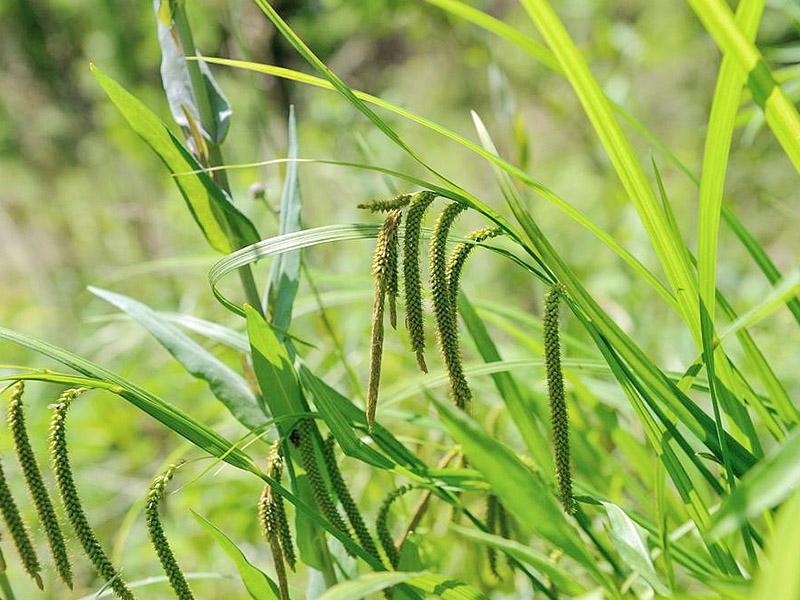
Carex ochrochlamys is a perennial herbaceous plant native to Korea and Japan. It grows primarily in wetlands and is characterized by its distinctive yellow spikes. Below, we describe the plant's growth characteristics, propagation methods, cultivation methods, garden uses, major pests and diseases, and control methods. Growth Characteristics - Environmental Conditions: It thrives in moist soil and can grow in various light conditions ranging from partial shade to full sun. - Growth Rate: Its growth rate is relatively slow, and careful management is required during the early growth stages. - Cold and Drought Tolerance: It is highly cold-tolerant, but growth may be inhibited in prolonged dry environments. Propagation Methods - Seed Propagation: Direct sowing of seeds in spring or autumn is the most common method. Seeds germinate well in moist environments. - Division Propagation: This method involves dividing the roots of a mature plant and is primarily carried out in the spring. Cultivation Methods - Soil: It prefers well-drained soil, but moist, muddy soil that retains moisture is also suitable. - Watering: Maintain proper moisture levels to prevent the roots from drying out. Overwatering can actually be detrimental. - Fertilization: Applying an appropriate amount of organic fertilizer in the spring promotes growth. Uses in Gardens - Border Plant: Its low stature makes it suitable for use as a border plant or ground cover. - Wetland Creation: It can be utilized in artificial wetlands or wetland gardens to enhance ecological diversity. - Ornamental: It is also popular as a garden ornament due to the decorative value of its yellow spikes. Important Pests and Control Methods - Diseases: While generally resistant to diseases, it can contract root rot due to excessive moisture. Prevent this by ensuring thorough drainage management. - Pests: Aphids or scale insects that feed on the leaves may occur. To control these, use natural insecticides or apply chemical control if necessary. Based on this information, you can effectively cultivate and utilize Acroclamis. Please take care of it so that it grows healthily in your garden.
Plant Family
Cyperaceae
Height
20~40cm
Colors
green
Bloom Period
May to August
Water Needs
commonly
Exposure
semi-shaded area
Freezing Resistance
-30°C
Jirisaechoseo
Carex okamotoi
Doraengi sedge
Carex nubigena
var.
albata