English
한국어
English
Español
中文
हिंदी
Home
News
Community
Dictionary
English
한국어
English
Español
中文
हिंदी
View list
Doraengi sedge
Carex nubigena
var.
albata
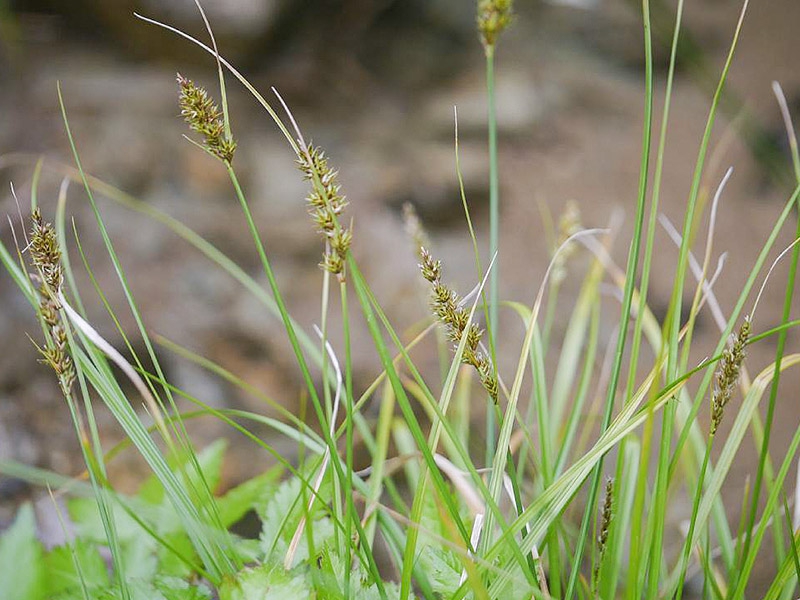
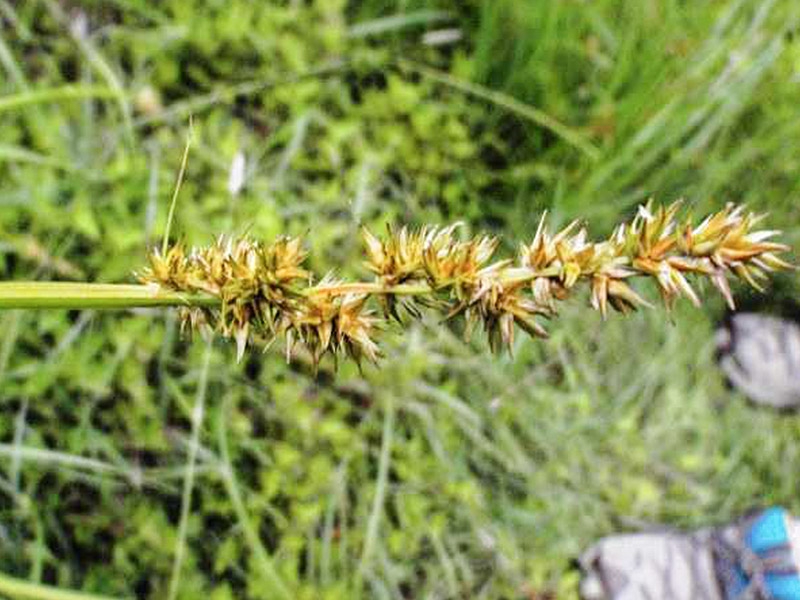
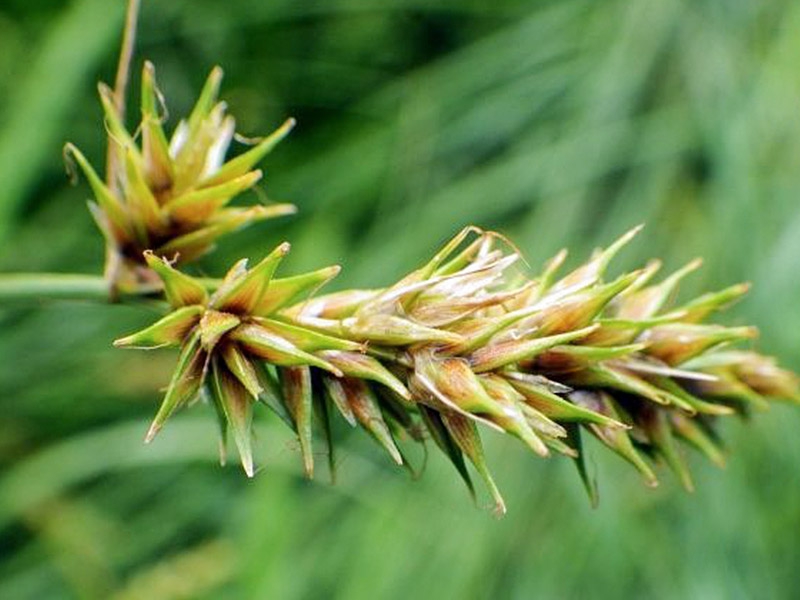
Carex nubigena var. albata is a perennial herbaceous plant native to Asia, including Korea. The following describes the plant's growth characteristics, propagation methods, cultivation practices, garden uses, and major pests and diseases, as well as control methods. - Growth Characteristics: - Carex nubigena var. albata thrives primarily in moist environments. - It can adapt to a wide range of conditions, from partial shade to full sun. - It typically grows to a height of 30–60 cm, and its strong roots and stems allow it to cling stably to the ground. - Propagation Methods: - It is primarily propagated by seeds and root division. - Seeds can be collected in the autumn when they mature and sown immediately, or they can be sown in the spring. - Root division is best performed in the spring or autumn when the plant is not in its optimal growth season. 3. Cultivation Method: - Maintain well-draining soil and moderate moisture. - Be careful not to overwater, but ensure sufficient moisture is provided. - Fertilizer is not necessary except during the initial growth period. - Use in the Garden: - Carex kobomugi is suitable as a ground cover plant. - It can act as a barrier against wind and water, and is utilized for landscape beautification. - Major Pests and Control Methods: - Major pests may include small insects such as aphids. - Control measures should be taken at the early stages of pests through periodic observation. - In addition to biological control methods, chemical control may be considered as needed; for chemical products, always follow the instructions for use. Carex kobomugi is a plant that can create a beautiful landscape in the garden through proper care and environmental management. Try growing it sustainably through appropriate propagation and care methods.
Plant Family
Cyperaceae
Height
30cm
Colors
White, brown, green
Bloom Period
April to June
Water Needs
commonly
Exposure
semi-shaded area
Freezing Resistance
-20°C
Small ear sedge
Carex ochrochlamys
black sedge
Carex norvegica