English
한국어
English
Español
中文
हिंदी
Home
News
Community
Dictionary
English
한국어
English
Español
中文
हिंदी
View list
spotted sedge
Carex misandra
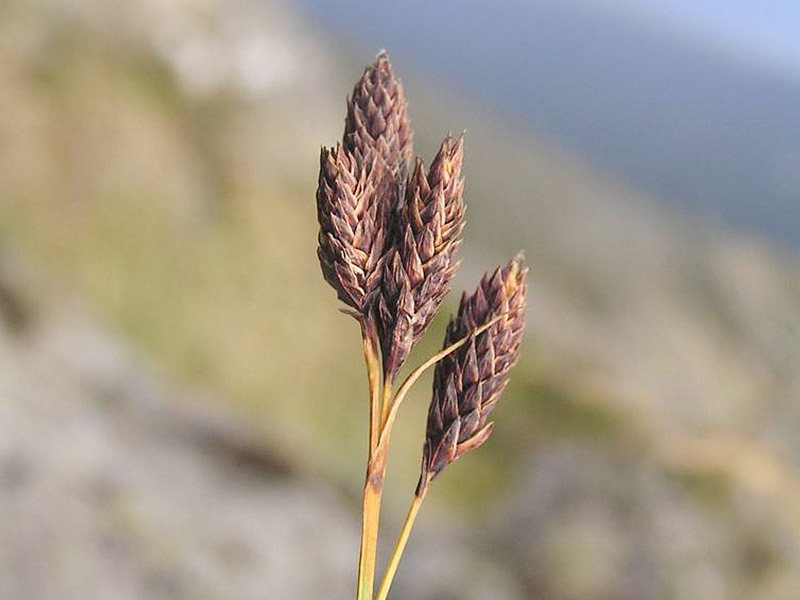
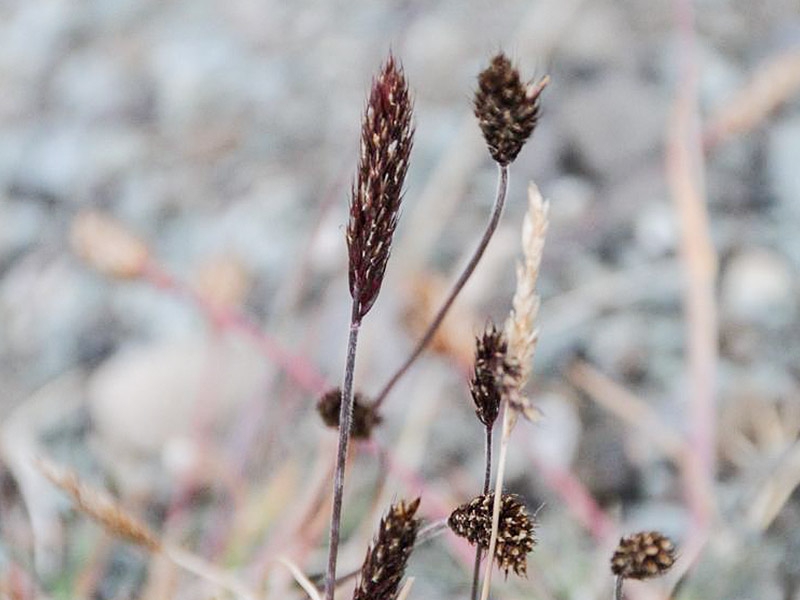
Carex misandra is popular in gardens due to its attractive appearance and unique growth characteristics. Here is some information about it. Growth Characteristics Carex misandra is a plant native primarily to the Arctic and subpolar regions, possessing excellent cold tolerance. It grows as a perennial herb; it is generally small in stature, and its leaves are slender and long, characterized by green and white stripes. Propagation Methods This plant is mainly propagated by seeds and root division. It is common practice to harvest seeds in the autumn and sow them the following spring, while root division can promote the growth of existing plants while simultaneously propagating them. Cultivation Methods Carex misandra is a relatively easy plant to care for. It thrives in moist soil and prefers partial shade or full sun. While it is best grown in well-drained soil, it can also grow well in slightly moist environments. Fertilizer should be applied in an appropriate amount during the spring. Use in the Garden This plant adds vitality to the garden and is particularly suitable for planting along water edges or landscaping borders. It is excellent for creating a natural lawn feel, making it suitable for use in wildflower gardens or ecological gardens. Important Pests and Control Methods Misandra sedge is not particularly susceptible to serious pests. However, common garden pests such as aphids and mites may occur; to prevent and manage this, pests should be removed immediately upon discovery or appropriate insecticides can be applied. Subsequently, periodic pest control and monitoring of the plant's health are necessary. Based on this information, you will be able to effectively manage and utilize Misandra sedge.
Plant Family
Cyperaceae
Height
10~20cm
Colors
White, brown, green
Bloom Period
July~August
Water Needs
commonly
Exposure
semi-shaded area
Freezing Resistance
-30°C
sedge
Carex mitrata
sedge
Carex mira