English
한국어
English
Español
中文
हिंदी
Home
News
Community
Dictionary
English
한국어
English
Español
中文
हिंदी
View list
Jindol black sedge
Carex meyeriana
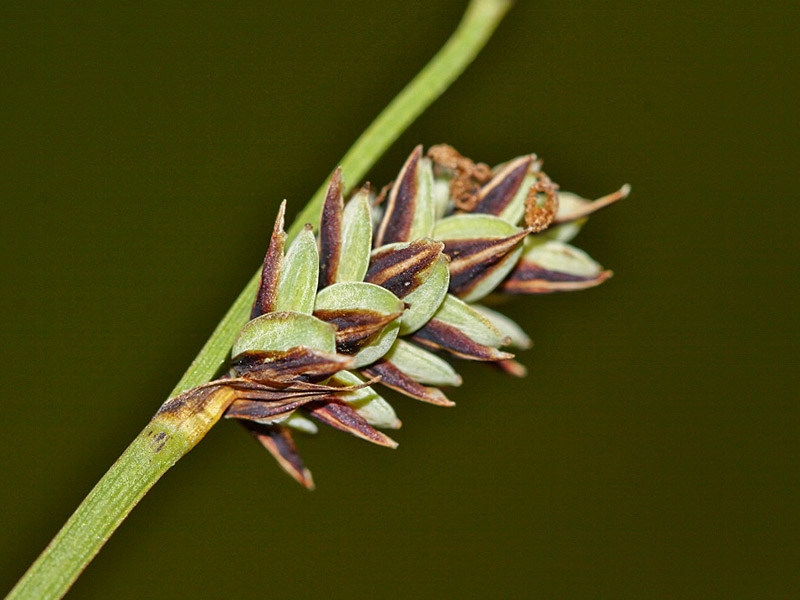
Growth Characteristics, Propagation Methods, Cultivation Methods, Garden Uses, Major Pests and Diseases, and Control Methods of Carex meyeriana Growth CharacteristicsCarex meyeriana is a perennial herb that primarily grows in wetlands or damp areas within forests. It grows to a height of approximately 30–60 cm and is characterized by its thin, long leaves. It thrives in partial shade and prefers well-draining soil. Propagation MethodsPropagation is achieved through seeds or root division. For propagation by seeds, it is common to sow seeds indoors in the spring and transplant them. Root division is performed in the autumn, where mature plants are divided into several pieces for planting. Cultivation MethodsSince Carex meyeriana prefers moisture, it is important to keep the soil from drying out. Use well-draining soil and water frequently to retain moisture. Adding a small amount of general horticultural fertilizer during the growing season (spring to autumn) is beneficial. Uses in the GardenSedge Meyeriana is well-suited for wetlands, waterside gardens, or semi-shade gardens. Planting it alongside other aquatic plants creates a natural landscape. Important Pests and Control Methods Major pests include leaf mold and aphids. Leaf mold can occur when the soil is too wet or ventilation is poor. To prevent this, improve ventilation and use fungicides if necessary. Aphids can be removed by washing with water in the early stages, or using eco-friendly methods such as vinegar or neutral detergents. In severe cases, use appropriate pesticides. With this management, Sedge Meyeriana grows healthily and creates a beautiful landscape.
Plant Family
Cyperaceae
Height
30~50cm
Colors
White, brown, green
Bloom Period
June
Water Needs
commonly
Exposure
semi-shaded area
Freezing Resistance
-30°C
sedge
Carex mira
White ear sedge
Carex metallica