English
한국어
English
Español
中文
हिंदी
Home
News
Community
Dictionary
English
한국어
English
Español
中文
हिंदी
View list
Daetaeksacho
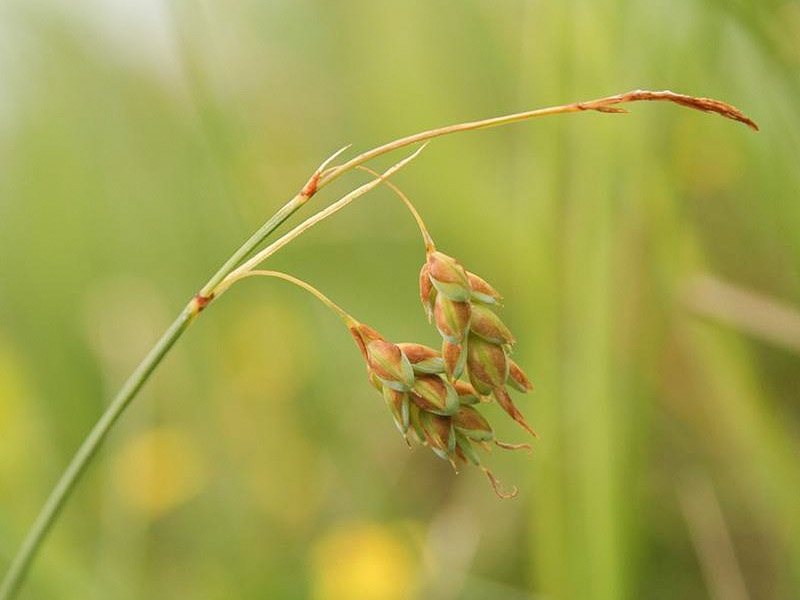
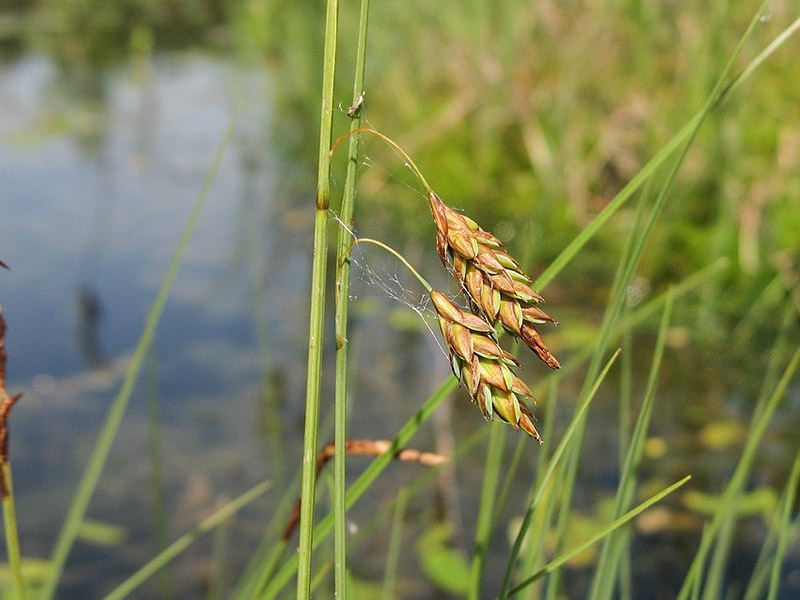
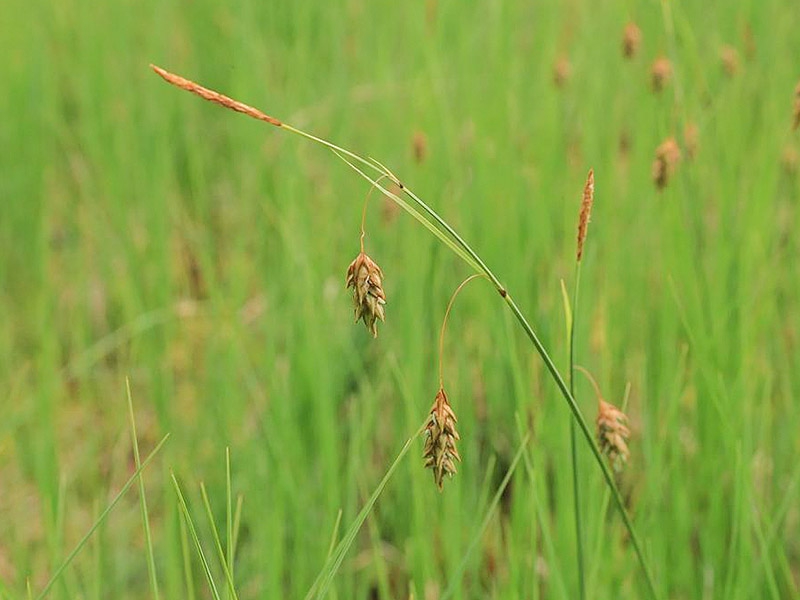
Carex limosa
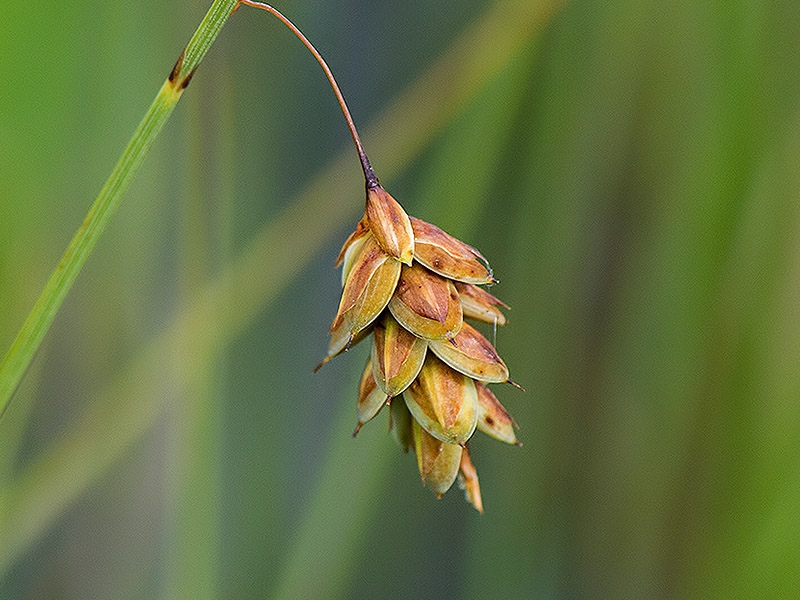
I will explain the growth characteristics, propagation methods, cultivation methods, garden uses, and major pests and control methods of Carex limosa. Growth Characteristics Carex limosa is a perennial plant that thrives in humid environments such as wetlands and swamps. It grows to a height of approximately 30 to 80 cm. The leaves are long and linear with sharp tips. It is native mainly to the boreal and temperate regions of the Northern Hemisphere. Propagation Methods Carex limosa is primarily propagated by seeds and rhizomes. Seeds can be collected after mature flowers have withered and are sown in spring or autumn for germination. The method using rhizomes involves cutting healthy rhizomes from mature plants in the spring and planting them in a new location. Cultivation Methods During cultivation, it requires sufficient moisture and grows well in full sun or partial shade. Use well-draining soil and plant at appropriate intervals to ensure smooth plant growth. General all-purpose fertilizers can be used, and the plant must be watered frequently. Uses in the GardenIt is excellent as a waterside plant in wetland gardens or pots. It is ideal for creating a natural look and can be planted alongside other wetland plants to add ecological diversity. Important Pests and Control Methods Carex japonica is generally resistant to pests and diseases, but root rot can occur in excessive moisture. To prevent this, proper drainage must be maintained. Aphids may occur as pests and can be controlled by physically removing them or using vegetable oils. If necessary, using professional pest control agents is also an option. We hope the above explanation helps you understand and care for Carex japonica.
Plant Family
Cyperaceae
Height
20~45cm
Colors
White, brown, green
Bloom Period
June to August
Water Needs
well
Exposure
semi-shaded area
Freezing Resistance
-30°C
rock sedge
Carex lithophila
Galsaecho
Carex ligulata