English
한국어
English
Español
中文
हिंदी
Home
News
Community
Dictionary
English
한국어
English
Español
中文
हिंदी
View list
hairy sedge
Carex latisquamea
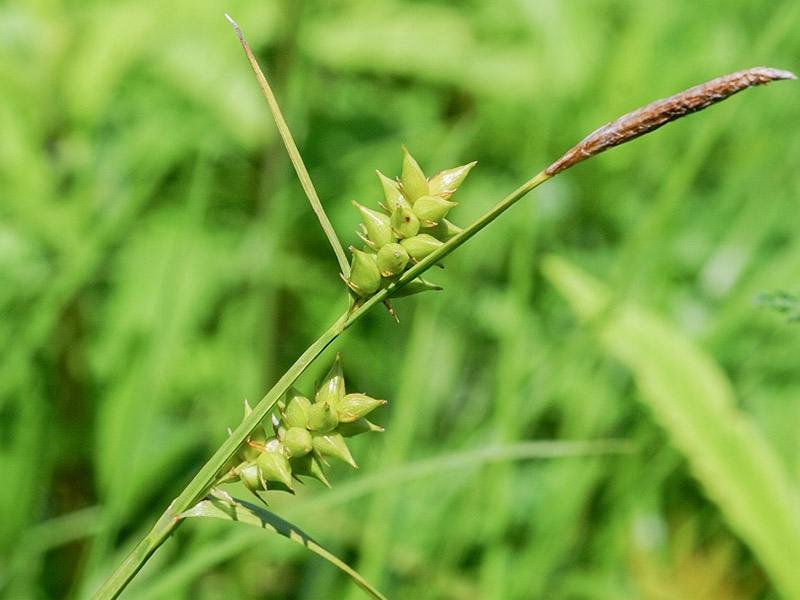
Carex latisquamea is a perennial plant native to East Asia, including Korea, and is primarily found in wetlands or near water. Below is information regarding Carex latisquamea's growth characteristics, propagation methods, cultivation methods, garden uses, and major pests and control methods. Growth Characteristics: - Environmental Requirements: It thrives in sunny locations and prefers high humidity. - Soil: It grows well in well-drained soil, but can also grow in wetlands or areas with slight moisture. - Height: It typically grows to a height of 30 to 70 cm, though size may vary depending on the environment. Propagation Methods: - Seed Propagation: Carex latisquamea is primarily propagated by seeds. It is recommended to sow seeds in spring or autumn. - Division Propagation: Dividing and planting root clumps is also an effective method. Plant the divided root clumps in the growing medium immediately after division. Cultivation Method: - Location Selection: It grows well in sunny locations or partial shade, but a moist environment is more suitable. - Soil Preparation: Prepare soil that drains well and retains moisture. - Watering: After planting, water thoroughly to help the roots establish themselves. Afterward, adjust watering according to soil conditions. - Fertilizer: General fertilizers are sufficient, but it is beneficial to apply additional fertilizer in the spring if growth is poor. Uses in the Garden: - Used for ornamental purposes in landscaping gardens, parks, and waterside areas. - Due to its high ornamental value, it is suitable for waterside gardens or wetland gardens. Major Pests and Control Methods: - Pests and Diseases: It is generally resistant to pests and diseases. However, caution should be exercised regarding root rot caused by excessive moisture. - Control Methods: Improve the soil to ensure good drainage and maintain spacing between plants to allow for air circulation. Use fungicides if necessary. Hairy Carex is relatively easy to care for, making it suitable for beginners to cultivate. When introducing them to the garden, it is important to plant them after carefully considering the habitat and maintenance conditions.
Plant Family
Cyperaceae
Height
40~75cm
Colors
White, brown, green
Bloom Period
June~July
Water Needs
well
Exposure
Sunny
Freezing Resistance
-30°C
thread ear sedge
Carex laxa
Seaside barley grass
Carex laticeps