English
한국어
English
Español
中文
हिंदी
Home
News
Community
Dictionary
English
한국어
English
Español
中文
हिंदी
View list
Berberis
Carex lasiocarpa
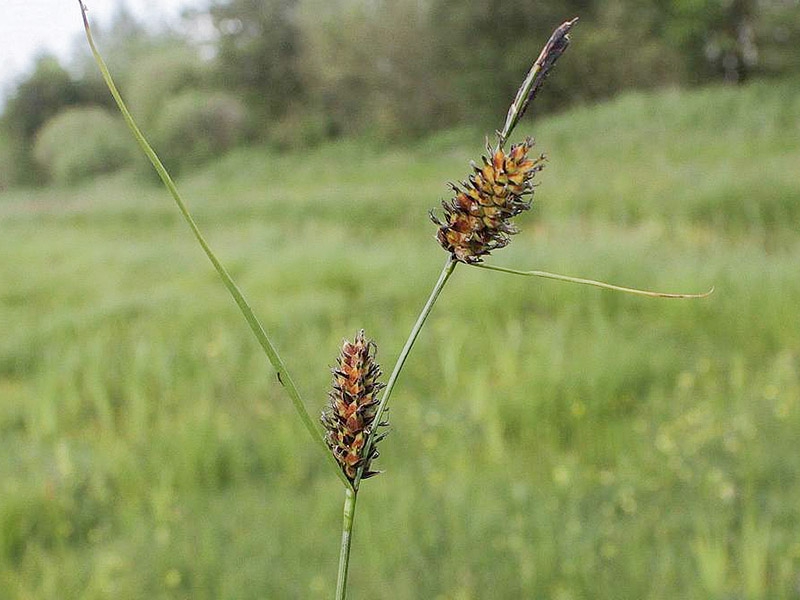
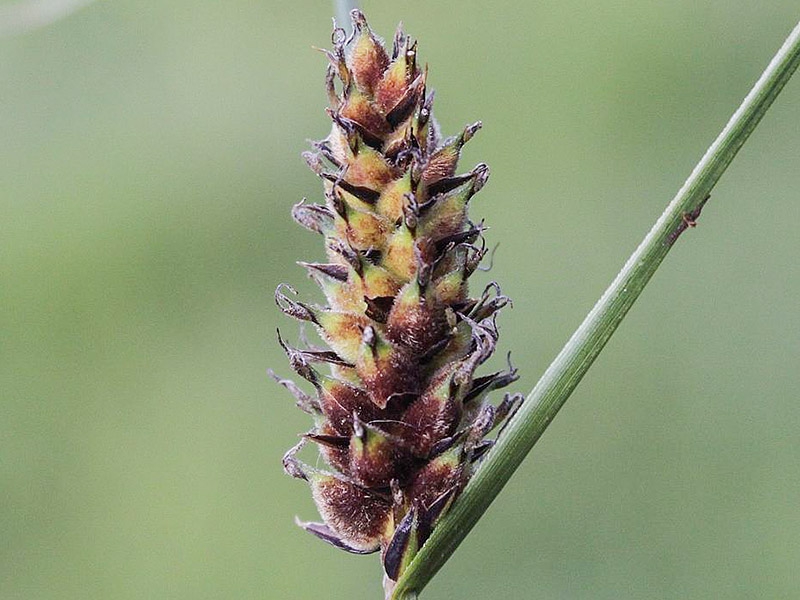
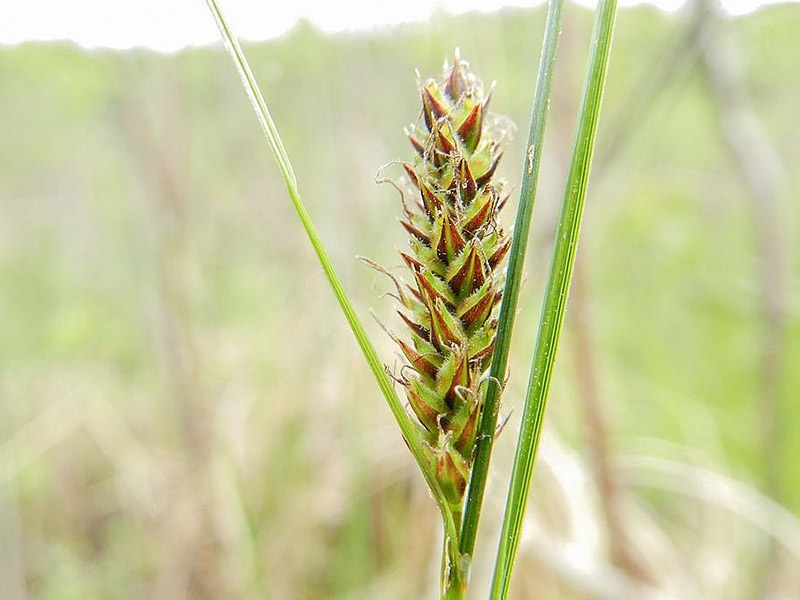
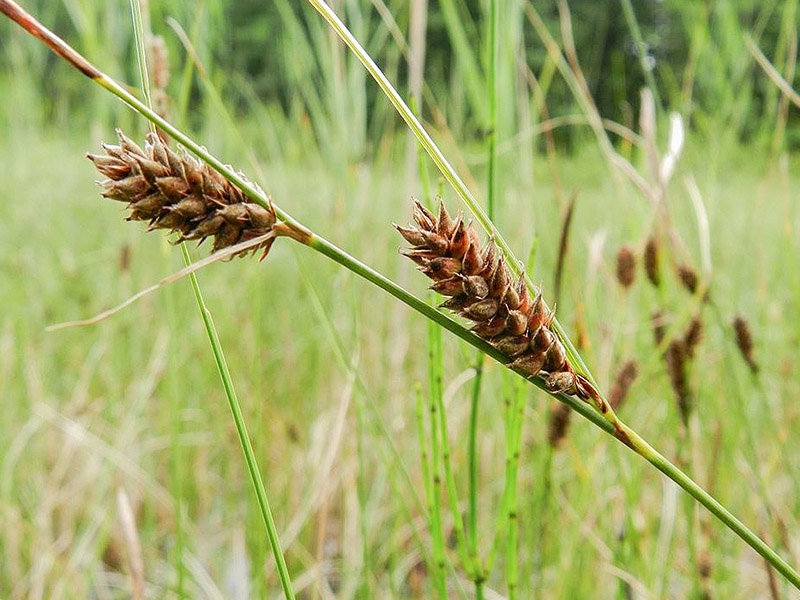
Carex lasiocarpa var. occultans is a plant belonging to the Carexaceae family that primarily grows in wetland environments. Below, we describe the growth characteristics, propagation methods, cultivation methods, garden uses, major pests and diseases, and control methods for Carex lasiocarpa. Growth Characteristics - Habitat: It thrives mainly in wetlands or near water, preferring environments with abundant water or high humidity. - Morphology: It typically grows to a height of 30 to 90 cm, and its leaves are slender, long, and linear. - Growth Temperature: It grows well in temperate climates, and maintaining appropriate humidity and soil moisture is important. Propagation Methods - Seed Propagation: Collect mature seeds in late spring or early summer and sow them immediately. Sowing seeds shallowly and maintaining consistent moisture increases the germination rate. - Division: Well-grown clumps can be propagated by dividing them in spring or autumn. To do this, dig up the plant with the roots intact and divide it into sections of appropriate size. Cultivation Method - Soil: Well-drained soil is preferred, but soil with adequate drainage that retains moisture is ideal. - Location: Choose a sunny location, but avoid strong direct sunlight during the summer. - Watering: Maintain adequate moisture levels at all times, considering the plant's natural habitat. Provide sufficient water, especially during the summer. Use in Gardens - Landscaping: Suitable for natural landscaping in wetland gardens or along pond edges. - Biodiversity: Can enhance biodiversity by providing a habitat for various wetland organisms. Important Pests and Control Methods - Diseases: Generally, there are no specific diseases, but caution is advised as fungal diseases may occur in excessively humid environments. - Pests: Damage from pests is relatively minor, but aphids can be a problem. - Control Methods: Maintaining a suitable environment is important for prevention; if problems arise, it is recommended to use natural insecticides or eco-friendly control methods. Since Carex kobomugi grows in moist environments, proper care and environmental conditions are of the utmost importance. When using it in a garden, you can maximize its characteristics through appropriate site selection and management.
Plant Family
Cyperaceae
Height
70∼100cm
Colors
purple
Bloom Period
June to August
Water Needs
well
Exposure
Sunny
Freezing Resistance
-30°C
Seaside barley grass
Carex laticeps
Shade sedge
Carex lanceolata