English
한국어
English
Español
中文
हिंदी
Home
News
Community
Dictionary
English
한국어
English
Español
中文
हिंदी
View list
sedge
Carex globularis
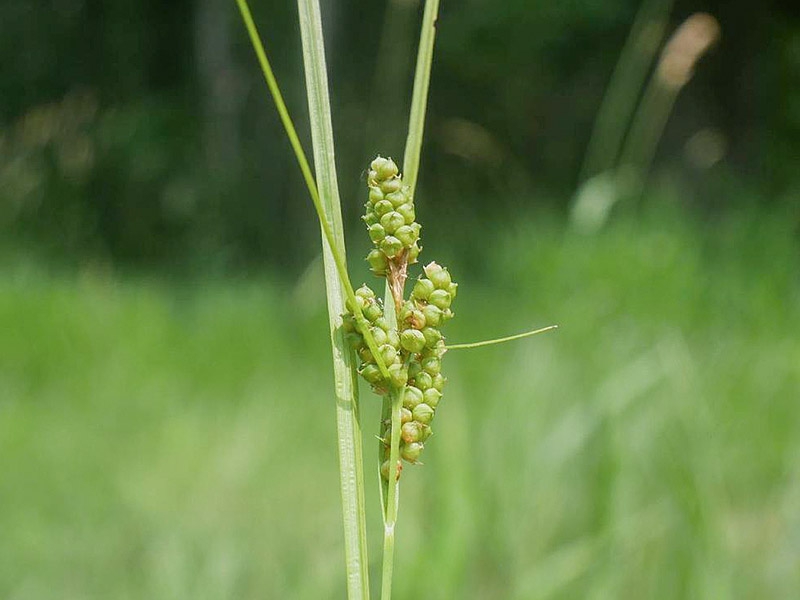
Growth Characteristics of Carex globularis - Ecological Characteristics: Carex globularis is a perennial herbaceous plant that grows primarily in wetlands, watersides, and around forests. It grows to a height of approximately 30–60 cm and forms relatively dense colonies. - Stems and Leaves: It has thin, fine stems, and its leaves are long and narrow, with a color similar to that of the stems. The texture of the leaves is not soft but slightly rough. - Soil and Environment: It thrives in moist soil and prefers a pH of slightly acidic to neutral. While it grows well in partial shade, it can adapt to sunny locations as well. Propagation Methods - Seed Propagation: It is propagated by sowing seeds in spring or autumn. Seeds must be sown directly into moist soil, and germination may take some time. - Root Division: As it is a perennial plant, it can be propagated by root division. This method is most suitable for early spring or early autumn. Cultivation Method - Planting: Plant in soil that drains well yet retains moisture. It is best to plant in early spring or early autumn. - Watering: Since it requires a lot of moisture, it is important to keep the soil consistently moist. Water frequently during the summer. - Fertilization: No special fertilizer is required, but lightly apply diluted liquid fertilizer during the growing season. Uses in the Garden Carex japonica is ideal for wetland gardens or nature gardens. Planting it along water edges or pond margins can create a natural landscape. Additionally, due to the unique shape of its leaves and stems, it is excellent for use as a textural element in landscape design. Important Pests and Control Methods - Diseases: Root rot can occur due to excessive moisture. To prevent this, plant in well-drained soil and regulate watering appropriately. 2. Pests: Although the plant is relatively resistant to pests and diseases, aphids and snails may occur. Aphids can be controlled by washing them off with soapy water or using natural predators, while snails can be removed naturally or treated with natural pesticides. - Management: Pest and disease outbreaks can be reduced through regular monitoring and proper care. Periodically inspect the plant's condition and take immediate action if any abnormal signs are observed.
Plant Family
Cyperaceae
Height
20~50cm
Colors
purple
Bloom Period
June~July
Water Needs
well
Exposure
semi-shaded area
Freezing Resistance
-30°C
Deokjinsacho
Carex gmelini
Sedges glaucaeformis
Carex glaucaeformis